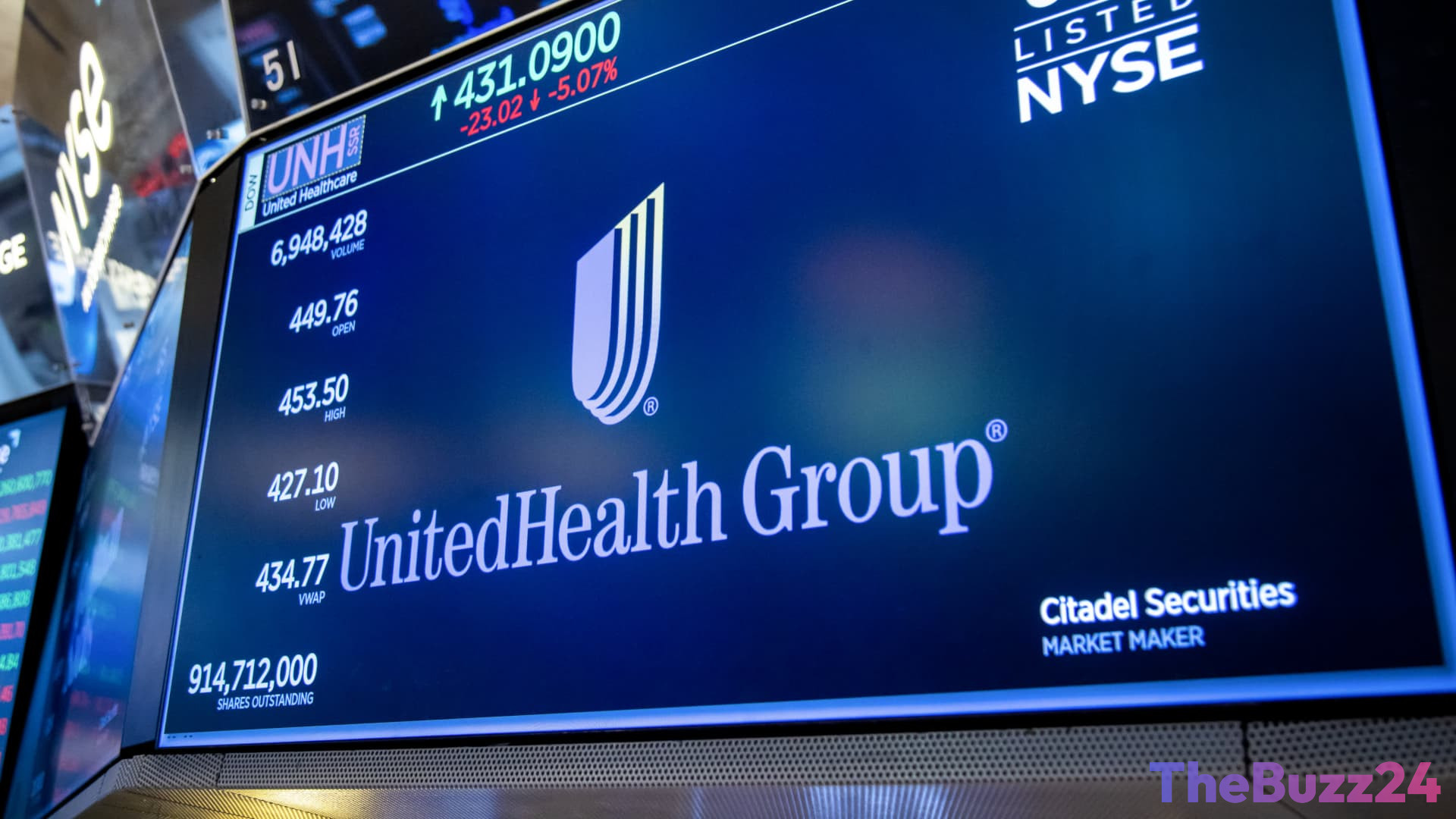
UnitedHealth Group Outperforms Q2 Expectations, Boosts Long-Term Outlook Through AI and Strategic Restructuring
UnitedHealth Group has delivered a stellar second-quarter financial performance, comfortably exceeding market expectations and prompting the healthcare giant to raise its long-term profit forecast. The nation’s largest private insurer now projects its 2026 adjusted earnings to land between $19.50 and $20 per share, a notable increase from its previous guidance of over $18.25 per share. This optimistic outlook comes as the company successfully navigates persistent industry-wide medical cost pressures while maintaining its full-year revenue guidance of more than $439 billion.
To stabilize profit margins and counter rising healthcare expenses, UnitedHealth has embarked on a comprehensive turnaround strategy. This initiative includes shrinking its membership base, exiting unprofitable contracts, and committing $1.5 billion toward artificial intelligence integration. According to Chief Financial Officer Wayne DeVeydt, these AI investments are designed to optimize administrative efficiency and enhance patient care by accelerating prior authorizations and identifying billing fraud, rather than determining care approvals.
The company’s financial metrics reflect the early success of these restructuring efforts. UnitedHealth reported a second-quarter revenue of $112.03 billion, up from $111.62 billion in the same period last year. Net income rose significantly to $5.48 billion, or $6.04 per share, compared to $3.41 billion, or $3.74 per share, a year earlier. Furthermore, the company’s medical benefit ratio—a critical metric measuring medical expenses against collected premiums—improved to 86.7%, beating expectations and signaling stronger profitability.
Despite the strong financial showing, the insurer faces ongoing headwinds, particularly regarding membership retention. Rising healthcare costs have forced premium adjustments, leading to a decline of 525,000 members in the second quarter, with further losses anticipated in Affordable Care Act (ACA) exchanges and Medicare Advantage plans. Additionally, UnitedHealth continues to cooperate with an ongoing Department of Justice investigation into its Medicare billing practices, though executives offered no new updates on the matter.
Key Takeaways
- UnitedHealth Group raised its 2026 adjusted earnings guidance to $19.50–$20 per share following a strong Q2 performance.
- The company is investing $1.5 billion in artificial intelligence to streamline operations, detect fraud, and speed up prior authorizations.
- Despite rising medical costs and a drop of over 500,000 members due to premium hikes, the medical benefit ratio improved to 86.7%.
Editor’s Analysis & Impact
UnitedHealth Group’s impressive second-quarter results highlight a broader shift in the health insurance sector, where companies are prioritizing profitability and operational efficiency over sheer volume. By actively shedding unprofitable contracts and shrinking its membership pool, UnitedHealth is successfully defending its margins against post-pandemic surges in medical care demand and high-cost treatments like GLP-1 weight-loss drugs. The company’s massive $1.5 billion investment in artificial intelligence represents a critical industry trend: leveraging technology to automate administrative hurdles and mitigate fraud. While this strategy has yielded immediate financial rewards—as evidenced by the stock’s positive reaction—the long-term societal implications of rising premiums and declining enrollment in ACA and Medicare Advantage plans could spark regulatory scrutiny and exacerbate healthcare affordability challenges nationwide.
Frequently Asked Questions
Q: Why did UnitedHealth Group raise its earnings outlook?
A: The company raised its outlook due to a strong second-quarter performance driven by successful cost-management strategies, restructuring, and a $1.5 billion investment in AI to streamline operations.
Q: How is UnitedHealth using artificial intelligence?
A: UnitedHealth is utilizing AI to improve administrative efficiency, speed up prior authorization processes, and detect billing fraud, waste, and abuse, though the company emphasizes that AI is not used to make care approval decisions.
Q: Why is UnitedHealth experiencing a decline in membership?
A: Rising healthcare costs have forced the insurer to increase premiums and adjust benefits, leading to affordability pressures that have caused some members to drop out of ACA exchanges and Medicare Advantage plans.
AI Disclosure: This article is based on verified data and official reports. Our Team and AI have cross-referenced every financial detail with primary sources to ensure total accuracy.
More from this Category