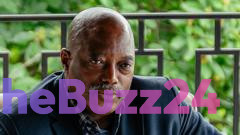
U.S. Imposes Targeted Sanctions on Former Congolese President Joseph Kabila Over Rebel Allegations
The United States government has officially placed former Democratic Republic of Congo President Joseph Kabila under sanctions, citing evidence of his alleged support for the M23 rebel movement. Washington asserts that Kabila has provided financial backing and facilitated military defections, effectively orchestrating operations against the Congolese armed forces from his base abroad. These measures represent a significant escalation in American efforts to stabilize the eastern region of the Democratic Republic of Congo and enforce existing peace frameworks between the nation and its neighbors.
Under the terms of the new sanctions, all of Kabila’s assets held within U.S. jurisdiction are frozen, and American citizens and entities are strictly prohibited from conducting business with him. Financial institutions have been warned that facilitating transactions for the former leader could lead to severe legal and criminal consequences. This policy shift is designed to disrupt the logistical and financial networks fueling the M23 insurgency, which has recently expanded its control over key territories in the mineral-rich eastern provinces.
Kabila, who held power for nearly two decades, has previously faced legal challenges, including a treason conviction delivered in absentia by a Congolese military court last year. While the former president has consistently denied all allegations of wrongdoing, the U.S. administration maintains that his activities are a calculated attempt to undermine the current government and reclaim political authority. Furthermore, these sanctions underscore a broader U.S. interest in securing the integrity of critical mineral supply chains, such as cobalt and coltan, which are essential to the global technology sector and remain vulnerable to regional conflict.
Key Takeaways
- The U.S. has sanctioned former DR Congo President Joseph Kabila for allegedly supporting the M23 rebel group.
- The sanctions freeze all of Kabila's U.S.-based assets and prohibit American entities from engaging in business with him.
- The move aims to curb regional instability and protect critical mineral supply chains vital to the global tech industry.
Editor’s Analysis & Impact
The imposition of sanctions on a former head of state like Joseph Kabila signals a hardening of U.S. foreign policy in Central Africa, moving beyond diplomatic rhetoric toward direct economic intervention. By targeting the financial lifelines of political actors accused of fueling insurgency, the U.S. is attempting to stabilize a region that is not only humanitarianly critical but also strategically vital due to its vast reserves of cobalt and coltan. The future outlook suggests that the U.S. will continue to leverage its financial dominance to influence political outcomes in the DR Congo, potentially pressuring other international stakeholders to follow suit. This development creates a complex environment for multinational corporations operating in the region, as they must now navigate heightened compliance risks and increased scrutiny regarding their supply chain transparency and local partnerships.
Frequently Asked Questions
Q: What are the primary consequences of the sanctions against Joseph Kabila?
A: The sanctions result in the freezing of all of Kabila's assets within the United States and a total ban on American citizens and companies conducting business with him.
Q: Why is the U.S. targeting the former president in relation to the M23 rebel group?
A: The U.S. government alleges that Kabila has provided financial support and encouraged military defections to help the M23 rebel group launch attacks against the Congolese armed forces, thereby destabilizing the region.
AI Disclosure: This article is based on verified data and official reports. Our Team and AI have cross-referenced every financial detail with primary sources to ensure total accuracy.
More from this Category