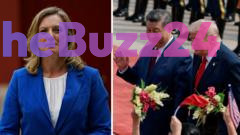
Diplomatic Ambiguity: Questions Mount Over US-China Trade Claims
The recent high-level diplomatic mission to Beijing has concluded with the US administration characterizing the visit as a significant breakthrough for international commerce. During the trip, the President publicly touted the successful negotiation of what were described as “fantastic trade deals” between the world’s two largest economies, suggesting a potential cooling of long-standing bilateral tensions.
Despite the celebratory tone emanating from the administration, the lack of verifiable documentation has sparked widespread skepticism. Neither Washington nor Beijing has provided a formal joint statement, a breakdown of specific business transactions, or any concrete policy shifts that would substantiate the President’s claims. This silence has left the global business community and international analysts struggling to determine whether the meetings resulted in substantive economic progress or were merely symbolic in nature.
The disconnect between the administration’s optimistic rhetoric and the absence of tangible outcomes has created a climate of uncertainty. As global markets look for clarity, the lack of transparency regarding these alleged agreements continues to fuel speculation. Without official confirmation or published details, observers remain cautious about the long-term implications of the visit on the global economic landscape.
Key Takeaways
- The US President claimed to have finalized major trade agreements during a recent diplomatic visit to China.
- Both the US and Chinese governments have failed to release any documentation or specific details to support these claims.
- The lack of transparency has led to significant uncertainty among market analysts and the global business community.
Editor’s Analysis & Impact
The ambiguity surrounding these trade claims highlights a growing trend of ‘diplomacy by rhetoric’ in international relations. By failing to provide specific metrics or signed agreements, the administration risks undermining its own credibility with global markets that rely on transparency to price risk. From an economic standpoint, the lack of detail suggests that the discussions may have been preliminary or focused on symbolic gestures rather than structural trade reform. If these ‘fantastic deals’ do not materialize into tangible policy changes or tariff reductions, the market may view this visit as a missed opportunity to stabilize the volatile US-China economic relationship. Moving forward, the focus will shift to whether any private sector commitments emerge to validate the President’s claims, or if this remains a case of political posturing without economic substance.
Frequently Asked Questions
Q: Were any specific trade deals released following the President's visit to China?
A: No, as of now, neither the US nor Chinese governments have released specific details, documentation, or formal announcements regarding the nature of any finalized trade agreements.
Q: Why is there skepticism regarding the President's claims?
A: Skepticism arises from the significant gap between the President's optimistic public statements and the total absence of concrete evidence or official documentation to support the existence of new trade pacts.
AI Disclosure: This article is based on verified data and official reports. Our Team and AI have cross-referenced every financial detail with primary sources to ensure total accuracy.
More from this Category