US Pursues Technical Talks with Iran Despite Trump Declaring Ceasefire ‘Over’
The United States is set to proceed with technical discussions with Iran in an effort to resolve ongoing hostilities, even as a recently signed ceasefire teeters on the brink of collapse. Tensions have escalated rapidly following a series of military exchanges between the two nations this week. Despite the volatile security situation, American officials maintain that diplomatic channels remain open, emphasizing a continued commitment to finding a viable resolution to the conflict.
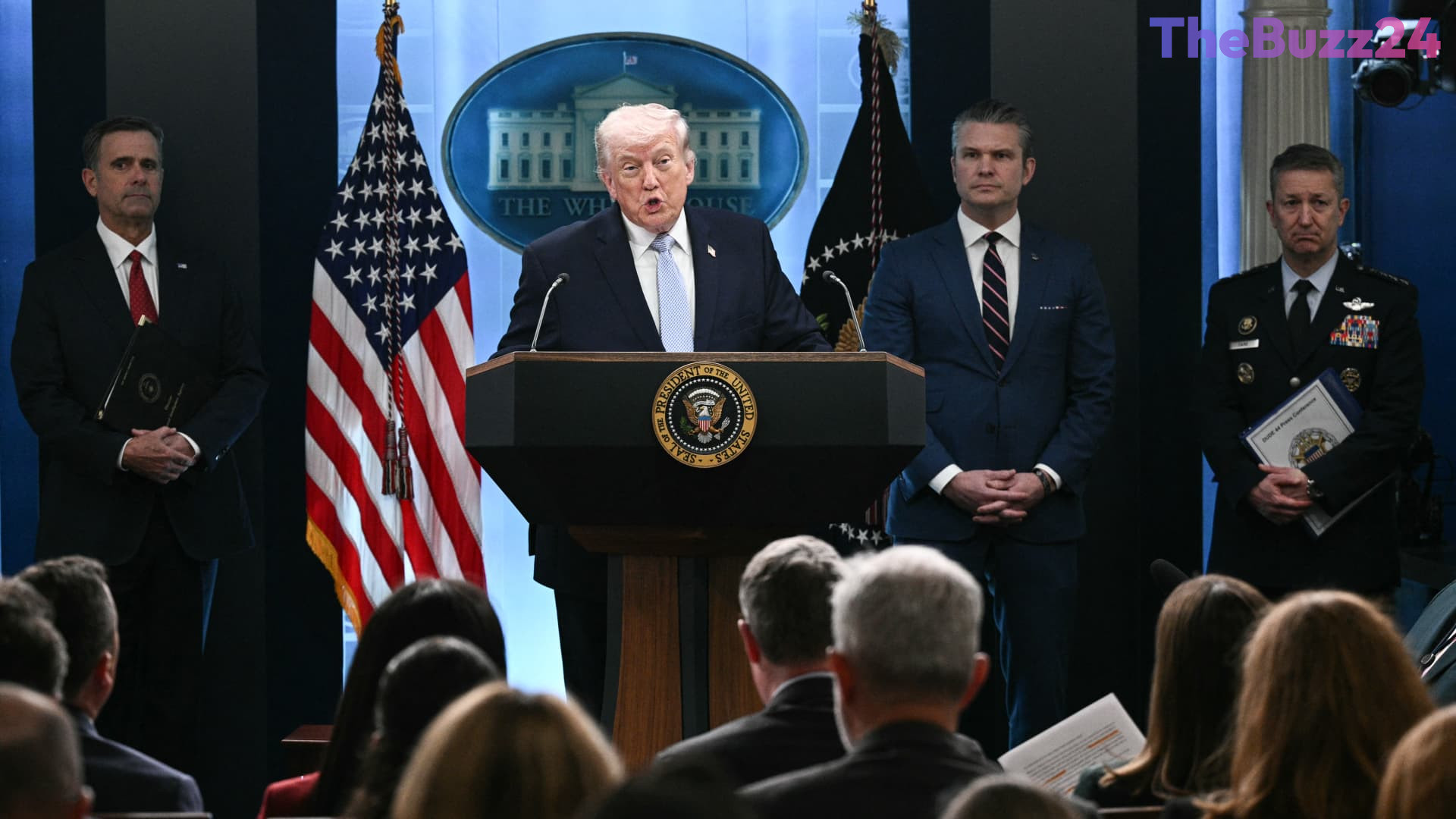
The fragile peace agreement, established just last month, has been severely tested by renewed military actions. President Donald Trump recently declared the ceasefire “over” during a NATO summit in Ankara, Turkey, expressing deep skepticism about Tehran’s reliability. Trump noted that while Iranian representatives had reached out to negotiate a new deal to halt the escalating Middle East hostilities, he questioned whether they would honor any future agreements. The U.S. administration has characterized Iran’s recent targeting of commercial shipping vessels as acts of terrorism, labeling their actions a failure to meet the performance-based terms of the memorandum of understanding (MOU).
Conversely, Iranian officials have accused Washington of failing to uphold its end of the agreement. Tehran pointed to alleged U.S. violations regarding maritime boundaries in the Strait of Hormuz, persistent military threats, and the reinstatement of crippling oil sanctions. The geopolitical friction intensified after the U.S. military launched retaliatory strikes in response to attacks on three commercial vessels transiting the critical Strait of Hormuz. Following these events, the U.S. Treasury Department revoked a key waiver that previously permitted Iran to export oil, sending ripples through global energy markets where Brent crude and West Texas Intermediate experienced minor fluctuations.
Key Takeaways
- The U.S. is maintaining technical talks with Iran despite a series of retaliatory airstrikes and escalating military tensions.
- President Donald Trump declared the month-old ceasefire "over" during a NATO summit, casting doubt on Iran's willingness to honor diplomatic agreements.
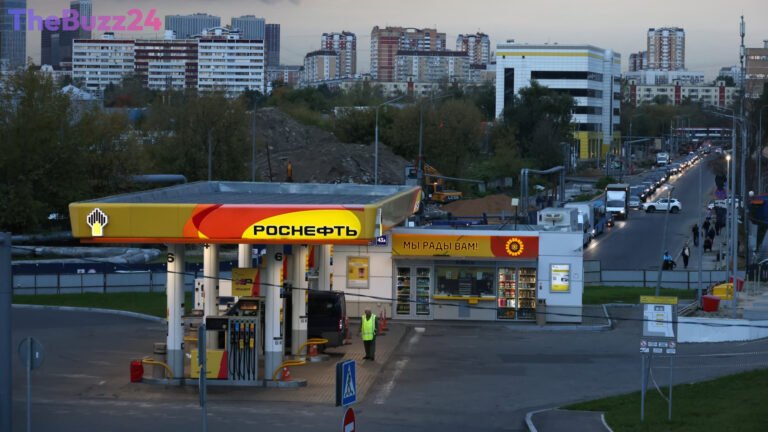
- The conflict has directly impacted global energy markets following U.S. retaliatory strikes in the Strait of Hormuz and the revocation of Iranian oil export waivers.
Editor’s Analysis & Impact
The rapid deterioration of the U.S.-Iran ceasefire highlights the extreme fragility of performance-based diplomatic frameworks in the Middle East. By revoking oil waivers and launching retaliatory strikes in the Strait of Hormuz, the U.S. is leveraging economic and military pressure to force Iran back to the negotiating table on more favorable terms. However, this high-stakes brinkmanship risks disrupting global energy supply chains, as evidenced by the immediate sensitivity of Brent and WTI crude prices. Moving forward, the continuation of “technical talks” suggests that neither side desires a full-scale war, but the path to a stable diplomatic resolution remains highly obstructed. Investors and global markets should brace for continued volatility in oil prices as long as shipping lanes in the Strait of Hormuz remain a primary theater for military posturing.
Frequently Asked Questions
Q: Why did President Trump declare the ceasefire over?
A: President Trump declared the ceasefire over following renewed military strikes and what the U.S. characterized as Iranian attacks on commercial vessels in the Strait of Hormuz, which he labeled acts of terrorism.
Q: What are the main grievances raised by Iran against the U.S.?
A: Iranian officials accuse the U.S. of violating their memorandum of understanding by disregarding maritime adjustments in the Strait of Hormuz, issuing persistent threats of military action, and reinstating oil sanctions.
Q: How has this conflict affected the global energy sector?
A: The escalation led the U.S. Treasury to withdraw oil waivers for Iran, raising concerns over supply disruptions in the Strait of Hormuz and causing minor fluctuations in global crude benchmarks like Brent and WTI.
AI Disclosure: This article is based on verified data and official reports. Our Team and AI have cross-referenced every financial detail with primary sources to ensure total accuracy.
More from this Category