US Strikes Iran in Retaliation for Strait of Hormuz Drone Attacks, Escalating Tensions
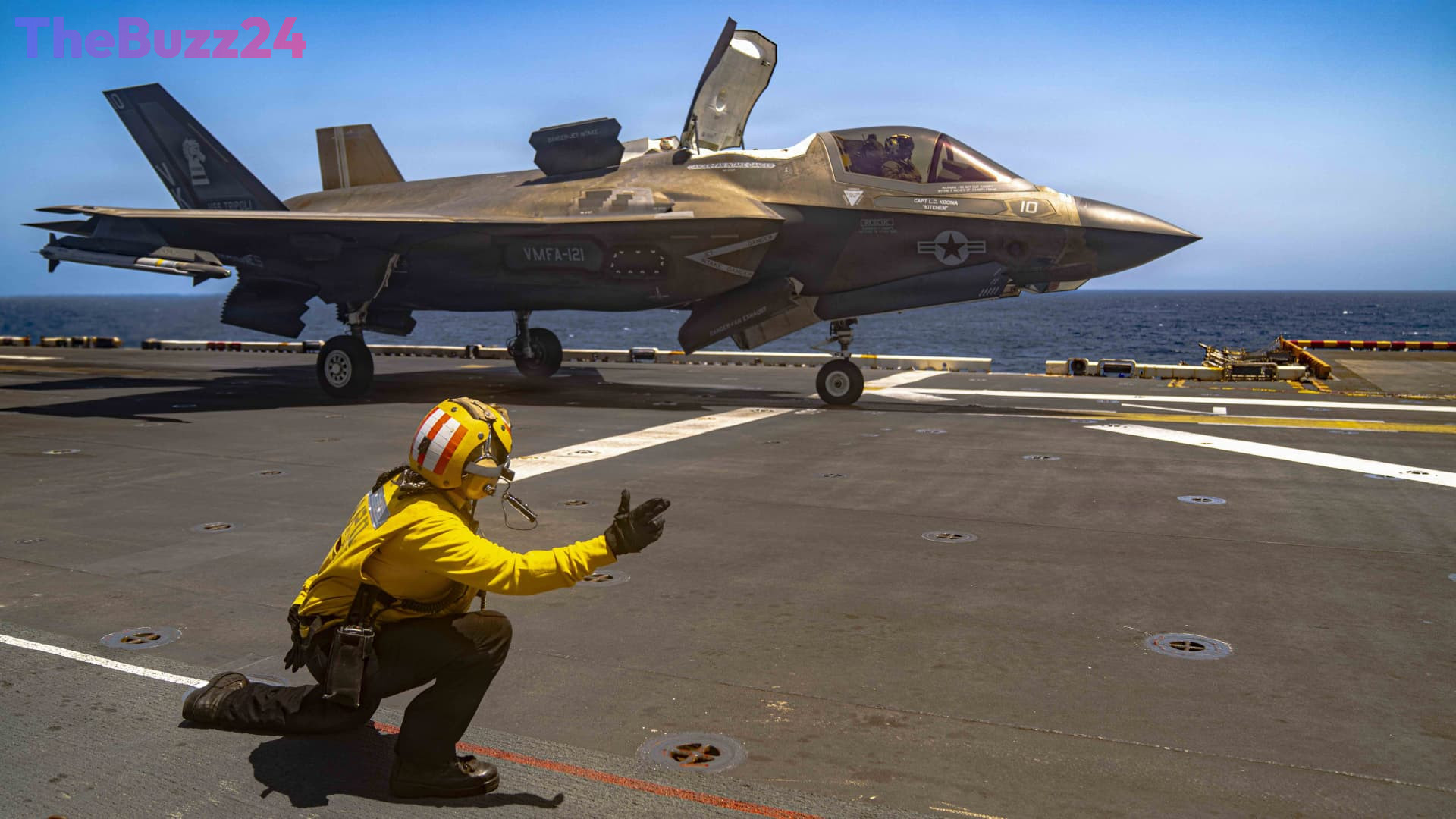
The United States military carried out strikes against Iran on Friday, targeting missile and drone storage facilities and coastal radar sites. This action follows President Donald Trump’s accusation that Iran had violated a recently established ceasefire agreement by launching drone attacks against commercial vessels in the critical Strait of Hormuz.
U.S. Central Command confirmed the strikes, stating that Iran’s actions constituted an “unwarranted aggression against commercial shipping” and undermined freedom of navigation. The incident involved a one-way attack drone launched by Iran that struck the Singapore-flagged cargo ship Ever Lovely near Oman. The vessel was able to continue its journey, but the attack highlighted the ongoing risks in the vital international trade corridor.
President Trump asserted that U.S. forces had intercepted three additional drones also aimed at ships in the strait. Vice President JD Vance echoed the administration’s stance, emphasizing that while the U.S. had honored the ceasefire, any further acts of violence from Iran would be met with a forceful response. The situation underscores the fragile nature of recent diplomatic efforts, including a memorandum of understanding signed just over a week prior, aimed at fostering a permanent peace deal.
Iran’s Islamic Revolutionary Guard Corps (IRGC) has stated that it retaliated against the U.S. strikes, framing the U.S. action as a violation of commitments. The IRGC cited a clause in the memorandum of understanding that they claim grants Iran control over passage arrangements in the Strait of Hormuz. Iranian officials have also criticized the U.S. strikes, accusing the Trump administration of undermining negotiations and demonstrating a lack of commitment to diplomatic processes.
Key Takeaways
- The U.S. military conducted airstrikes in Iran targeting missile, drone, and radar sites.
- The strikes were a direct response to Iran's alleged violation of a ceasefire through drone attacks on commercial shipping in the Strait of Hormuz.
- The incident escalates tensions between the U.S. and Iran, potentially jeopardizing recent diplomatic efforts towards a peace deal.
Editor’s Analysis & Impact
This recent escalation between the U.S. and Iran in the Strait of Hormuz signals a precarious moment for regional stability and global trade. The violation of a ceasefire, even one as recent as a week old, demonstrates the deep-seated mistrust and the volatile nature of the geopolitical landscape. The Strait of Hormuz remains a critical chokepoint for global oil supplies, and any disruption carries significant economic implications worldwide. The U.S. response, while framed as defensive and retaliatory, risks further entrenching animosity and potentially derailing ongoing diplomatic initiatives. The future outlook depends heavily on whether both sides can de-escalate and return to dialogue, or if this incident marks a return to more aggressive posturing.
Frequently Asked Questions
Q: What is the Strait of Hormuz?
A: The Strait of Hormuz is a vital and narrow waterway connecting the Persian Gulf to the Gulf of Oman and the open ocean. It is one of the world's most important oil transit points, with a significant portion of the world's crude oil passing through it daily.
Q: What was the nature of the alleged ceasefire violation?
A: The U.S. accused Iran of violating a ceasefire by launching drone attacks against commercial ships in the Strait of Hormuz. Specifically, a drone struck the Singapore-flagged cargo ship Ever Lovely, and three other drones were reportedly intercepted by U.S. forces.
Q: What is the significance of the Memorandum of Understanding (MOU) mentioned?
A: The MOU, signed between the U.S. and Iran just over a week prior to the strikes, was aimed at developing a permanent peace deal to end the war between the two nations. The recent incident casts doubt on the durability and effectiveness of this diplomatic agreement.
AI Disclosure: This article is based on verified data and official reports. Our Team and AI have cross-referenced every financial detail with primary sources to ensure total accuracy.
More from this Category