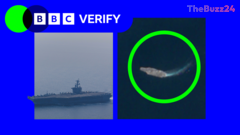
USS Abraham Lincoln Nears End of Prolonged Deployment Amid Welfare Concerns
The USS Abraham Lincoln aircraft carrier is reportedly nearing the end of an exceptionally long deployment in the Middle East, a mission that has extended far beyond its initial schedule and raised concerns about the welfare of its crew. Originally slated to return in May, the vessel has remained at sea for approximately 250 consecutive days, a direct consequence of heightened tensions between the United States and Iran.
Throughout its extended patrol, reports have emerged detailing challenging conditions aboard the warship. The prolonged operational period, which saw the carrier last dock in December of the previous year, has contributed to growing anxieties among those monitoring its mission. The continuous presence in a volatile region underscores the strategic importance of the carrier group in maintaining regional stability and projecting power.
Responding to the extended deployment and the associated concerns, the US Navy has indicated that the USS Abraham Lincoln will soon be returning home. This development comes after months of continuous operation in a critical geopolitical hotspot, highlighting the demanding nature of naval service and the significant strain placed on personnel during such prolonged missions.
Key Takeaways
- The USS Abraham Lincoln's deployment in the Middle East has been extended to approximately 250 days, far beyond its original May return date, due to US-Iran tensions.
- Reports indicate challenging conditions aboard the aircraft carrier, which last docked in December of the previous year.
- The US Navy has announced that the USS Abraham Lincoln will soon be returning home, addressing concerns over the prolonged mission.
Editor’s Analysis & Impact
The prolonged deployment of the USS Abraham Lincoln underscores the immense pressure placed on naval assets and personnel during periods of heightened geopolitical tension. This situation could prompt a reevaluation of deployment durations and crew welfare protocols within the US Navy, potentially influencing future defense policies and resource allocation. While not directly impacting financial markets, the continuous presence of such a significant naval force in the Middle East reflects ongoing strategic priorities and the commitment to regional stability. The incident also serves as a stark reminder of the human cost associated with maintaining a global military presence, potentially sparking broader public discourse on military readiness, personnel support, and the long-term implications of sustained operational demands on service members.
Frequently Asked Questions
Q: Why was the USS Abraham Lincoln's deployment extended?
A: Its deployment was prolonged due to heightened tensions between the United States and Iran, requiring a continuous naval presence in the Middle East.
Q: How long has the USS Abraham Lincoln been at sea?
A: The aircraft carrier has been at sea for approximately 250 consecutive days, having last docked in December of the previous year.
Q: What are the concerns regarding the deployment?
A: Concerns primarily revolve around reports of challenging conditions aboard the vessel and the welfare of its crew due to the exceptionally long and continuous operational period.
AI Disclosure: This article is based on verified data and official reports. Our Team and AI have cross-referenced every financial detail with primary sources to ensure total accuracy.
More from this Category