Vanishing Catch: The Crisis of Illegal Trawling Off Sierra Leone’s Coast
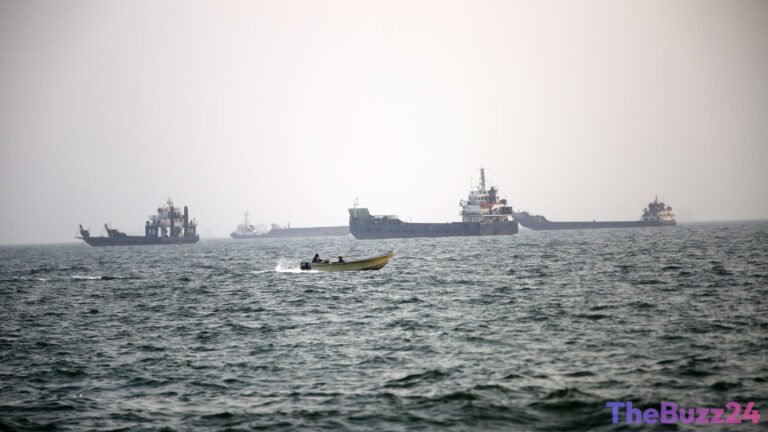
Traditional fishing communities along the coast of Sierra Leone are facing an existential threat as local catches plummet. For generations, fishermen on Sherbo Island and in Tombo harbor have relied on artisanal methods to harvest snapper, mackerel, and sardines. However, these small-scale operators report that their livelihoods are being systematically dismantled by massive, foreign-owned industrial trawlers that frequently violate designated coastal exclusion zones.
Local fishermen describe a pattern of aggressive encroachment, claiming that large vessels enter protected waters under the cover of darkness. Beyond the depletion of fish stocks, there are frequent reports of deliberate net destruction and dangerous collisions between industrial ships and small wooden boats. The Sierra Leone Fishermen’s Union estimates that average catches have declined by approximately 40% in recent years, leaving families struggling to maintain food security and economic stability.
While the Sierra Leone Ministry of Fisheries maintains that tracking technology and regulatory oversight are effectively curbing illegal activity, local advocates remain skeptical. Critics point to a lack of enforcement and alleged corruption as primary barriers to protecting the nation’s maritime resources. With West Africa serving as a global hotspot for unregulated fishing, the economic impact is estimated in the billions, threatening the long-term sustainability of the region’s marine ecosystems.
International observers note that the vast majority of these industrial vessels originate from China, a claim that has sparked significant diplomatic tension. While official representatives for the Chinese fleet maintain that they operate as a responsible fishing nation in accordance with international law, environmental groups argue that insufficient oversight and government subsidies continue to fuel the crisis. As the debate continues, the pressure is mounting for more rigorous international monitoring and supply chain transparency to ensure that the fish reaching global markets is not sourced through illegal and unsustainable practices.
Key Takeaways
- Artisanal fishermen in Sierra Leone report a 40% decline in catches due to the encroachment of large, foreign-owned industrial trawlers.
- Illegal fishing in West African waters is estimated to cost regional nations billions of dollars annually while threatening local food security.
- Environmental advocates argue that current tracking and enforcement measures are insufficient, calling for greater international pressure and supply chain accountability.
Editor’s Analysis & Impact
The situation in Sierra Leone is a microcosm of a broader, systemic failure in global maritime governance. The depletion of coastal resources by industrial fleets is not merely an environmental issue; it is a geopolitical and economic crisis that exacerbates poverty in developing nations. The reliance on distant-water fishing fleets, often supported by state subsidies, creates a ‘tragedy of the commons’ where short-term industrial gain outweighs long-term ecological and social stability. Future outlooks suggest that unless there is a significant shift toward mandatory, tamper-proof vessel tracking and stricter international trade sanctions on illegally caught seafood, the artisanal fishing sector in West Africa faces total collapse. The broader implication is a potential increase in regional instability as food sources vanish and local economies are hollowed out by foreign exploitation.
Frequently Asked Questions
Q: Why are local fishermen unable to stop the illegal trawlers?
A: Local fishermen lack the equipment and legal authority to confront large industrial vessels. They also report that their complaints to government authorities often go unaddressed, citing potential corruption and a lack of enforcement of existing exclusion zones.
Q: What is the role of transponders in this conflict?
A: Transponders are intended to track the location of large vessels to ensure they stay outside of protected coastal zones. However, critics argue that these devices are frequently switched off by operators to avoid detection while fishing illegally.
AI Disclosure: This article is based on verified data and official reports. Our Team and AI have cross-referenced every financial detail with primary sources to ensure total accuracy.
More from this Category