Venezuela Faces Humanitarian Crisis as Earthquake Death Toll Surpasses 900
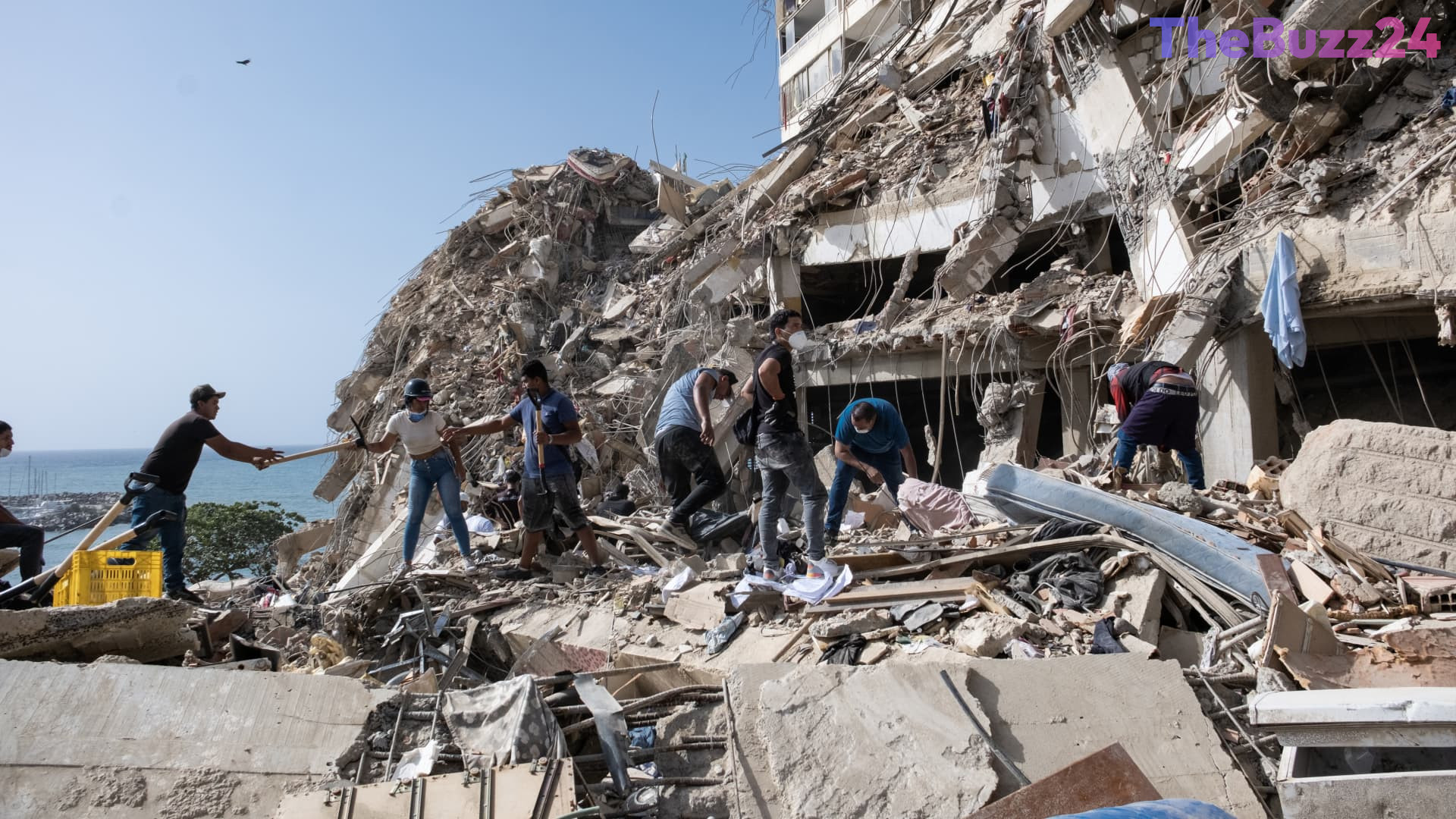
Rescue operations in Venezuela have intensified as the death toll from a pair of devastating earthquakes has climbed to over 900. The twin tremors, measuring 7.2 and 7.5 in magnitude, struck the region on Wednesday, leaving at least 3,360 people injured and hundreds still trapped beneath the rubble. With over 50,000 individuals reported missing, the scale of the disaster has overwhelmed local infrastructure, prompting a desperate search for survivors in cities like La Guaira, where residents are currently relying on manual labor to clear debris.
The humanitarian situation is further complicated by the nation’s fragile state, as the disaster strikes a country already grappling with long-term economic instability. While the government has pledged a major relief deployment, frustration among the local population is mounting due to the slow arrival of heavy machinery and professional rescue equipment. In some areas, the lack of official presence has led to reports of looting, while families struggle to recover the remains of loved ones amidst a lack of forensic support.
International aid is beginning to arrive, with teams from various nations, including El Salvador, utilizing advanced technology such as drones and heat scanners to locate survivors. The United States has pledged $150 million in aid and deployed military assets to assist with logistics and search efforts. Despite the widespread destruction, officials have confirmed that the country’s critical oil infrastructure remains intact, ensuring that fuel distribution will continue to support the ongoing emergency response.
As the search continues, the interim government faces a significant test of its leadership and ability to manage a catastrophe of this magnitude. With the U.S. Geological Survey warning that the final death toll could potentially reach 10,000, the international community is bracing for what may become one of the deadliest seismic events in Latin American history.
Key Takeaways
- The death toll from the twin earthquakes in Venezuela has exceeded 900, with over 3,300 injured and hundreds still trapped.
- International aid, including $150 million from the U.S. and specialized rescue teams from El Salvador, is currently being deployed to assist in recovery efforts.
- Despite the widespread devastation, Venezuela's oil production and infrastructure remain unaffected, according to government officials.
Editor’s Analysis & Impact
The earthquake disaster in Venezuela represents a critical inflection point for the nation’s interim leadership. Beyond the immediate humanitarian tragedy, the event exposes the deep-seated vulnerabilities of a country already suffering from years of economic decline and infrastructure decay. The arrival of international aid, particularly from the United States, signals a potential shift in diplomatic relations, yet the government’s ability to effectively distribute these resources will determine its political stability in the coming months. Economically, while the oil sector remains stable, the broader cost of reconstruction—estimated at $6.7 billion—will place an immense burden on an already impoverished state. The long-term outlook remains grim, as the combination of political uncertainty and the massive scale of the disaster threatens to exacerbate the existing migration crisis and further destabilize the region.
Frequently Asked Questions
Q: How powerful were the earthquakes that struck Venezuela?
A: The two earthquakes measured 7.2 and 7.5 in magnitude, with the latter being the most powerful seismic event recorded in the country in over a century.
Q: Has the earthquake impacted Venezuela's oil production?
A: According to the Oil Minister, the country's oil production and infrastructure have not been significantly affected, and fuel distribution is expected to continue as normal.
AI Disclosure: This article is based on verified data and official reports. Our Team and AI have cross-referenced every financial detail with primary sources to ensure total accuracy.
More from this Category