Venezuela Faces Humanitarian Crisis as Rescue Efforts Struggle Following Devastating Earthquakes
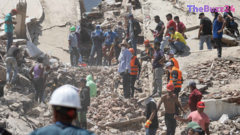
Venezuela is grappling with the aftermath of a catastrophic double earthquake that has left thousands missing and the nation’s infrastructure in ruins. The magnitude 7.2 and 7.5 tremors, which struck the northern state of La Guaira within seconds of each other last Wednesday, have resulted in at least 1,700 confirmed deaths. As the search for survivors enters its second week, residents in hard-hit areas like La Guaira and Catia La Mar are increasingly frustrated by the slow pace of government-led rescue operations, often relying on their own hands and basic tools to sift through the debris of nearly 800 collapsed buildings.
While authorities claim that over 25,000 emergency personnel have been deployed, survivors on the ground report a lack of heavy machinery and professional equipment. Many families, forced to lead their own recovery efforts, have expressed deep resentment toward the state, noting that the absence of timely intervention has likely cost many lives. The situation remains volatile, with a magnitude 4.6 aftershock on Monday further rattling nerves in Caracas and the coastal regions, though no significant new structural damage was immediately reported.
International support is beginning to arrive, with teams from Mexico, El Salvador, and the United States assisting in the search. The United Nations has mobilized significant resources, including the procurement of 10,000 body bags, signaling an expectation that the death toll will continue to rise as recovery efforts transition into a grim search for remains. The United States has pledged $300 million in aid, with naval assets like the USS Fort Lauderdale actively delivering supplies to the coast, while other nations including the Netherlands and China have also committed to providing emergency relief.
Despite the arrival of international aid, the path to recovery for Venezuela appears daunting. Interim President Delcy Rodríguez has announced a new commission to assess structural safety using a color-coded system to determine if displaced residents can return to their homes. However, for many, the immediate reality is a struggle for basic necessities like food, water, and shelter, as the country’s pre-existing economic instability complicates the logistics of disaster management and long-term reconstruction.
Key Takeaways
- Twin earthquakes of magnitude 7.2 and 7.5 have caused widespread destruction in Venezuela, resulting in over 1,700 deaths and thousands of missing persons.
- Local residents are leading much of the rescue effort due to a perceived lack of government equipment and slow deployment of heavy machinery.
- International aid, including a $300 million pledge from the U.S. and support from the UN, is scaling up as the mission shifts from rescue to recovery.
Editor’s Analysis & Impact
The Venezuelan earthquake disaster highlights the extreme vulnerability of nations already suffering from systemic economic and political instability. The reliance on local volunteers and the slow arrival of state-sponsored heavy machinery suggest a breakdown in disaster preparedness and infrastructure resilience. From a market and industry perspective, the destruction of over 2,500 structures will necessitate a massive, long-term construction and engineering effort, though the country’s current economic climate makes private investment unlikely without significant international oversight. The reliance on foreign aid for basic humanitarian needs underscores the state’s inability to manage large-scale crises independently. Moving forward, the ‘color-coded’ safety assessment system will be a critical test for the government’s credibility, as the displacement of thousands will likely exacerbate existing social tensions and migration pressures in the region.
Frequently Asked Questions
Q: How many people have been confirmed dead in the Venezuela earthquakes?
A: As of the latest reports, more than 1,700 people have been confirmed dead following the magnitude 7.2 and 7.5 earthquakes.
Q: What is the current status of international aid in Venezuela?
A: International aid is arriving from several nations and organizations, including the United States, which has pledged $300 million, as well as support from the UN, Mexico, El Salvador, the Netherlands, and China.
AI Disclosure: This article is based on verified data and official reports. Our Team and AI have cross-referenced every financial detail with primary sources to ensure total accuracy.
More from this Category