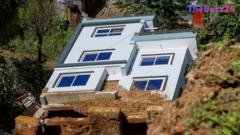
Venezuela Faces Humanitarian Crisis Following Devastating Twin Earthquakes
Venezuela is grappling with a severe humanitarian crisis following a pair of powerful earthquakes that struck the nation on Wednesday. As the death toll continues to climb, the disaster has exposed the fragility of the country’s infrastructure, which has suffered from years of neglect and economic instability. The tremors have left many regions isolated, with communication networks failing and emergency services struggling to reach the most heavily impacted areas.
In the wake of the disaster, interim President Delcy Rodríguez addressed the nation, declaring a state of emergency and tasking the National Guard with leading the rescue efforts. The response marks a significant shift in diplomatic strategy; unlike the previous administration, which largely rejected international assistance from non-allied nations, Rodríguez has actively sought and accepted aid from the United States and several regional partners. This pivot toward international cooperation is viewed as a critical step in addressing the immediate needs of survivors trapped under rubble.
The disaster highlights the long-term consequences of systemic mismanagement within Venezuela’s public sector. Years of nationalization and the prioritization of military influence over civilian expertise have left essential services, such as housing and electrical grids, in a state of disrepair. With a chronic shortage of construction materials and a lack of modern emergency equipment, the current government faces the daunting task of rebuilding while navigating a deeply divided political landscape and the lingering effects of international sanctions.
Despite the political uncertainty that has defined the country since the removal of Nicolás Maduro earlier this year, the current administration is attempting to modernize its approach to disaster management by appointing civilian experts to key infrastructure roles. Whether these changes will be sufficient to mitigate the impact of this tragedy remains to be seen, but the willingness to accept foreign aid offers a glimmer of hope for a population facing profound anguish and uncertainty.
Key Takeaways
- Twin earthquakes have caused widespread destruction in Venezuela, overwhelming the country's already fragile infrastructure.
- Interim President Delcy Rodríguez has declared a state of emergency and is actively coordinating with international partners, including the U.S., for disaster relief.
- The disaster has highlighted the severe impact of years of economic mismanagement and the lack of investment in civil protection and public housing.
Editor’s Analysis & Impact
The Venezuelan earthquake serves as a stress test for the interim government’s ability to pivot from isolationist policies to international cooperation. Economically, the country is ill-equipped to handle a disaster of this magnitude due to the collapse of state-owned industries and a long-term reliance on military-led governance. The decision to accept aid from the U.S. and right-leaning regional governments signals a pragmatic shift that could potentially thaw diplomatic tensions. However, the broader implication is the urgent need for structural reform; the disaster has laid bare that without a transition to civilian-led technical expertise and a revitalization of the construction and utility sectors, Venezuela remains highly vulnerable to future environmental and economic shocks. The success of the recovery effort will likely dictate the political stability of the current administration in the coming months.
Frequently Asked Questions
Q: How is the current Venezuelan government responding to the earthquake differently than the previous administration?
A: The current administration under Delcy Rodríguez is actively accepting international aid from a variety of countries, including the United States, whereas the previous Maduro administration typically restricted aid to ideological allies.
Q: Why is Venezuela's infrastructure considered particularly vulnerable to this earthquake?
A: Years of economic mismanagement, the nationalization of key industries like cement, and a focus on military priorities over civil protection have left public housing and utility infrastructure in a state of severe disrepair.
AI Disclosure: This article is based on verified data and official reports. Our Team and AI have cross-referenced every financial detail with primary sources to ensure total accuracy.
More from this Category