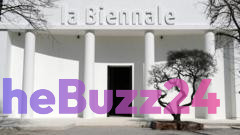
Venice Biennale Jury Resigns in Protest Over Geopolitical Participation
The Venice Biennale is currently grappling with a major leadership crisis as its entire jury has resigned just days before the exhibition’s grand opening. The collective departure serves as a formal protest against the inclusion of nations whose leadership is currently under investigation for alleged crimes against humanity. The jury members emphasized that their resignation is a principled stance against awarding prizes to countries involved in such controversies, specifically highlighting the participation of Russia and Israel.
This year’s edition of the prestigious art event has been defined by intense diplomatic friction and widespread public disapproval. The European Union recently pulled a two-million-euro grant, citing the inclusion of Russian representation as morally untenable in light of the ongoing conflict in Ukraine. While the Biennale’s organizers have attempted to maintain a position of neutrality, arguing that the institution must remain a platform for cultural exchange free from censorship, the Italian government has publicly distanced itself from the event’s management.
Following the mass resignation, the traditional prize-giving ceremony originally slated for May 9 has been officially canceled. In a shift of strategy, organizers have announced that they will implement a new format allowing visitors to vote for their preferred pavilions directly. This development underscores the growing tension between the art world’s commitment to international dialogue and the increasing pressure to take ethical stands on global political conflicts.
Key Takeaways
- The entire Venice Biennale jury resigned in protest over the inclusion of countries facing allegations of crimes against humanity.
- The European Union withdrew a two-million-euro grant due to the inclusion of Russian representation.
- The traditional prize-giving ceremony has been canceled, with organizers shifting to a visitor-led voting system.
Editor’s Analysis & Impact
The resignation of the Venice Biennale jury marks a pivotal moment for international cultural institutions, which are increasingly finding it impossible to remain ‘neutral’ in a polarized geopolitical landscape. By prioritizing institutional autonomy over political alignment, the Biennale has inadvertently triggered a crisis of legitimacy. This event signals a broader trend where cultural events are no longer viewed as separate from the state actions of their participants. Moving forward, major global exhibitions will likely face stricter scrutiny and may be forced to adopt more explicit ethical frameworks for participation. The shift toward visitor-led voting is a reactive measure that attempts to democratize the event, but it may not be enough to quell the reputational damage caused by the jury’s departure and the loss of significant institutional funding.
Frequently Asked Questions
Q: Why did the Venice Biennale jury resign?
A: The jury resigned in protest against the inclusion of nations whose leaders are currently under investigation for alleged crimes against humanity, specifically citing Russia and Israel.
Q: What will happen to the prize-giving ceremony?
A: The traditional prize-giving ceremony has been canceled. Instead, the organizers have introduced a new format that allows exhibition visitors to vote for their favorite pavilions.
AI Disclosure: This article is based on verified data and official reports. Our Team and AI have cross-referenced every financial detail with primary sources to ensure total accuracy.
More from this Category