Veteran Astronaut Mike Fincke Retires After 30-Year NASA Career and Four Space Missions
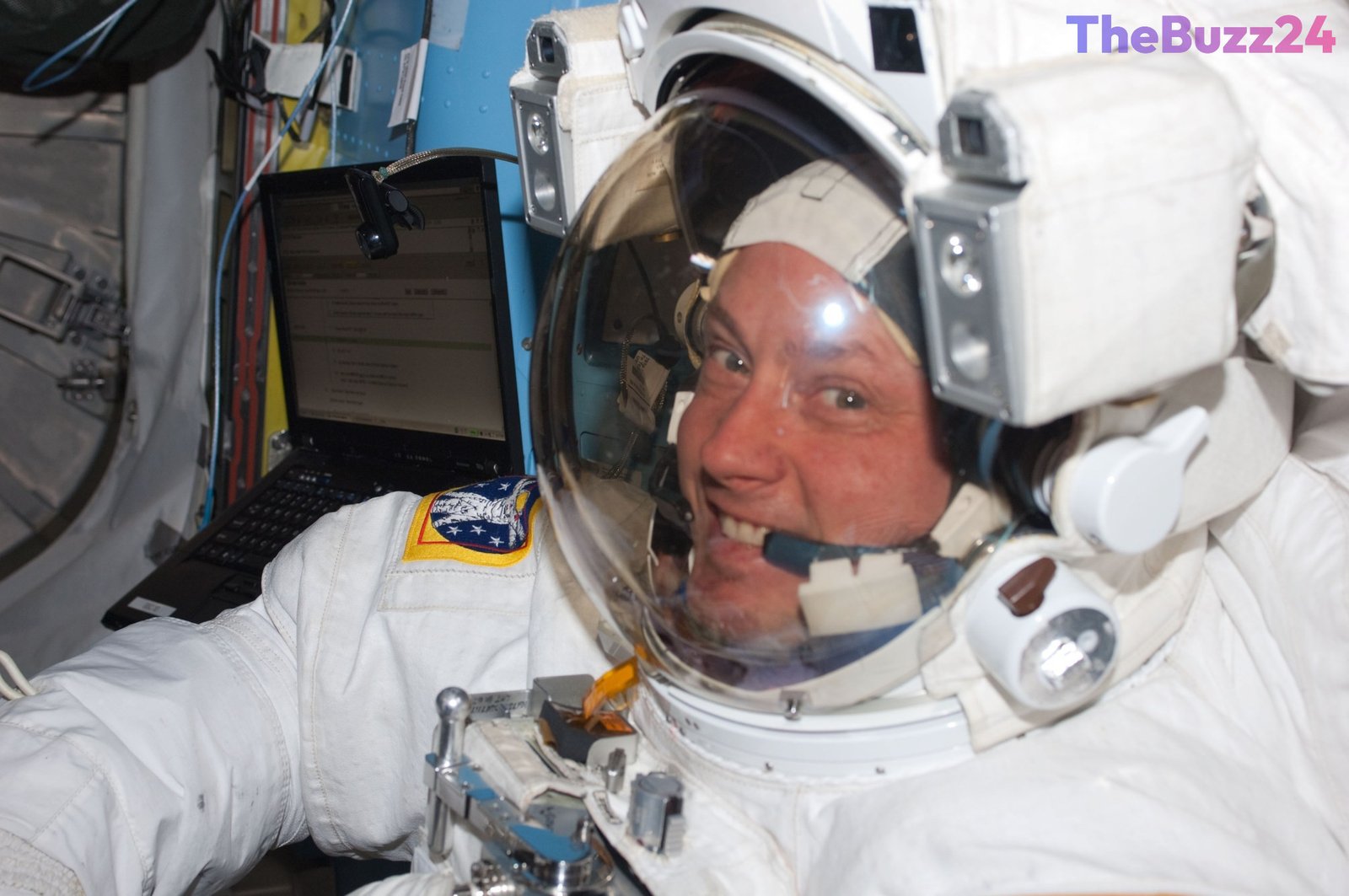
After three decades of pioneering contributions to human spaceflight, veteran astronaut Mike Fincke is officially stepping down from NASA. Over his illustrious 30-year tenure, Fincke accumulated 549 days in space across four separate orbital missions, placing him fourth among all NASA astronauts for total cumulative time in space. His extensive experience includes conducting nine spacewalks that totaled over 48 hours, heavily contributing to the assembly and ongoing maintenance of the International Space Station (ISS).
Fincke joined the astronaut corps in 1996 and went on to fly aboard three distinct generations of human spaceflight vehicles: the Russian Soyuz, NASA’s Space Shuttle, and SpaceX’s Crew Dragon. His orbital journey began in 2004 aboard Soyuz TMA-4, followed by a command assignment on Soyuz TMA-13 in 2008. In 2011, he served as a mission specialist on STS-134, the final flight of Space Shuttle Endeavour, assisting with the installation of the Alpha Magnetic Spectrometer. Most recently, he piloted the SpaceX Crew-11 mission launched in August 2025, serving as commander for ISS Expedition 74 before returning to Earth in early 2026.
Beyond his flight accomplishments, Fincke was instrumental in ground operations, flight testing, and vehicle development. As Chief of the Astronaut Office’s Commercial Crew Branch, he worked directly to integrate crew safety and astronaut operational needs into modern commercial spaceflight platforms, including extensive work with Boeing’s Crew Flight Test program. Prior to joining NASA, Fincke had a distinguished career as a U.S. Air Force colonel and flight test engineer, accumulating more than 2,000 flight hours across 30 different aircraft types.
Reflecting on his departure, Fincke expressed gratitude for his crewmates, international partners, and ground support personnel. He noted that although he is stepping away from the agency, he remains deeply dedicated to space exploration and intends to continue mentoring the next generation of engineers, leaders, and explorers as humanity prepares for future missions to the Moon and Mars.
Key Takeaways
- Mike Fincke has retired from NASA after 30 years of service, having logged 549 days in space across four missions.
- He ranks fourth among NASA astronauts for accumulated time in orbit and completed nine spacewalks totaling over 48 hours.
- Throughout his career, Fincke flew on three generations of spacecraft—Soyuz, Space Shuttle, and SpaceX Dragon—and significantly aided the Commercial Crew Program.
Editor’s Analysis & Impact
Mike Fincke’s retirement represents a major generational transition for NASA as the agency moves from the era of Space Shuttle operations and ISS assembly to the Artemis lunar program and commercial space endeavors. Fincke’s career unique bridges three distinct spacecraft architectures—Soyuz, the Space Shuttle, and commercial platforms like SpaceX Dragon—giving him rare operational insight. His leadership in the Commercial Crew Branch was critical in bridging traditional NASA engineering requirements with private industry agility, helping mature commercial partnerships like SpaceX and Boeing into safe, standardized crew transport options. As NASA prepares for permanent lunar operations and eventual crewed missions to Mars, losing veteran operational knowledge like Fincke’s emphasizes the vital importance of structured knowledge transfer to younger astronaut cohorts.
Frequently Asked Questions
Q: How long did Mike Fincke spend in space during his career?
A: Mike Fincke spent a total of 549 days in space over the course of four missions, making him fourth on NASA's all-time list for cumulative spaceflight time.
Q: Which spacecraft did Mike Fincke fly on?
A: Fincke flew on three different spacecraft types during his 30-year career: the Russian Soyuz, NASA's Space Shuttle Endeavour, and SpaceX's Crew Dragon.
Q: What was Mike Fincke's role in the Commercial Crew Program?
A: He served as Chief of the Astronaut Office’s Commercial Crew Branch, focusing on spacecraft safety, system design integration, and astronaut training for private-sector vehicles built by Boeing and SpaceX.
AI Disclosure: This article is based on verified data and official reports. Our Team and AI have cross-referenced every financial detail with primary sources to ensure total accuracy.
More from this Category