Victory or Necessity? Iran’s Leadership Navigates Divisive US Agreement
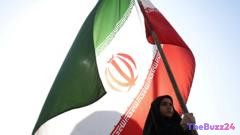
Iran’s leadership is actively portraying an emerging memorandum of understanding (MoU) with the United States not as a concession, but as a strategic triumph born from sustained resistance. This narrative is being pushed amidst a complex domestic landscape marked by severe economic strain following a damaging conflict and vocal opposition from segments of its own support base, who have long denounced any compromise with Washington. Senior figures, including Parliament Speaker Mohammad Bagher Qalibaf and President Masoud Pezeshkian, have lauded the understanding as a significant step towards resolving national issues and fostering a “different world” in the region.
Despite the official rhetoric of victory, the agreement is largely driven by pressing economic realities. Years of sanctions, war, restricted access to oil markets, and rampant inflation have severely impacted the lives of ordinary Iranians. While leaders may cite military leverage, the dire economic situation has undeniably compelled Tehran’s engagement. This move, however, is not without internal critics. Hardline factions within parliament and state-aligned media have voiced strong objections, with some reportedly describing the draft deal as a path to “American colonization” and accusing negotiators of disregarding directives from the supreme leader. The fact that such criticism emanates from within national security institutions underscores the deep divisions surrounding the agreement.
The deal’s path is further complicated by regional dynamics, particularly concerning Israel and Lebanon. While the agreement framework reportedly includes Lebanon and discusses sanctions relief, Israeli Prime Minister Benjamin Netanyahu has affirmed his country’s continued military presence in southern Lebanon, creating potential flashpoints. Former US President Donald Trump has also weighed in, criticizing Israeli actions in Lebanon, which Tehran may leverage to suggest a weakening of US-Israel alignment. For many Iranians, the success of this understanding will not be measured by political slogans but by tangible improvements: an end to conflict, easing prices, and the tangible arrival of sanctions relief. Public sentiment remains divided, with some expressing deep skepticism and others cautiously welcoming a period of respite and stability.
As negotiations are set to commence in Switzerland, critical issues such as the future of Iran’s enriched uranium program, verification mechanisms, and the full scope of sanctions relief remain unresolved. The visible friction between Washington and Israel, while potentially advantageous for Tehran’s narrative, also highlights the deal’s inherent fragility. Any continued Israeli operations in Lebanon could quickly test the agreement’s stability and Iran’s commitment, placing immense pressure on all parties involved. Ultimately, the emerging understanding represents a delicate balancing act, offering a potential “breathing space” but facing numerous internal and external challenges that could easily derail its long-term success.
Key Takeaways
- Iran's leadership is framing an emerging agreement with the US as a strategic victory, despite significant internal dissent and severe economic pressures.
- The deal aims to provide economic relief through sanctions easing and address regional tensions, but faces strong opposition from hardline factions within Iran.
- The agreement's success is contingent on resolving complex issues like nuclear enrichment and verification, and navigating regional complexities involving Israel and Lebanon, with public opinion largely focused on tangible improvements to daily life.
Editor’s Analysis & Impact
The emerging understanding between Iran and the US carries profound implications for regional stability and global energy markets. While a potential easing of sanctions could inject much-needed capital into Iran’s economy, offering opportunities for reconstruction and investment, the deal’s inherent fragility poses significant risks. The internal political divisions within Iran, coupled with the unpredictable actions of regional actors like Israel, could quickly undermine any progress. For the energy sector, a stable agreement might lead to increased Iranian oil exports, potentially impacting global prices. However, continued geopolitical tensions and the risk of renewed conflict could maintain market volatility. The broader implications include a re-evaluation of US foreign policy in the Middle East and a test of diplomatic efficacy in managing complex, long-standing disputes. The future outlook remains uncertain, heavily dependent on the political will of all parties to uphold commitments and de-escalate tensions.
Frequently Asked Questions
Q: What is the core purpose of the emerging agreement between Iran and the US?
A: The emerging memorandum of understanding aims to de-escalate tensions, potentially lead to the easing of sanctions on Iran, and address regional security concerns, including those related to Lebanon.
Q: Why is Iran's leadership presenting the deal as a "victory"?
A: Iran's leadership is framing the agreement as a victory to manage domestic perceptions, asserting that it is a result of their resistance and that the US and Israel failed to achieve their primary objectives against Iran. This narrative helps to counter hardline opposition to any compromise.
Q: What are the main obstacles to the deal's success?
A: Key obstacles include strong opposition from hardline factions within Iran, unresolved critical issues such as the future of Iran's nuclear program and the extent of sanctions relief, and regional complexities, particularly Israel's continued military operations in Lebanon and its stance on the agreement.
AI Disclosure: This article is based on verified data and official reports. Our Team and AI have cross-referenced every financial detail with primary sources to ensure total accuracy.
More from this Category