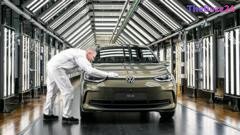
Volkswagen Approves Massive Restructuring Plan to Eliminate 100,000 Jobs by 2030
German automotive giant Volkswagen has greenlit a drastic restructuring initiative that will eliminate an additional 50,000 positions, doubling its workforce reduction target to 100,000 roles by the year 2030. The conglomerate, which encompasses well-known brands such as Audi, Porsche, Skoda, and the core Volkswagen nameplate, initially announced plans in March to scale back by 50,000 workers over the decade before expanding the scope under Chief Executive Oliver Blume.
Driving the unprecedented downsizing is a severe compression of profit margins caused by dwindling sales and intense pressure from foreign competitors, most notably aggressive Chinese electric vehicle manufacturers. Companies like BYD have rapidly captured market share across the UK, European Union, and Southeast Asia by leveraging lower production costs and cutting-edge technological rollouts. Furthermore, Volkswagen has experienced dampened demand in the United States, exacerbated by the introduction of vehicle import tariffs.
To navigate the deepening crisis, Volkswagen intends to concentrate on its most commercially viable vehicle lines while streamlining manufacturing volume per model to drive down overhead expenses. The sprawling overhaul also casts uncertainty over several domestic production sites, including Emden, Zwickau, Hanover, and Neckarsulm, where facility capacity currently outpaces market demand. Leadership is actively evaluating alternative functions for these industrial plants as part of the largest corporate restructuring in the manufacturer’s nearly ninety-year history.
Key Takeaways
- Volkswagen has expanded its total planned job cuts to 100,000 positions globally by the year 2030.
- The aggressive restructuring comes in response to falling profits, slowing sales in China and the US, and fierce competition from Chinese automotive brands.
- The carmaker is reviewing production capacity at major German manufacturing facilities, including Emden, Zwickau, Hanover, and Neckarsulm.
Editor’s Analysis & Impact
Volkswagen’s decision to double its job-cutting target highlights the severe structural pressures facing legacy European automakers. As the global automotive industry undergoes a rapid transition toward electrification and digital integration, heritage brands are struggling to maintain profitability against nimble, low-cost Asian competitors. This crisis is not isolated to Volkswagen; it signals a broader reckoning for Germany’s industrial core. Moving forward, the success of Volkswagen’s turnaround will hinge on its ability to accelerate software development, optimize supply chains, and right-size its manufacturing footprint without completely alienating its powerful labor unions. If legacy giants fail to adapt quickly, this restructuring may mark just the beginning of a larger wave of consolidation and contraction across Europe’s manufacturing sector.
Frequently Asked Questions
Q: How many total jobs is Volkswagen planning to cut by 2030?
A: Volkswagen plans to cut a total of 100,000 roles globally by 2030, which includes a newly approved 50,000 additional job reductions.
Q: What are the primary factors driving Volkswagen's restructuring?
A: The restructuring is driven by falling profits, declining sales in key markets like China and the US, and fierce competition from low-cost Chinese automakers.
Q: Which Volkswagen manufacturing plants are facing potential changes?
A: The carmaker is evaluating alternative uses and production capacities for its plants in Emden, Zwickau, Hanover, and Neckarsulm.
AI Disclosure: This article is based on verified data and official reports. Our Team and AI have cross-referenced every financial detail with primary sources to ensure total accuracy.
More from this Category