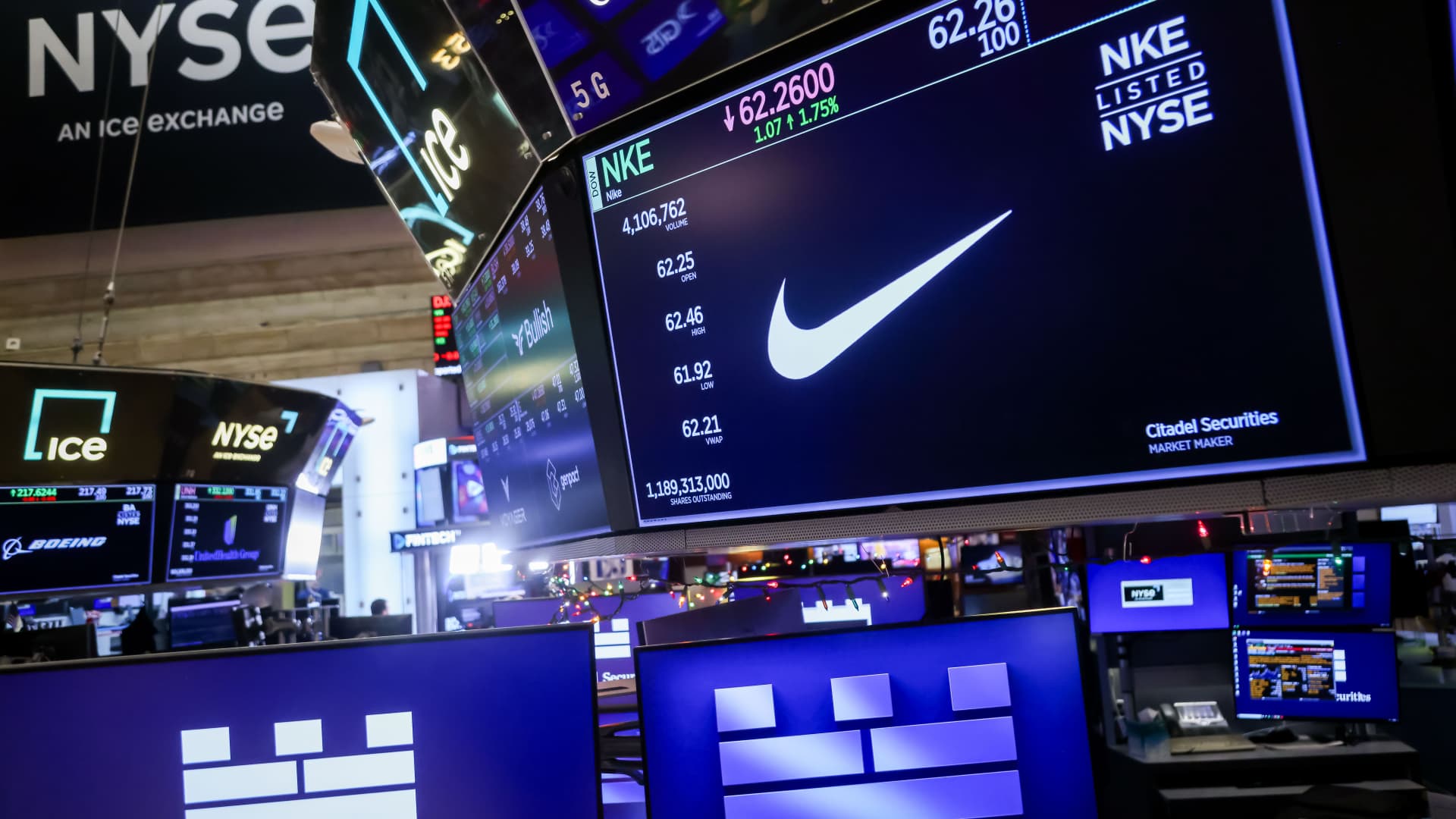
Nike Faces Investor Backlash as Turnaround Efforts Stall and Sales Outlook Dims
Nike shares experienced a significant downturn, plummeting more than 15% following the company’s latest fiscal earnings report. While the athletic apparel giant managed to surpass profit expectations, the results failed to soothe investor anxiety regarding the pace of CEO Elliott Hill’s turnaround strategy. Market participants are growing increasingly restless as the company navigates a complex recovery period that Hill admits is taking longer than originally projected.
The company’s forward-looking guidance has further dampened market sentiment. CFO Matt Friend announced a projected sales decline of 2% to 4% for the upcoming quarter, a stark contrast to previous analyst expectations of growth. A major point of concern is the Chinese market, where sales are expected to drop by 20%. Strategic efforts to refine the product mix and prioritize full-price sales in the region are expected to weigh on revenue growth through fiscal 2027.
Operational challenges are compounded by a seven-quarter streak of declining gross margins. Management highlighted that global macroeconomic volatility, including rising oil prices and geopolitical instability in the Middle East, could continue to inflate input costs and disrupt consumer demand. While executives are targeting fiscal 2027 for a potential margin recovery, the timeline remains speculative, leading to a wave of downgrades from major financial institutions that have expressed skepticism over the company’s near-term growth prospects.
Key Takeaways
- Nike shares dropped over 15% as investors reacted negatively to a prolonged turnaround timeline and weak sales guidance.
- The company expects a 2% to 4% sales decline in the current quarter, with a significant 20% drop anticipated in the Chinese market.
- Gross margins have declined for seven consecutive quarters, with management citing global economic instability as a persistent headwind.
Editor’s Analysis & Impact
Nike is currently navigating a ‘perfect storm’ of internal restructuring and external macroeconomic pressures. The market’s aggressive reaction underscores a loss of confidence in the company’s ability to execute a swift pivot in a highly competitive athletic retail landscape. By pushing the recovery timeline into 2027, Nike has effectively entered a ‘show me’ phase where investors are no longer willing to trade on potential, but rather on tangible evidence of margin expansion and revenue growth. The heavy reliance on the Chinese market, which is currently underperforming, adds a layer of geopolitical risk that is difficult to hedge. Moving forward, Nike must balance the need for brand elevation through full-price sales with the reality of a price-sensitive consumer base, a challenge that will likely keep the stock under pressure until clear, consistent growth metrics emerge.
Frequently Asked Questions
Q: Why did Nike's stock price fall despite beating profit expectations?
A: The stock fell because investors were more focused on the company's weak future sales guidance and the extended timeline for its turnaround strategy rather than past profit performance.
Q: What is the primary challenge Nike faces in the Chinese market?
A: Nike is currently struggling with a significant sales decline in China, which it is attempting to address by streamlining its product range and focusing on full-price sales, a process that is expected to suppress revenue growth for several years.
AI Disclosure: This article is based on verified data and official reports. Our Team and AI have cross-referenced every financial detail with primary sources to ensure total accuracy.
More from this Category