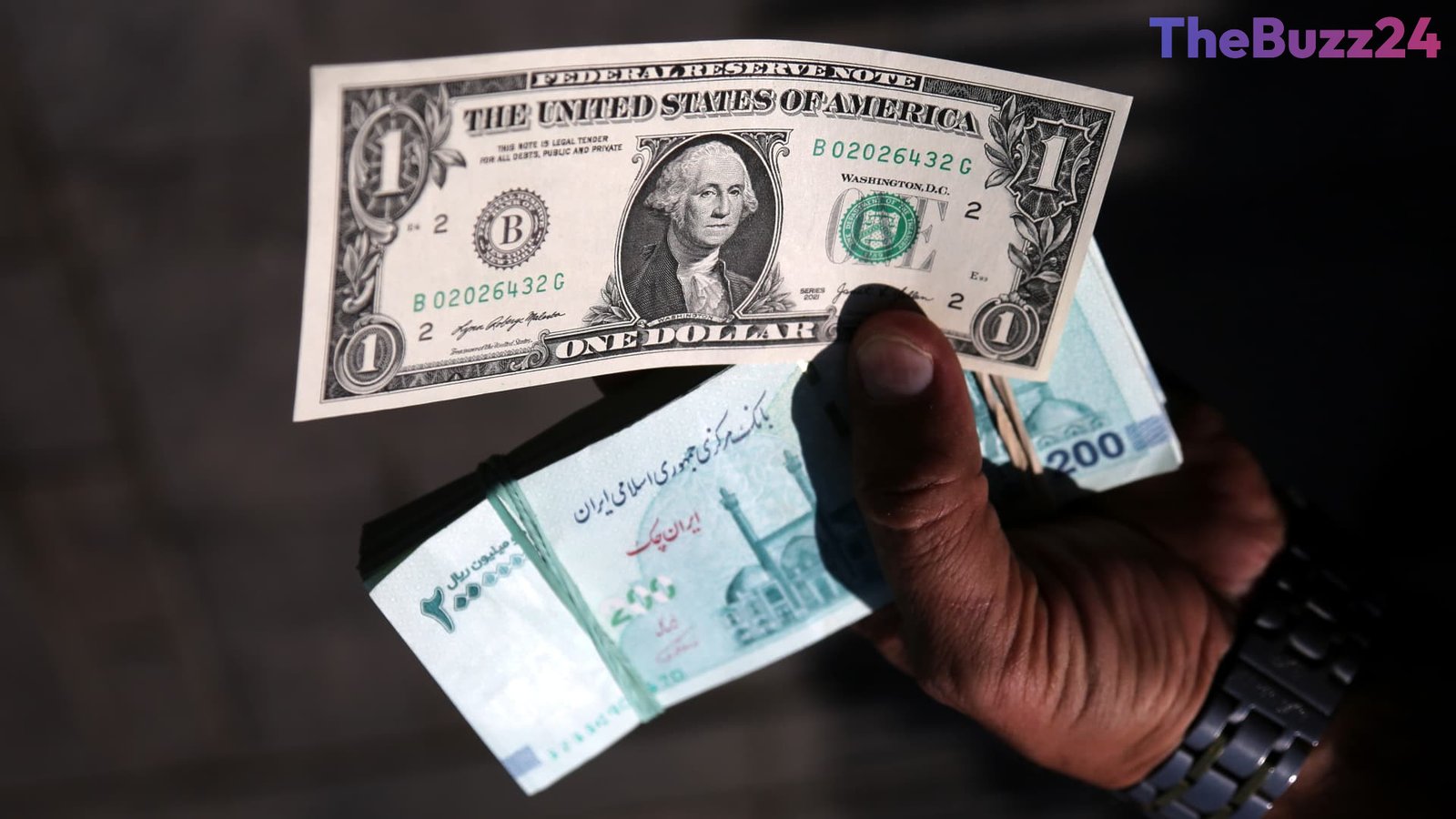
Washington’s New Economic Push Threatens Iran’s Key Global Trade Partners
The U.S. government has launched an aggressive economic campaign aimed at systematically isolating Iran from the global financial system. By threatening severe penalties against any international entity that facilitates money laundering or trade for Tehran, Washington hopes to sever the critical economic lifelines sustaining the Iranian regime. This high-stakes diplomatic and financial maneuver places several of Iran’s primary trading partners in a precarious position, forcing governments across Asia and the Middle East to reevaluate their commercial ties.
China remains Tehran’s most vital economic anchor, absorbing the vast majority of Iranian oil exports through a network of independent refiners and intermediaries. Despite Beijing’s public defiance of unilateral Western sanctions, market analysts suggest that Chinese financial institutions and state-owned enterprises may quietly enhance compliance to protect their access to the U.S. dollar and Western markets. Meanwhile, the United Arab Emirates—historically a major financial and transshipment hub for Iranian commerce—has recently shown signs of scaling back financial transactions following regional security incidents, signaling potential vulnerabilities in Iran’s shadow banking network.
Other major trading partners, including Turkey, Iraq, and India, face significant disruptions under the renewed enforcement strategy. Ankara relies on Iranian energy imports, while Baghdad depends heavily on Iranian natural gas and electricity to meet its domestic power needs. India, which recently resumed limited crude oil imports, now faces difficult decisions regarding its bilateral trade portfolio. As Washington intensifies its pressure campaign, these nations must navigate the complex challenge of balancing regional energy needs and economic interests against the looming threat of severe American financial sanctions.
Key Takeaways
- The U.S. has initiated a broad economic campaign to cut off entities laundering money for Iran from the U.S. dollar system.
- Major trading partners like China, the UAE, Turkey, Iraq, and India face immediate exposure to potential secondary sanctions.
- While countries like China and Turkey maintain commercial ties with Tehran, heightened enforcement risks forcing them to quietly comply with U.S. demands to protect their dollar access.
Editor’s Analysis & Impact
The latest U.S. economic strategy against Iran introduces significant friction into global supply chains and energy markets. By targeting the financial enablers and intermediary networks in countries like China, the UAE, and Turkey, Washington is attempting to dismantle the shadow banking infrastructure that has kept Tehran afloat. However, aggressive enforcement risks diplomatic pushback and economic retaliation from major global powers, particularly Beijing. In the long term, this campaign could accelerate efforts by sanctioned nations and their trading partners to de-dollarize trade and establish alternative financial messaging systems, fundamentally altering the architecture of international commerce and compliance.
Frequently Asked Questions
Q: Which countries are most exposed to the new U.S. sanctions targeting Iran?
A: China, the United Arab Emirates, Turkey, Iraq, and India are currently among the most exposed due to their extensive bilateral trade, energy imports, and financial ties with Tehran.
Q: How does China handle Iranian oil imports despite U.S. sanctions?
A: Independent Chinese refiners purchase the bulk of Iranian oil, often rebranding it as crude from other nations like Malaysia or Indonesia, and settle payments through intermediaries outside the traditional dollar system.
Q: Why is Iraq particularly vulnerable to these economic measures?
A: Iraq depends heavily on Iranian natural gas and electricity to generate a significant portion of its domestic power, and new sanctions could severely disrupt Baghdad's multibillion-dollar energy payments to Tehran.
AI Disclosure: This article is based on verified data and official reports. Our Team and AI have cross-referenced every financial detail with primary sources to ensure total accuracy.
More from this Category