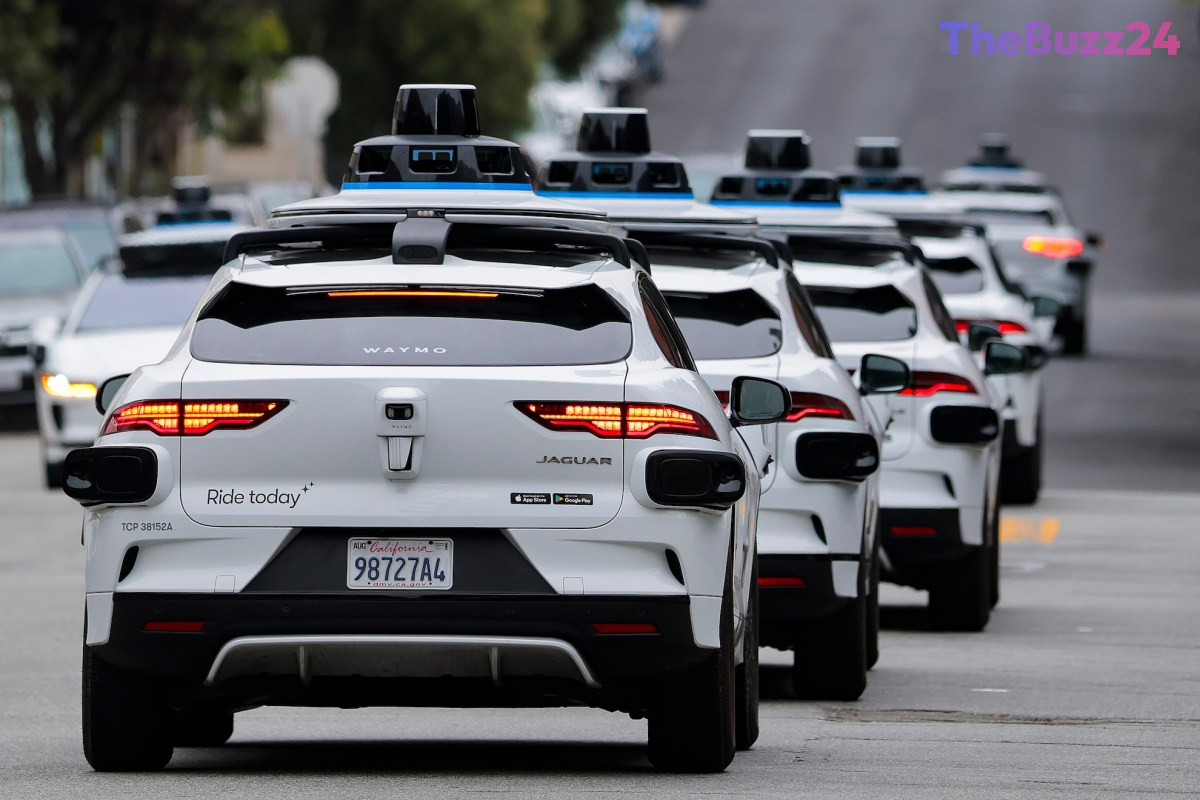
Waymo Restores San Francisco Robotaxi Operations Following Brief Power-Related Suspension
Waymo has officially resumed its robotaxi services in San Francisco following a brief, one-hour suspension triggered by a significant power outage. The disruption, which impacted approximately 7,000 PG&E customers across the city, prompted the Alphabet-owned company to temporarily halt operations to evaluate local conditions and ensure passenger safety.
During the pause, users reported receiving notifications that service was temporarily unavailable, with specific restrictions placed on freeway routes. A company spokesperson confirmed that the decision to suspend operations was a precautionary measure taken to coordinate with local officials and assess the broader impact of the electrical grid failure on city infrastructure.
This incident highlights the ongoing challenges autonomous vehicle fleets face when navigating urban environments during large-scale utility disruptions. While service has since returned to normal, the event has reignited discussions regarding the oversight of self-driving technology. San Francisco Mayor Daniel Lurie has publicly advocated for more stringent state-level regulations to govern how autonomous vehicle operators respond to major city-wide incidents, whether planned or unexpected.
Key Takeaways
- Waymo temporarily paused its San Francisco robotaxi service for one hour due to a widespread power outage.
- The company implemented the suspension as a safety precaution to monitor local conditions and coordinate with city officials.
- San Francisco Mayor Daniel Lurie is calling for stricter state regulations on how autonomous vehicles operate during major urban incidents.
Editor’s Analysis & Impact
The brief suspension of Waymo’s service underscores the vulnerability of autonomous fleets to external infrastructure failures. As robotaxis become more integrated into urban transit, their ability to maintain operational integrity during power outages or emergency scenarios remains a critical hurdle for public trust and regulatory approval. The push by San Francisco leadership for tighter oversight suggests that the ‘honeymoon phase’ for autonomous vehicle deployment is ending, shifting toward a more rigorous regulatory environment. For the industry, this means that future scaling will likely require more robust fail-safe protocols and deeper integration with municipal emergency management systems. Investors and stakeholders should anticipate increased compliance costs as cities demand greater transparency and control over how these fleets behave during city-wide disruptions.
Frequently Asked Questions
Q: Why did Waymo pause its service in San Francisco?
A: Waymo paused its service for approximately one hour as a precautionary measure to assess the impact of a large-scale power outage affecting thousands of PG&E customers.
Q: Has Waymo resumed normal operations?
A: Yes, Waymo confirmed that service has returned to normal operations following the brief assessment period.
Q: What is the city's stance on these autonomous vehicle disruptions?
A: San Francisco Mayor Daniel Lurie has called for tougher state regulations to ensure autonomous vehicles can safely and effectively operate during major incidents.
AI Disclosure: This article is based on verified data and official reports. Our Team and AI have cross-referenced every financial detail with primary sources to ensure total accuracy.
More from this Category