Waymo Resumes Autonomous Ride-Hailing in San Antonio Following Flood-Related Suspension
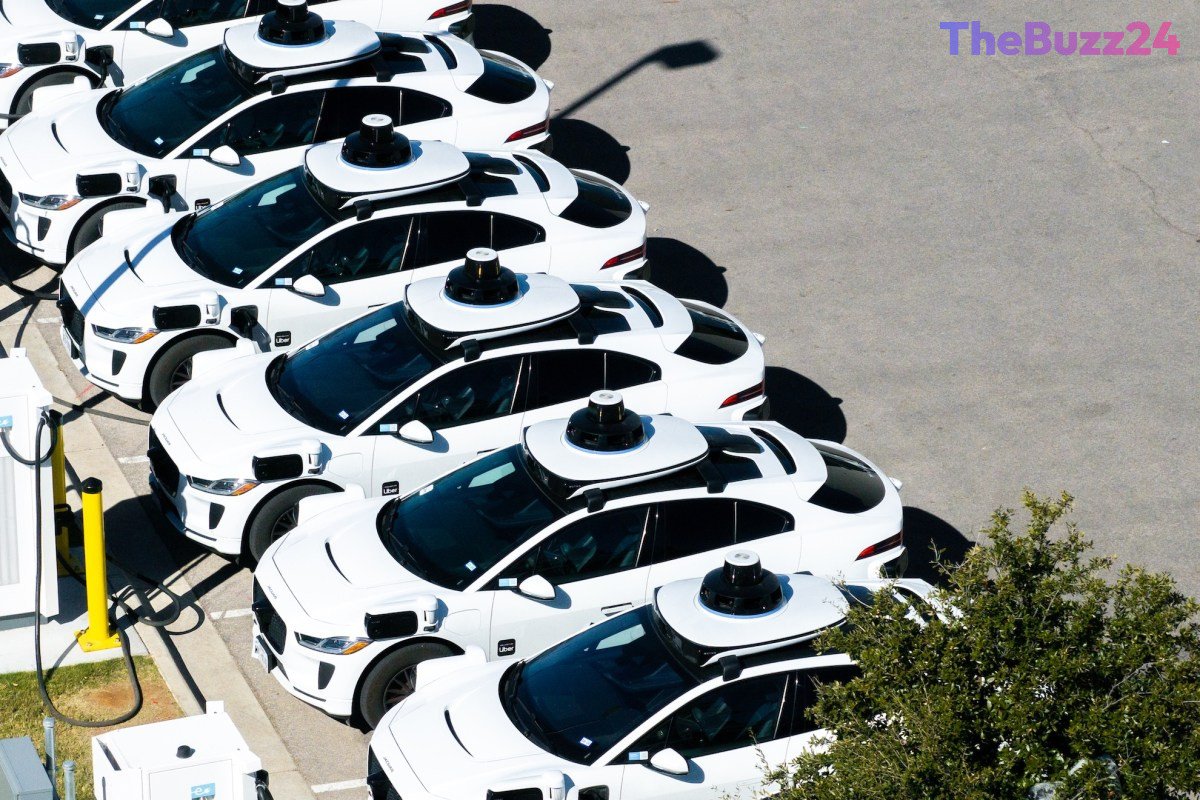
Autonomous vehicle pioneer Waymo has officially brought its robotaxi fleet back to the streets of San Antonio, Texas. This restart comes five months after the company temporarily suspended operations when severe flash flooding in April caught multiple autonomous vehicles in rising waters. During that severe weather event, several Waymo vehicles navigated into waterlogged streets before getting stranded, prompting a swift response from the company.
In the wake of the incident, Waymo initiated a voluntary software recall in May and proactively restricted its vehicles from operating in zones deemed vulnerable to flooding. The temporary pause affected operations in San Antonio and other Texan markets, though services elsewhere have progressively come back online. With the latest rollout, Waymo currently provides commercial, driverless rides across 15 metropolitan areas nationwide.
The renewed San Antonio deployment features a fleet of dozens of vehicles servicing a sprawling 60-mile territory. This coverage zone strategically connects downtown areas with the San Antonio International Airport. Company representatives confirmed that critical software updates have been integrated into the fleet to enhance hazard detection, specifically empowering the autonomous systems to reliably identify and circumvent standing water during severe weather events.
Key Takeaways
- Waymo has resumed its commercial robotaxi service in San Antonio, Texas, five months after a weather-related suspension.
- An April flash flood incident led to stranded vehicles and a subsequent software recall and operational pause in May.
- Updated software has been implemented to help the autonomous fleet better detect and avoid standing water hazards.
Editor’s Analysis & Impact
The successful relaunch of Waymo’s San Antonio operations marks a critical milestone in the maturation of autonomous vehicle safety protocols, particularly regarding extreme weather resilience. As autonomous fleets scale across complex urban landscapes, unexpected environmental hazards like flash floods present severe operational hurdles that can quickly erode public trust. By transparently addressing the April incident through software upgrades and targeted geographic restrictions, Waymo demonstrates a proactive approach to regulatory scrutiny and consumer safety. Looking forward, the company’s ability to seamlessly scale to 15 U.S. cities while refining its hazard-detection algorithms will be pivotal for wider commercial adoption. This development also underscores the increasing pressure on autonomous vehicle developers to engineer robust fail-safes for climate-driven weather anomalies, setting a benchmark for competitors in the self-driving sector.
Frequently Asked Questions
Q: Why did Waymo suspend its service in San Antonio?
A: Waymo paused operations after severe flash flooding in April caused multiple robotaxis to become stranded in waterlogged streets, leading to a vehicle recall and safety review in May.
Q: What changes were made before the service restarted?
A: Waymo deployed software updates designed to improve the autonomous vehicles' ability to detect and safely avoid standing water.
Q: How large is the operating area in San Antonio?
A: The resumed service covers a 60-mile territory that encompasses downtown San Antonio and connects to the San Antonio International Airport.
AI Disclosure: This article is based on verified data and official reports. Our Team and AI have cross-referenced every financial detail with primary sources to ensure total accuracy.
More from this Category