Waymo Secures $5 Billion in Debt Financing to Accelerate Global Robotaxi Expansion
Waymo, the autonomous vehicle division of Google’s parent company Alphabet, has successfully secured a substantial $5 billion in debt financing. This significant financial injection comes from a consortium of prominent lenders, including major players like Blackstone and PIMCO, alongside Sixth Street. This marks Waymo’s inaugural foray into debt financing, a strategic move designed to fuel its aggressive commercial expansion.
The substantial loan will support Waymo’s efforts to broaden its robotaxi services within its current operational cities and to establish a presence in new markets across the United States, Europe, and Japan. The company views this debt financing as a critical step in its transition from a development project to a fully scaling commercial enterprise. The diverse group of lenders also includes Capital Group, Loomis Sayles, T. Rowe Price, Apollo, Blue Owl, Diameter Capital Partners, Franklin Templeton, Fidelity Management & Research Company, HPS Investment Partners, and Oaktree, with Goldman Sachs acting as the sole lead bookrunner.
Previously, Waymo relied on capital infusions from Alphabet and external equity investors. The company has a history of significant funding rounds, including a $16 billion equity raise earlier this year that valued Waymo at $126 billion. This latest debt financing provides Waymo with enhanced financial flexibility, strengthening its balance sheet and positioning it to seize future growth opportunities, particularly as it scales its operations and demonstrates proven commercial demand and improved safety records in the communities it serves.
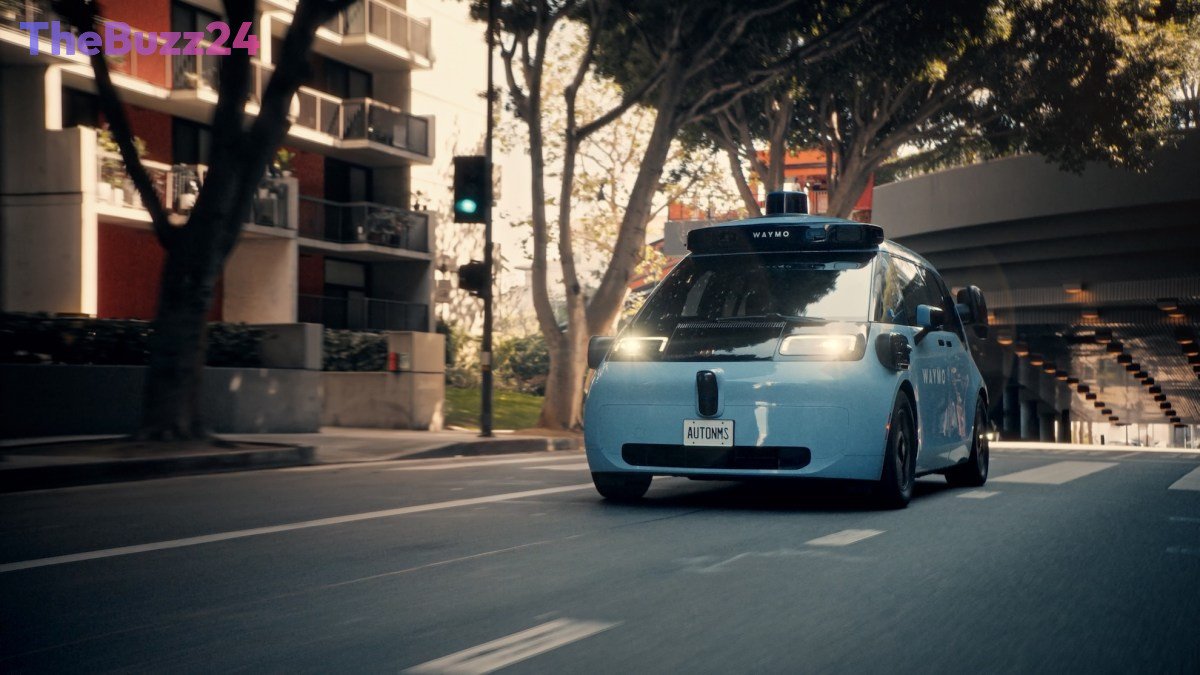
Waymo’s journey began as a self-driving project within Google, with years of testing on public roads preceding its first robotaxi market launch in Phoenix. The company has since expanded its services to numerous U.S. cities, including Los Angeles, San Francisco, San Diego, Austin, Dallas, Houston, Miami, Orlando, and Tampa, now operating in 15 markets. The company is also actively testing and planning launches in international cities like London and Tokyo. Despite its progress, Waymo has faced scrutiny from regulators, including investigations by the National Highway Traffic Safety Administration and the National Transportation Safety Board concerning incidents involving robotaxis and school buses, as well as a collision with a child.
Key Takeaways
- Waymo has secured $5 billion in debt financing from major lenders like Blackstone and PIMCO.
- The funds will be used to accelerate Waymo's global robotaxi expansion and commercial operations.
- This debt financing is Waymo's first and signifies its evolution into a scaling commercial enterprise.
Editor’s Analysis & Impact
The substantial $5 billion debt financing marks a pivotal moment for Waymo, signaling a shift towards more diversified funding strategies beyond equity and parent company investment. This move underscores the company’s confidence in its commercial viability and its aggressive expansion plans. The infusion of capital will be crucial for scaling operations in existing markets and venturing into new international territories. However, Waymo must also navigate increasing regulatory scrutiny and public perception challenges, particularly following recent safety-related investigations. Successfully balancing rapid growth with safety and compliance will be key to its long-term success in the competitive autonomous vehicle landscape.
Frequently Asked Questions
Q: What is Waymo?
A: Waymo is an autonomous vehicle technology company, a subsidiary of Alphabet Inc. (Google's parent company), focused on developing and deploying self-driving technology, primarily for ride-hailing services.
Q: What is debt financing?
A: Debt financing is a method of raising capital by borrowing money that must be repaid over time, usually with interest. Unlike equity financing, it does not involve selling ownership stakes in the company.
Q: What are the main challenges Waymo faces?
A: Waymo faces challenges including intense competition, the need for significant capital investment, regulatory hurdles, public acceptance and trust, and ensuring the safety and reliability of its autonomous systems in diverse real-world conditions.
AI Disclosure: This article is based on verified data and official reports. Our Team and AI have cross-referenced every financial detail with primary sources to ensure total accuracy.
More from this Category