Webb Telescope Unveils Hidden Depths of Nearby Galaxy Centaurus A
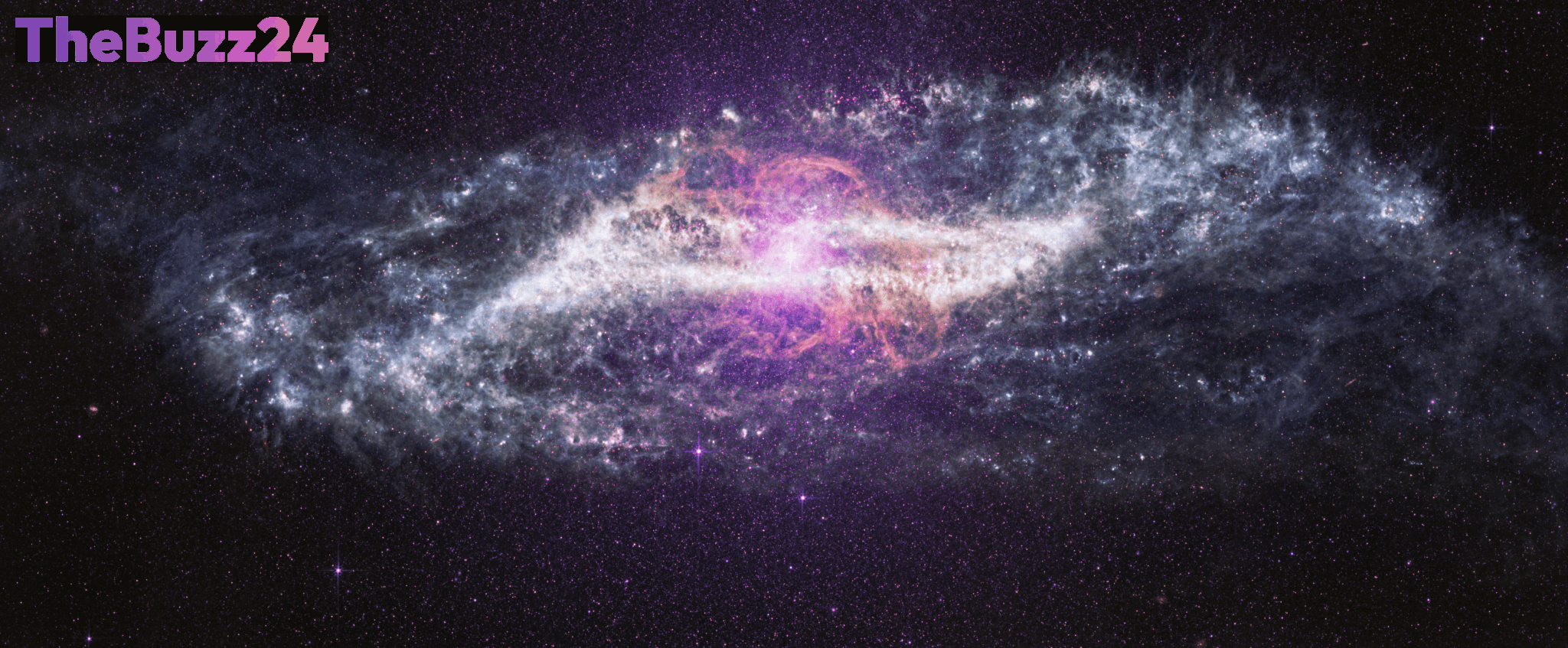
The James Webb Space Telescope, utilizing its Mid-Infrared Instrument (MIRI), has captured a stunning new image of the galaxy Centaurus A, revealing intricate dusty structures and previously unseen activity. This detailed view, released on July 6, 2026, offers an unprecedented look into the dynamic processes shaping this celestial neighbor.
Located a mere 11 million light-years from Earth, Centaurus A stands out among nearby galaxies due to its exceptionally active nature. This high level of activity makes it a prime target for astronomers seeking to unravel the complex relationship between galactic evolution and the growth of supermassive black holes at their centers.
The advanced capabilities of the Webb telescope allow scientists to peer through the dense dust clouds that often obscure galactic cores, providing critical data on star formation and the behavior of the central black hole. The insights gained from studying Centaurus A are expected to significantly advance our understanding of how galaxies, including our own Milky Way, develop over cosmic timescales.
Key Takeaways
- The James Webb Space Telescope's MIRI instrument has provided a new, detailed image of the galaxy Centaurus A.
- Centaurus A is a relatively nearby and highly active galaxy, making it crucial for studying galactic and black hole evolution.
- The new imagery reveals hidden dusty structures and activity, offering insights into processes that shape galaxies.
Editor’s Analysis & Impact
This latest release from the James Webb Space Telescope underscores its transformative power in astronomical observation. By penetrating dust clouds with its mid-infrared capabilities, Webb is providing data that was previously inaccessible, particularly concerning active galactic nuclei and their surrounding environments. Centaurus A, being a relatively close and energetic galaxy, serves as an ideal natural laboratory. The findings will likely refine models of galaxy formation and the co-evolution of galaxies and their central supermassive black holes, potentially shedding light on similar processes in the Milky Way and other galaxies across the universe.
Frequently Asked Questions
Q: What makes Centaurus A an important galaxy for study?
A: Centaurus A is significant because it is a very active galaxy located relatively close to Earth. This activity, likely driven by its central supermassive black hole, makes it an excellent natural laboratory for understanding how galaxies grow and evolve, and how their black holes influence this process.
Q: What is the role of the James Webb Space Telescope in this discovery?
A: The James Webb Space Telescope, specifically its Mid-Infrared Instrument (MIRI), was used to capture a highly detailed image of Centaurus A. Its ability to observe in the mid-infrared spectrum allows it to see through dust that obscures visible light, revealing hidden structures and activity within the galaxy.
Q: How far away is Centaurus A?
A: Centaurus A is located approximately 11 million light-years away from Earth.
AI Disclosure: This article is based on verified data and official reports. Our Team and AI have cross-referenced every financial detail with primary sources to ensure total accuracy.
More from this Category