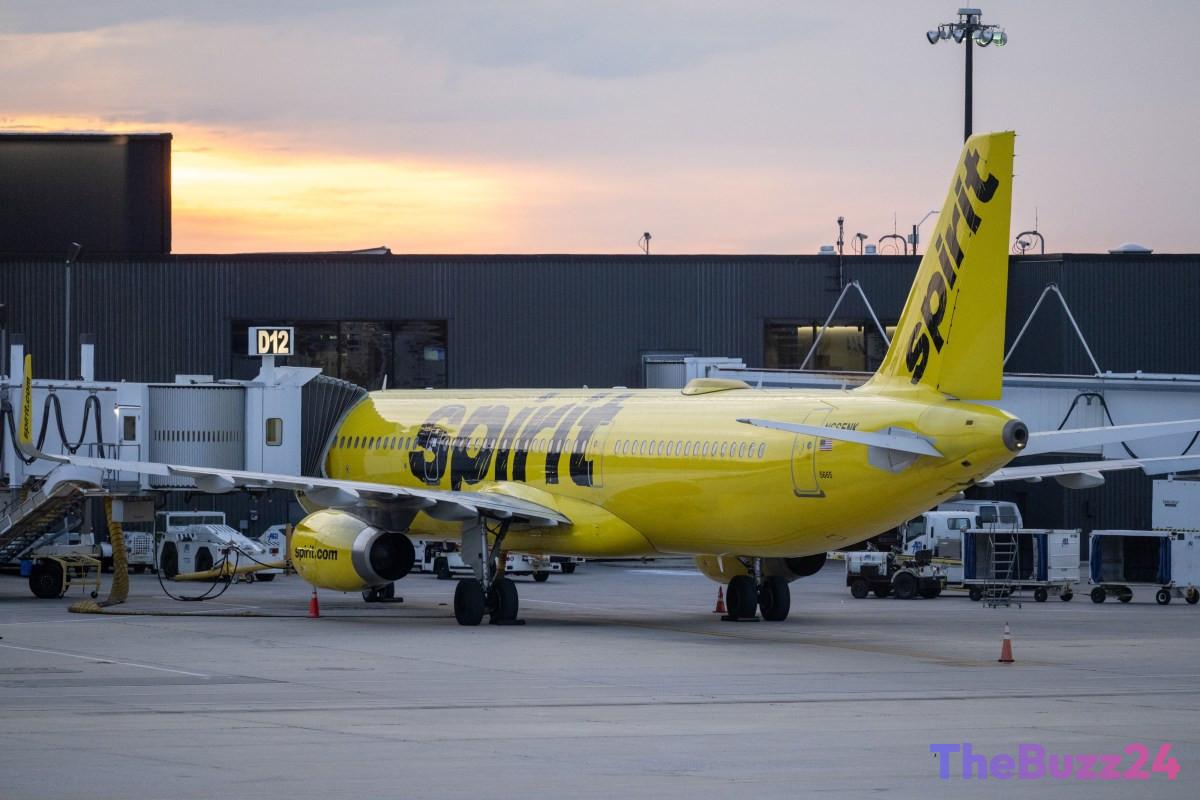
Crowdsourcing a Carrier: Viral TikTok Campaign Rallies $23 Million in Pledges to Buy Spirit Airlines
The sudden and dramatic collapse of Spirit Airlines over the weekend left travelers stranded and 17,000 employees out of work. Amid the chaos and frustration over the loss of the budget carrier, an unconventional movement began brewing on social media. Hunter Peterson, a voice actor and frequent flyer, took to TikTok to propose a wild solution: what if the public bought the airline themselves? Dubbing the concept “Spirit 2.0: Owned by the People,” Peterson suggested that if a fraction of the American public chipped in the cost of a typical low-cost fare, they could collectively acquire the defunct carrier.
What started as a whimsical social media post quickly transformed into a viral phenomenon. Peterson hastily launched a basic website to track interest, and the response was overwhelming. Within hours, the site’s servers crashed under the weight of traffic. By Sunday, more than 36,000 “founding patrons” had stepped forward, pledging a staggering $23 million toward the hypothetical acquisition.
Despite the impressive numbers, the campaign faces massive practical hurdles. The $23 million consists entirely of non-binding pledges rather than actual capital, and the cost of acquiring, licensing, and operating a commercial airline runs deep into the billions of dollars. Peterson has openly acknowledged the absurdity of the scale, jokingly calling for aviation lawyers, public relations experts, and financial advisors to help him navigate the sudden spotlight. While he admits he is “committing to the bit,” the campaign highlights a genuine public desire for affordable air travel options.
Key Takeaways
- Following Spirit Airlines' sudden weekend shutdown and the layoff of 17,000 workers, a viral TikTok campaign emerged proposing a public buyout of the carrier.
- Creator Hunter Peterson's 'Spirit 2.0' initiative garnered over $23 million in non-binding pledges from 36,000 supporters in less than 24 hours.
- While the campaign highlights consumer demand for budget travel, the actual cost of reviving a commercial airline requires billions of dollars, making the effort highly symbolic.
Editor’s Analysis & Impact
The viral campaign to resurrect Spirit Airlines as a crowd-owned entity underscores a deep consumer anxiety over the shrinking landscape of ultra-low-cost carriers (ULCCs). With Spirit’s sudden exit, the aviation market loses a major price-disciplining force, which will likely lead to higher fares on overlapping routes dominated by legacy carriers. While the ‘Spirit 2.0’ movement is legally and financially unfeasible—given the astronomical capital requirements, regulatory hurdles, and operational complexities of commercial aviation—it serves as a powerful cultural indicator. It demonstrates how modern social media can rapidly mobilize public sentiment and capital pledges around corporate collapses. Ultimately, this phenomenon highlights that while the public desperately wants cheap flights, the harsh economic realities of high fuel costs, labor demands, and intense competition make the budget airline model incredibly difficult to sustain, let alone crowdsource.
Frequently Asked Questions
Q: Is the $23 million raised by the TikTok campaign real money?
A: No, the $23 million consists of non-binding pledges made on a temporary website. No actual funds have been collected, and transferring these pledges into real capital would require complex legal and financial frameworks.
Q: How much does it actually cost to buy and run an airline like Spirit?
A: Acquiring and relaunching a commercial airline requires billions of dollars. Beyond the purchase price of the brand and assets, a carrier must secure regulatory approvals, pay for aircraft leases, fuel, insurance, and the salaries of thousands of specialized employees.
Q: Why did Spirit Airlines shut down?
A: Spirit Airlines abruptly ceased operations over a weekend, canceling all flights and laying off its entire workforce of 17,000 employees, following severe financial struggles and an inability to sustain its low-cost business model.
AI Disclosure: This article is based on verified data and official reports. Our Team and AI have cross-referenced every financial detail with primary sources to ensure total accuracy.
More from this Category