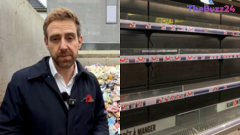
Widespread Cyber-Attack Cripples European Supermarket Freezers, Causing Massive Food Waste
Dozens of supermarkets spanning multiple European countries have been forced to discard mountains of spoiled food following a coordinated cyber-attack that targeted commercial refrigeration and freezer systems. The sophisticated digital breach disrupted temperature controls, rendering vital cooling units inoperable and leaving perishable goods to thaw.
Belgium and Luxembourg bore the brunt of the technological sabotage, with approximately 40 Delhaize supermarket locations suffering severe operational disruptions. Similar malicious incidents were simultaneously reported in retail stores across Sweden, Ireland, the Netherlands, Estonia, and Finland, highlighting the vulnerability of modern retail infrastructure to remote digital threats.
At a Delhaize branch located in Hoeilaart, just outside Brussels, massive quantities of frozen goods—including ice cream and prepared meals—had to be hauled away and discarded. Store management estimated the financial losses at a single location to exceed €100,000. Investigators are currently working to determine the origin of the breach and identify the threat actors responsible for compromising the grocery supply chain.
Key Takeaways
- A coordinated cyber-attack targeted commercial freezers and refrigerators across multiple European nations.
- Belgium and Luxembourg were hit hardest, with around 40 Delhaize supermarkets reporting severe damage and spoiled inventory.
- Individual store locations estimate financial losses from discarded food to exceed €100,000.
Editor’s Analysis & Impact
This incident exposes a critical vulnerability in the modern retail supply chain: the reliance on interconnected IoT (Internet of Things) and smart infrastructure for temperature-sensitive logistics. As grocery chains increasingly adopt centralized digital management systems for energy efficiency and inventory tracking, they simultaneously expand their attack surface. The financial losses extend far beyond immediate inventory spoilage, encompassing potential regulatory scrutiny, reputational damage, and the high cost of forensic cybersecurity overhauls. Moving forward, the retail and grocery sectors must treat operational technology (OT) security with the same urgency as financial data protection, investing heavily in robust network segmentation, resilient backup protocols, and advanced threat detection to prevent malicious actors from weaponizing essential infrastructure.
Frequently Asked Questions
Q: Which countries were affected by the supermarket cyber-attack?
A: The cyber-attack impacted supermarkets in Belgium, Luxembourg, Sweden, Ireland, the Netherlands, Estonia, and Finland.
Q: Which supermarket chain suffered the most reported damage?
A: Delhaize supermarkets were heavily targeted, with approximately 40 locations affected primarily in Belgium and Luxembourg.
Q: How did the cyber-attack ruin the food?
A: The hackers targeted refrigeration and freezer systems, disabling temperature controls and causing perishable items to thaw and spoil.
AI Disclosure: This article is based on verified data and official reports. Our Team and AI have cross-referenced every financial detail with primary sources to ensure total accuracy.
More from this Category