Xi Jinping Embarks on Strategic Diplomatic Blitz Ahead of Crucial Trump Summit
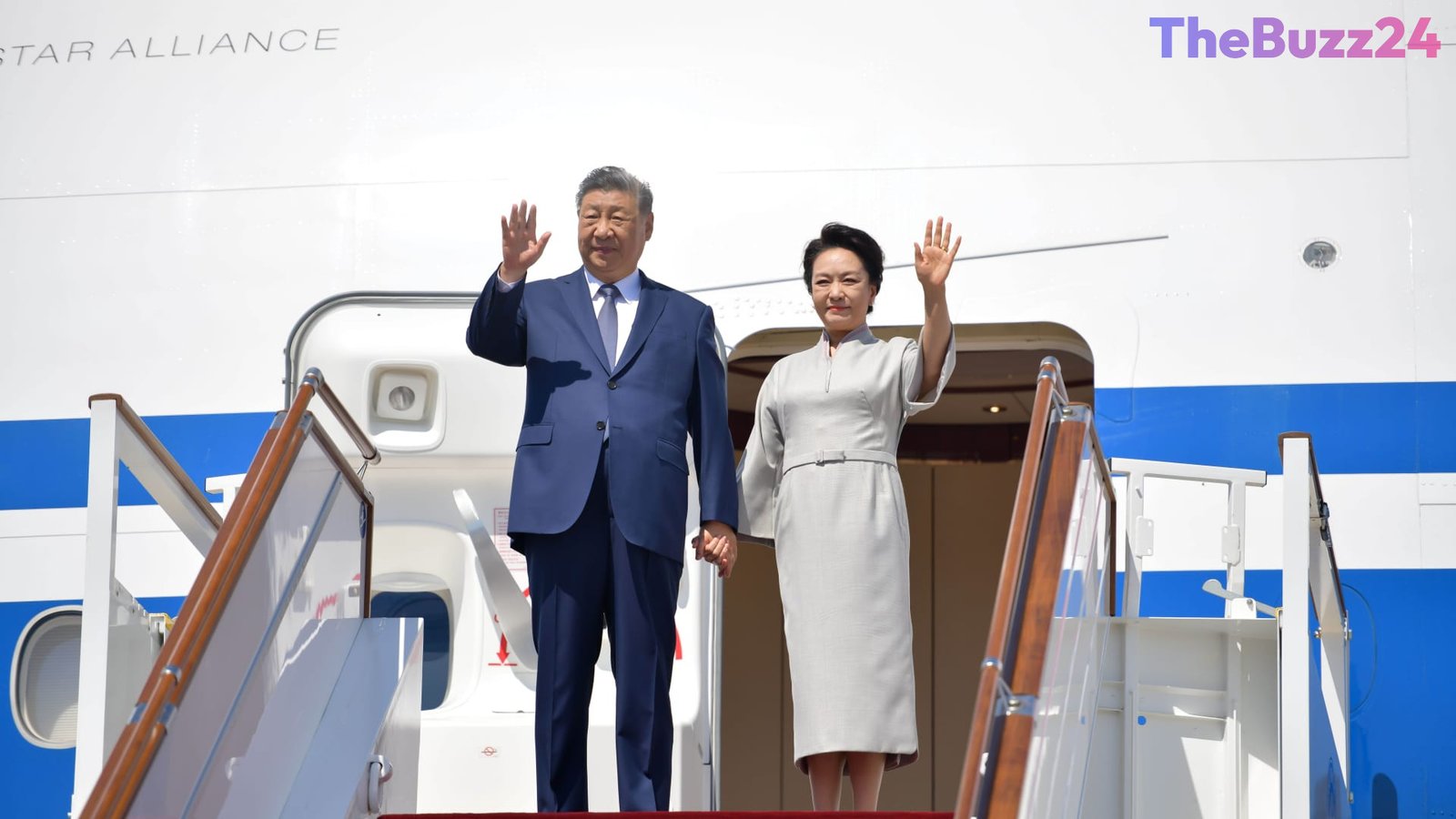
Chinese President Xi Jinping is launching a highly anticipated series of international state visits, marking a significant departure from his recent period of limited foreign travel. This diplomatic push, which includes stops in Kyrgyzstan, Egypt, and potentially India, comes just weeks before an expected high-stakes summit with U.S. President Donald Trump in Washington. Analysts view this flurry of activity as a strategic effort by Beijing to bolster its global influence and solidify its role as a key mediator in international security, trade, and technology.
The diplomatic tour begins in Bishkek, Kyrgyzstan, for the Shanghai Cooperation Organization (SCO) summit, bringing together leaders from Russia, India, and other non-Western nations. Following this, Xi will make a historic state visit to Egypt—his first in ten years—to strengthen economic ties near the Suez Canal. The most closely watched leg of the tour, however, is the upcoming BRICS summit in New Delhi. If confirmed, this would mark Xi’s first visit to India since 2019, signaling a potential thaw in relations between the two nuclear-armed neighbors following deadly border clashes in 2020. While bilateral trade and investment rules have recently eased, underlying tensions persist as India positions itself as an alternative manufacturing hub to China, particularly for tech giants like Apple.
Washington is keeping a close eye on these summits, particularly regarding India’s delicate balancing act between Western alliances and its partnerships with Russia and China. Despite closer ties with the U.S., India continues to import significant amounts of Russian crude oil, exposing it to potential secondary U.S. tariffs under proposed congressional legislation. For New Delhi, participating in the SCO and BRICS summits serves as a strategic reminder to Washington of its multi-polar alignments and independent foreign policy.
The ultimate climax of this diplomatic season is the anticipated September 24 summit between Trump and Xi in Washington. While trade and geopolitical tensions—such as China’s economic ties with Iran—remain high on the agenda, artificial intelligence has emerged as a critical focal point. Semi-official bilateral talks have already touched on establishing global AI guardrails to prevent powerful large language models from causing economic or security disasters. While some experts remain skeptical about cooperation in what is widely seen as a zero-sum tech race, others believe a mutual agreement on AI safety and tariff extensions could provide much-needed stability to the global economy.
Key Takeaways
- Chinese President Xi Jinping is breaking a period of limited travel with key visits to Kyrgyzstan, Egypt, and India ahead of a planned U.S. summit.
- The upcoming BRICS summit in New Delhi could mark Xi's first visit to India since 2019, highlighting efforts to manage trade and border tensions.
- Artificial intelligence security and global guardrails are set to be primary topics of discussion during the expected Trump-Xi summit in Washington.
Editor’s Analysis & Impact
Xi Jinping’s sudden return to the global stage underscores Beijing’s desire to shape the international order before engaging in direct negotiations with the Trump administration. By reinforcing ties with non-Western blocs like the SCO and BRICS, China is building a diplomatic buffer and demonstrating its indispensable role in global supply chains and security. The inclusion of AI guardrails on the upcoming summit agenda highlights a growing realization that artificial intelligence is no longer just a commercial frontier, but a critical national security domain requiring bilateral rules of engagement. For businesses and investors, the outcome of these diplomatic maneuvers will dictate the trajectory of global trade tariffs, supply chain diversification (particularly in tech manufacturing), and the regulatory landscape for emerging technologies.
Frequently Asked Questions
Q: Why is Xi Jinping's upcoming travel schedule significant?
A: Xi Jinping has significantly curtailed his international travel in recent years. This sudden flurry of state visits indicates a strategic shift to build diplomatic leverage and strengthen alliances before his expected summit with U.S. President Donald Trump.
Q: What are the main issues between India and China ahead of the BRICS summit?
A: While direct flights have resumed and some investment rules have eased, India and China still face unresolved border disputes and visa issues. Additionally, India is actively competing with China as a global manufacturing hub, notably securing major production lines for companies like Apple.
Q: What role will artificial intelligence play in the Trump-Xi summit?
A: AI security has emerged as a top priority. Both nations are exploring the creation of bilateral guardrails to prevent powerful AI models from falling into dangerous hands, though experts note that intense competition in tech development may make formal agreements difficult to reach.
AI Disclosure: This article is based on verified data and official reports. Our Team and AI have cross-referenced every financial detail with primary sources to ensure total accuracy.
More from this Category