Radify Unveils Plasma Reactor Technology to Disrupt Rare-Earth Refining
The global supply chain for rare-earth elements, essential for modern technology, has long been characterized by a heavy reliance on concentrated international markets. This geopolitical dependency has spurred a push for domestic alternatives in the West, though the path to establishing a competitive industrial base has been hindered by complex and slow-moving infrastructure projects. Radify, a California-based startup, is now targeting a critical bottleneck in this sector: the refining process that transforms metal oxides into high-purity, usable metals.
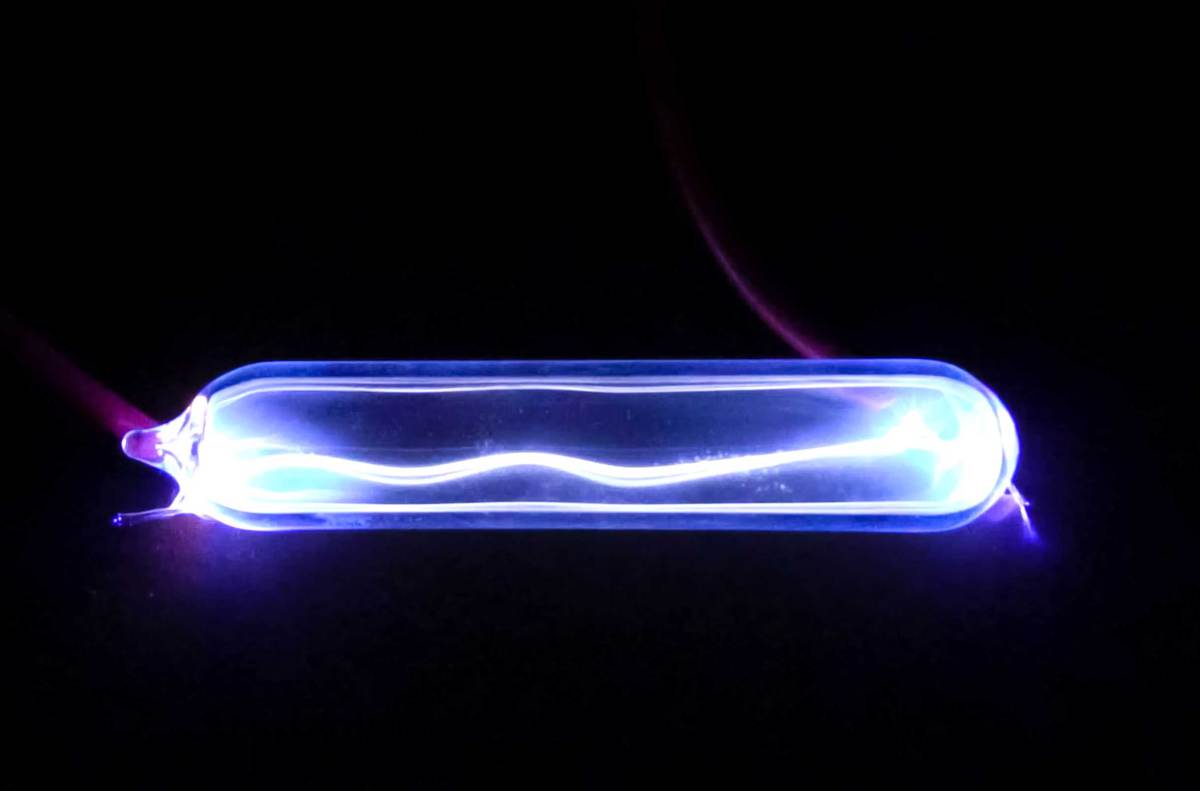
Conventional refining techniques often depend on energy-intensive heat or chemical-heavy water processes, both of which carry significant environmental costs. Radify is pivoting toward plasma technology, utilizing a superheated state of energetic particles to effectively strip oxygen from metal oxides. While the potential for plasma refining has been understood for years—offering a cleaner output consisting primarily of water vapor—it was previously considered economically unfeasible for commercial applications. Radify reports that it has successfully bypassed these barriers through breakthroughs in power electronics and specialized engineering designed to handle metallic powders.
The company’s approach centers on a modular reactor design, which offers greater flexibility than the massive, rigid facilities that currently dominate the industry. This system allows operators to adjust parameters to switch between various metals, including dysprosium, samarium, titanium, and zirconium. By providing this versatility, the technology acts as a buffer against the price volatility that frequently plagues the global metals market, potentially insulating the company from aggressive international pricing strategies.
Backed by nearly $3 million in funding, the Radify team is currently focused on optimizing its laboratory processes and software. The startup aims to achieve a production capacity of several kilograms of pure metal per day by the end of the year, with a long-term roadmap to scale operations to 100 kilograms daily. If these production goals are met, the technology could significantly reduce the costs associated with non-Chinese rare-earth production, potentially reaching price parity with global incumbents and reshaping the landscape of industrial metal processing.
Key Takeaways
- Radify is utilizing plasma technology to refine rare-earth metals, offering a cleaner and more efficient alternative to traditional chemical-heavy methods.
- The company's modular reactor design allows for the processing of multiple metal types, providing a hedge against market volatility and supply chain bottlenecks.
- With $3 million in funding, the startup plans to scale production to 100 kilograms of pure metal per day, aiming to compete directly with established global suppliers.
Editor’s Analysis & Impact
Radify’s entry into the rare-earth refining market represents a significant shift toward decentralized, modular industrial production. By tackling the refining stage—a notorious bottleneck in the tech supply chain—the company addresses both the environmental concerns of traditional metallurgy and the geopolitical risks of concentrated supply. The move toward modularity is particularly strategic; it allows for lower capital expenditure and greater agility in a volatile commodity market. If Radify successfully scales its plasma reactors, it could provide a blueprint for Western nations to reclaim sovereignty over critical mineral processing. However, the primary challenge remains the transition from laboratory-scale success to industrial-grade reliability. Should they achieve price parity with incumbent global players, the broader implications include a potential stabilization of costs for manufacturers of electric vehicles, wind turbines, and advanced electronics, ultimately weakening the leverage held by current market monopolies.
Frequently Asked Questions
Q: What makes Radify's plasma technology different from traditional refining?
A: Traditional methods rely on energy-intensive heat or chemical-heavy water processes that are environmentally damaging. Radify's plasma technology uses a superheated state of particles to strip oxygen from metal oxides, resulting in a cleaner output that consists primarily of water vapor.
Q: How does the modular reactor design benefit the company?
A: The modular design allows for smaller, more flexible operations that can be adjusted to process different types of metals, such as titanium or dysprosium. This versatility helps the company adapt to market price fluctuations and reduces the need for massive, rigid infrastructure.
AI Disclosure: This article is based on verified data and official reports. Our Team and AI have cross-referenced every financial detail with primary sources to ensure total accuracy.
More from this Category