Uber Eats Expands Beyond Food with New On-Demand Retail Return Service
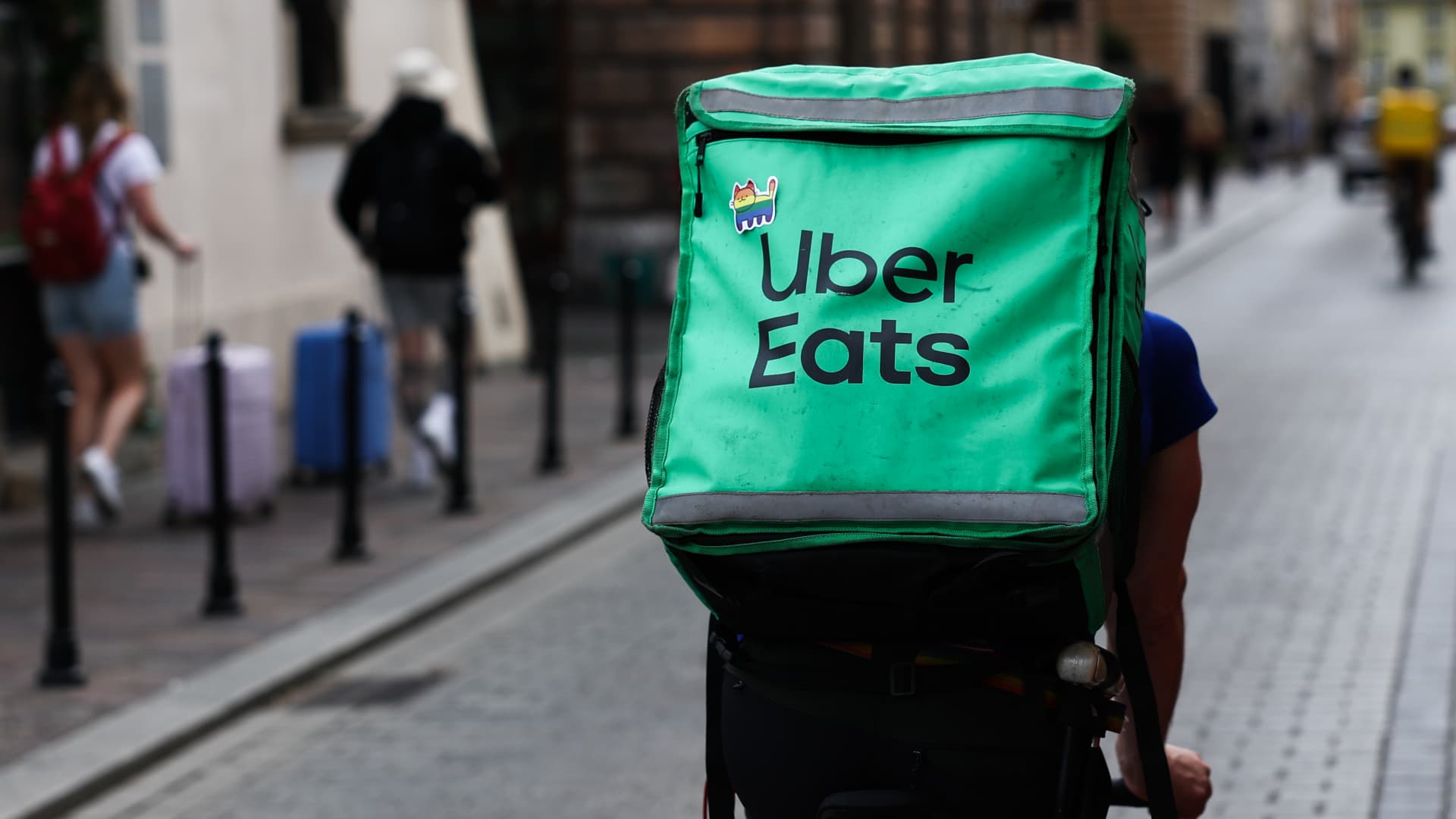
Uber Eats is officially entering the reverse logistics market, launching a new service designed to simplify the often-frustrating process of returning online purchases. By utilizing its massive existing network of couriers, the platform now enables customers to schedule home pickups for retail items, effectively removing the need for consumers to print shipping labels, find packaging materials, or travel to physical drop-off points.
The service has already secured partnerships with major national retailers, including Best Buy, Dick’s Sporting Goods, and Petco. A key differentiator for this new offering is the expedited refund policy; for eligible items valued at $20 or more, customers can receive their funds immediately upon the courier’s verification of the pickup. While the service carries a fee determined by distance and timing, it provides a premium, time-saving alternative for shoppers who prioritize convenience over traditional return methods.
This strategic expansion into post-purchase logistics follows a period of strong financial growth for the company, with its delivery segment recently reporting $4.9 billion in quarterly revenue. By managing the logistics of unpackaged goods and facilitating direct transport to retailers, the company is cementing its role as a vital component of the modern e-commerce ecosystem. The move is clearly aimed at reducing friction throughout the consumer shopping lifecycle, turning a historically cumbersome task into a seamless, on-demand experience.
Key Takeaways
- Uber Eats now offers a home-pickup service for retail returns, eliminating the need for boxes or shipping labels.
- The service features an expedited refund process for items worth $20 or more once the courier verifies the pickup.
- Initial retail partners for the service include major brands like Best Buy, Petco, and Dick's Sporting Goods.
Editor’s Analysis & Impact
The entry of Uber Eats into the retail returns market represents a sophisticated evolution of the ‘last-mile’ delivery model. By repurposing its existing courier infrastructure to handle reverse logistics, the company is effectively addressing one of the most significant pain points in e-commerce: the return process. This move not only diversifies revenue streams beyond food delivery but also creates a ‘sticky’ ecosystem where the platform becomes indispensable to both retailers and consumers. If successful, this could force traditional shipping carriers to rethink their own return strategies. The broader implication is a shift toward a more integrated, service-oriented retail economy where the convenience of the return is as critical to customer loyalty as the initial purchase itself. Expect competitors to follow suit as the demand for frictionless shopping experiences continues to rise.
Frequently Asked Questions
Q: Do I need to pack my items in a box for the Uber Eats return service?
A: No, one of the primary benefits of this service is that couriers can collect unpackaged items, removing the need for customers to find boxes or print shipping labels.
Q: How quickly will I receive my refund?
A: For items valued at $20 or more, the refund process is expedited, with funds typically released as soon as the courier verifies the pickup.
AI Disclosure: This article is based on verified data and official reports. Our Team and AI have cross-referenced every financial detail with primary sources to ensure total accuracy.
More from this Category