Federal Audit Challenges Accuracy of DOGE Cost-Cutting Claims
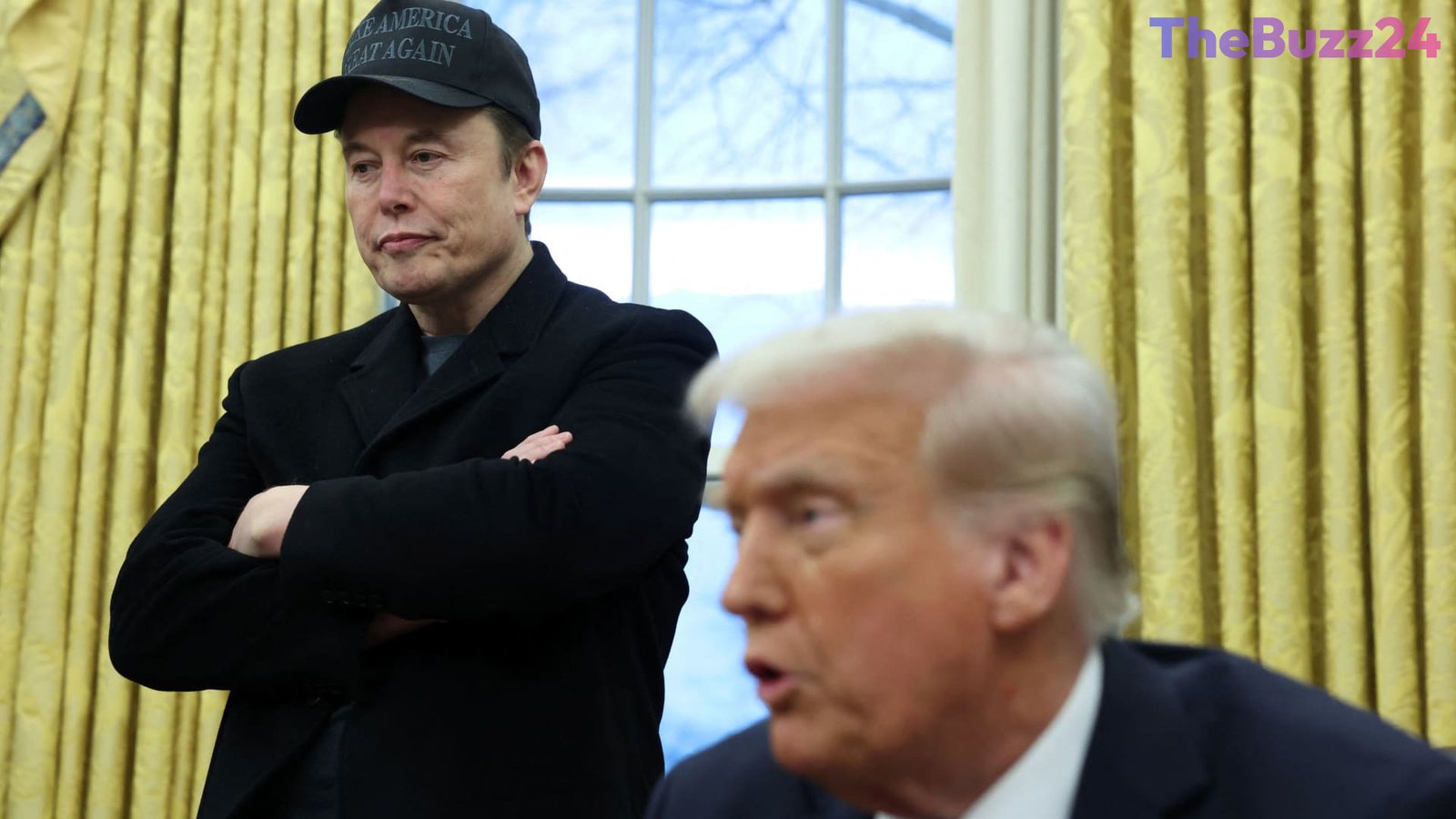
A recent investigation by the Government Accountability Office (GAO) has cast significant doubt on the financial savings reported by the Department of Government Efficiency (DOGE), an initiative led by Elon Musk. The audit scrutinized the $110 billion in federal savings touted on the organization’s ‘Wall of Receipts’ website, concluding that the figures were substantially inflated and lacked the necessary transparency to be considered reliable.
The GAO report, initiated following a request from Senators Gary Peters and Richard Blumenthal, examined claims regarding federal contracts, grants, and leases. Auditors discovered that DOGE frequently took credit for administrative actions that were already underway before the department was established. For instance, the report highlighted that over 100 of the 264 leases cited as savings were already in the termination process prior to the formation of DOGE. Furthermore, the audit revealed that thousands of contracts claimed as terminated by the department remained active.
Beyond the specific discrepancies in lease and contract data, the GAO noted that DOGE reported even higher figures—totaling $215 billion—when including additional, less defined categories. The federal watchdog has formally recommended that the DOGE website include a prominent disclaimer warning users that the data provided is not a reliable source of information. The report also noted that DOGE failed to respond to multiple requests for information or interviews during the audit process.
The findings have sparked sharp criticism regarding the methodology used to justify sweeping cuts to the federal workforce and agency operations. As the government continues to evaluate the impact of these initiatives, the GAO’s assessment suggests that the narrative of massive, efficient cost-cutting may be more a product of creative accounting than actual fiscal reform.
Key Takeaways
- The GAO audit found that the $110 billion in savings claimed by DOGE was significantly overstated and lacked transparency.
- Auditors discovered that many of the 'savings' cited, including lease terminations, were already in progress before DOGE was established.
- The GAO has recommended that the DOGE website display a disclaimer stating that its data is unreliable and contains quality issues.
Editor’s Analysis & Impact
The GAO report serves as a critical reality check on the ‘efficiency’ narrative that has dominated recent discourse regarding federal spending. By exposing the gap between public-facing claims and verifiable data, the audit highlights the risks of bypassing traditional oversight mechanisms in favor of rapid, externalized government restructuring. The market and political implications are significant: this report undermines the credibility of the DOGE initiative and may force a more rigorous, transparent approach to future fiscal policy. For the broader industry, this serves as a cautionary tale about the dangers of ‘data-driven’ claims that lack independent verification. Moving forward, stakeholders should expect increased scrutiny of government-adjacent efficiency projects, as the public and legislative bodies demand higher standards of accountability for claims that impact the federal workforce and national service delivery.
Frequently Asked Questions
Q: What was the primary purpose of the GAO audit regarding DOGE?
A: The audit was requested by senators to verify the accuracy and transparency of the $110 billion in federal savings claimed by Elon Musk's Department of Government Efficiency.
Q: Did the GAO find that DOGE actually saved the government money?
A: The GAO found that many of the claimed savings were unverifiable, inflated, or attributed to actions that were already in progress before DOGE was formed, leading the agency to conclude the data is not a reliable source.
AI Disclosure: This article is based on verified data and official reports. Our Team and AI have cross-referenced every financial detail with primary sources to ensure total accuracy.
More from this Category