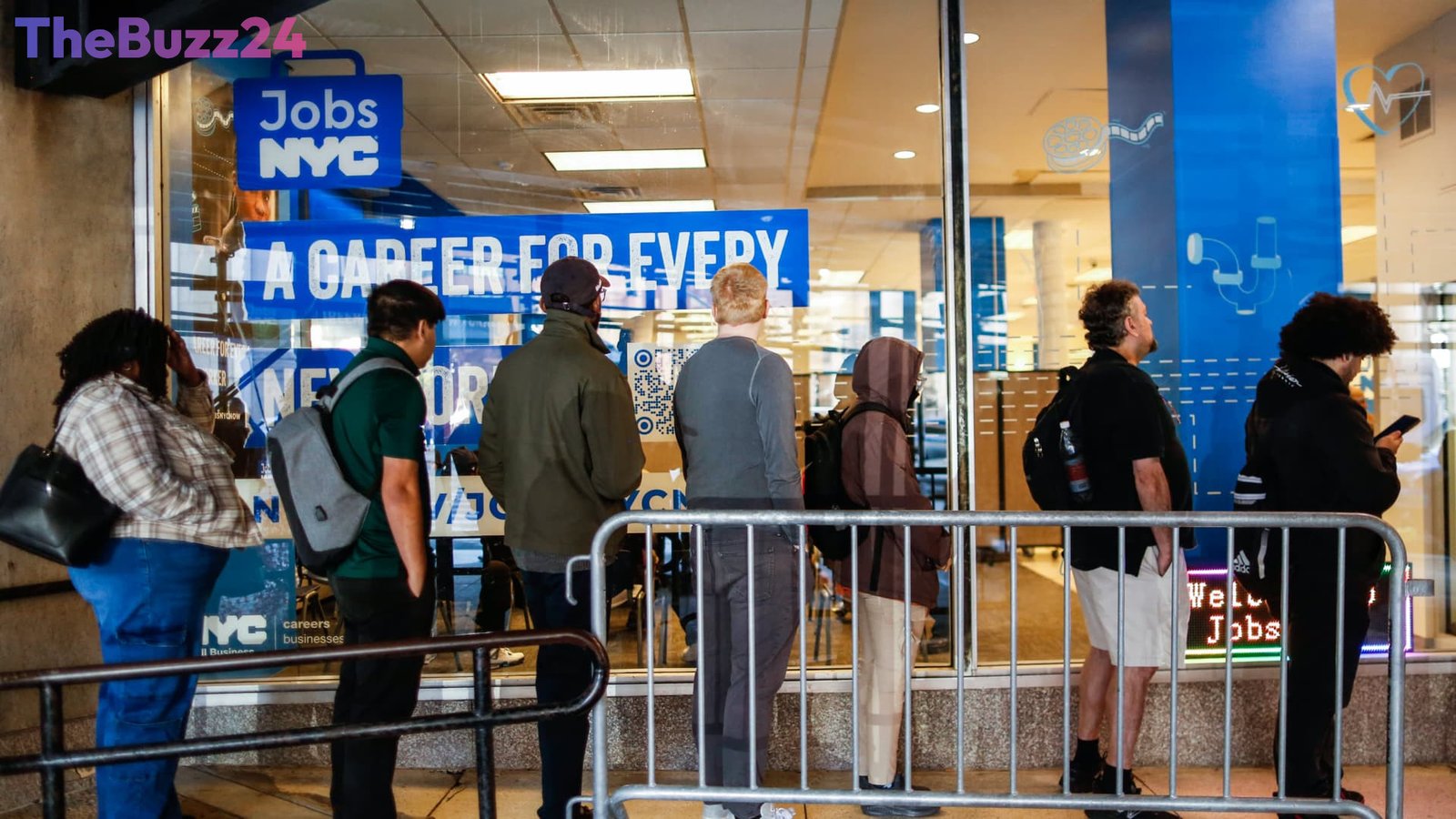
Long-Term Unemployment Surges, Masked by Strong Headline Job Growth
Beneath the surface of recent robust employment figures, a concerning trend is emerging: Americans are taking significantly longer to find new jobs. In October, the average duration of unemployment reached 27.1 weeks, a figure not seen outside of the pandemic period in over a decade. This extended job search, averaging nearly seven months, highlights a growing challenge for those out of work.
The latest data from the Bureau of Labor Statistics reveals that approximately 2 million individuals have been unemployed for at least 27 weeks, constituting 27.6% of the total unemployed population. This marks the highest proportion of long-term unemployed individuals since late 2021. These workers often find themselves in a precarious position, having exhausted most or all of their government unemployment benefits, which typically cap out at 26 weeks.
This shift indicates a “low-hire, low-fire” job market dynamic, where companies are reluctant to lay off staff but are also hesitant to expand their workforces. Economists note that prolonged unemployment can lead to a depletion of savings, reduced future earning potential, and negative impacts on mental health. Furthermore, research suggests that extended periods without work can itself hinder future job prospects, as skills may depreciate, professional networks shrink, and employers may view long durations of unemployment as a negative signal.
While headline job numbers, including strong nonfarm payroll additions and a declining unemployment rate, paint a picture of a healthy labor market, the increasing duration of joblessness presents a starkly different narrative for a significant segment of the workforce. This contrast can create a jarring perception for individuals experiencing extended job searches amidst seemingly positive overall economic indicators.
Key Takeaways
- The average duration of unemployment in the U.S. reached 27.1 weeks in October, the longest outside the pandemic in a decade.
- Nearly 2 million Americans are now considered long-term unemployed, representing over 27% of all jobless individuals.
- This trend suggests a 'low-hire, low-fire' job market, where finding new employment is becoming increasingly difficult, often exceeding the duration of unemployment benefits.
Editor’s Analysis & Impact
The divergence between strong headline job numbers and the rising duration of unemployment presents a complex picture of the U.S. labor market. While overall job creation and low quit rates suggest employer confidence, the increasing difficulty for individuals to secure new employment, particularly for the long-term unemployed, signals underlying structural challenges. This trend could lead to increased economic hardship for a growing segment of the population, potentially impacting consumer spending and social stability. Companies’ hesitancy to hire, coupled with the risk of skill depreciation for job seekers, suggests a need for policy interventions focused on retraining and support for those facing extended periods of joblessness.
Frequently Asked Questions
Q: What is considered 'long-term unemployment'?
A: Long-term unemployment typically refers to individuals who have been jobless for 27 weeks or more.
Q: Why is the duration of unemployment increasing?
A: The increase is attributed to a 'low-hire, low-fire' job market where companies are cautious about hiring new employees and job seekers face longer periods to find suitable positions. This can be exacerbated by skill depreciation and employer perceptions of extended unemployment.
Q: How does this relate to unemployment benefits?
A: In many regions, government unemployment benefits are limited to 26 weeks. As the average duration of unemployment now exceeds this period, a growing number of long-term unemployed individuals have likely exhausted their benefits.
AI Disclosure: This article is based on verified data and official reports. Our Team and AI have cross-referenced every financial detail with primary sources to ensure total accuracy.
More from this Category