Strategic Alliance Formed: Saudi Arabia, Turkey, and Pakistan Ink Mutual Defence Pact
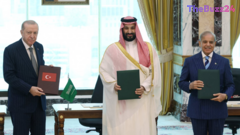
In a significant realignment of regional security, Saudi Arabia, Turkey, and Pakistan have officially entered into a tripartite defence agreement. The pact, signed in the holy city of Mecca, establishes a collective security framework where an act of aggression against one member state is formally recognized as an attack against all three. The agreement was finalized during a high-level summit involving Saudi Crown Prince Mohammed bin Salman, Turkish President Recep Tayyip Erdogan, and Pakistani Prime Minister Shehbaz Sharif.
The formation of this alliance comes as the Middle East faces escalating instability, largely driven by the ongoing conflict between the United States and Iran. With regional shipping lanes in the Red Sea and the Strait of Hormuz increasingly compromised by maritime blockades and attacks on energy infrastructure, the three nations have sought to formalize their cooperation to safeguard their national interests. This move follows previous bilateral security efforts, including a prior defence arrangement between Saudi Arabia and Pakistan.
While the specific operational obligations of the ‘Mecca Joint Defence Agreement’ remain undisclosed, the pact signals a unified stance among these major Sunni powers. The alliance leverages the unique strategic assets of each nation: Saudi Arabia’s substantial financial resources and massive military procurement capabilities, Turkey’s status as a major NATO military power with advanced domestic defence production, and Pakistan’s position as a nuclear-armed state. Officials have characterized the agreement as strictly defensive, aimed at stabilizing a region currently grappling with the fallout of a protracted and widening conflict.
Key Takeaways
- Saudi Arabia, Turkey, and Pakistan have signed a mutual defence pact in Mecca, treating an attack on one as an attack on all three.
- The alliance is a direct response to regional instability and threats to maritime shipping caused by the ongoing conflict between the US and Iran.
- The pact combines the distinct strategic strengths of the three nations, including nuclear capabilities, advanced military production, and significant financial resources.
Editor’s Analysis & Impact
The signing of the Mecca Joint Defence Agreement marks a pivotal shift in the geopolitical architecture of the Middle East and South Asia. By creating a formal security bloc, these three nations are attempting to insulate themselves from the volatility of the US-Iran conflict while reducing their reliance on external security guarantees that have proven inconsistent. From a market perspective, this alliance could lead to increased integration of the regional defence industry, particularly between Turkish manufacturers and Saudi capital. However, the move also risks further polarizing the region, potentially triggering a counter-response from other regional actors. The long-term success of this pact will depend on whether the signatories can move beyond symbolic posturing to establish a functional, interoperable military command structure capable of responding to modern asymmetric threats.
Frequently Asked Questions
Q: What is the primary purpose of the Mecca Joint Defence Agreement?
A: The agreement is a defensive pact designed to provide mutual security and support among Saudi Arabia, Turkey, and Pakistan, effectively creating a collective security umbrella against external aggression.
Q: Does the agreement specify how each country must respond to an attack?
A: The agreement establishes the principle that an attack on one is an attack on all, but it currently lacks specific, public details regarding the exact military or logistical obligations of each member state.
AI Disclosure: This article is based on verified data and official reports. Our Team and AI have cross-referenced every financial detail with primary sources to ensure total accuracy.
More from this Category