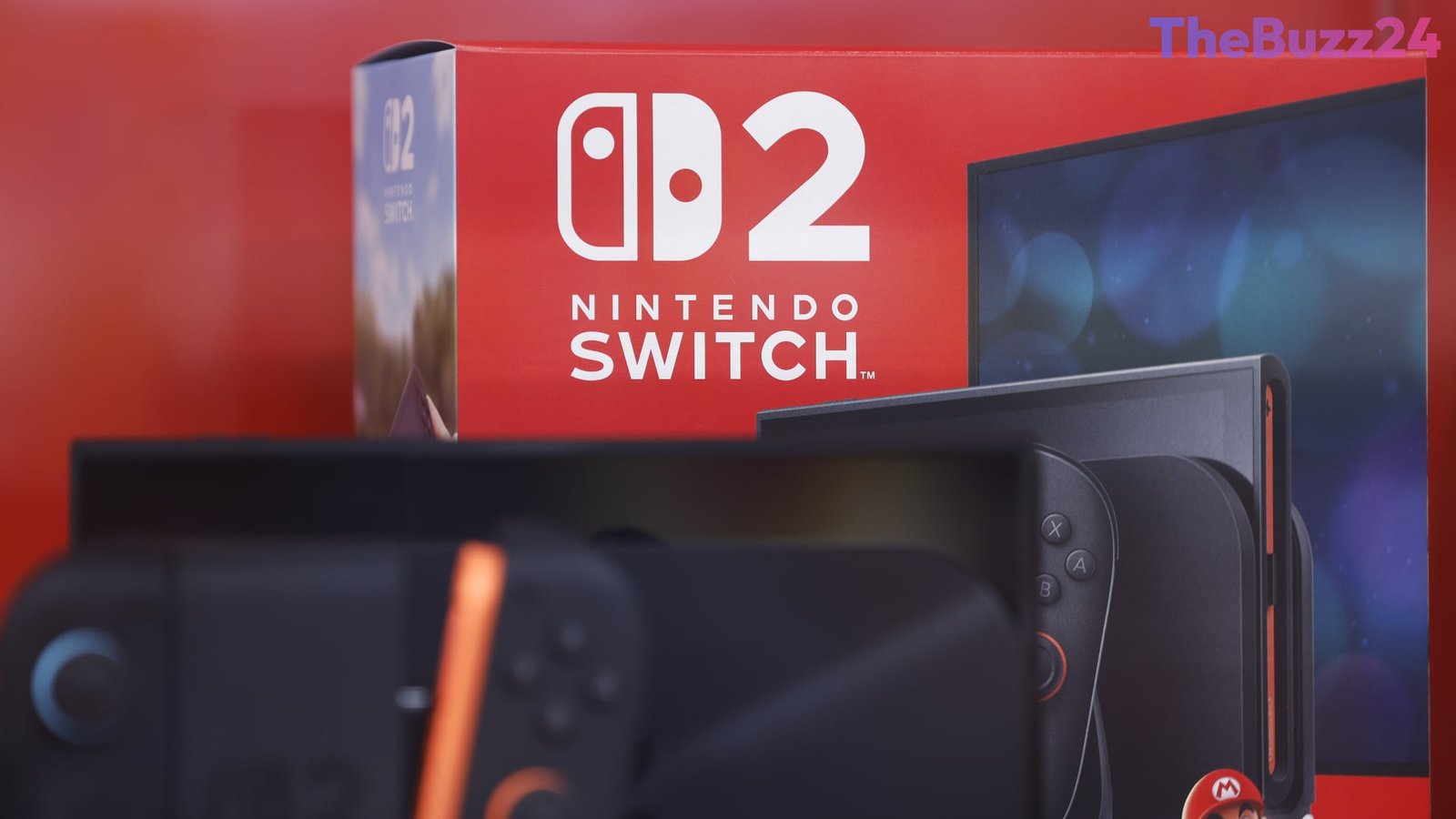
Nintendo Switch 2 Sales Stumble Amid Rising Component Costs and Pricing Shifts
Nintendo has reported a significant downturn in hardware performance for its latest console, the Switch 2, with sales dropping 41% during the quarter ending September 30. The company moved 2.67 million units during this period, a sharp decline from the 3.82 million units sold in the preceding quarter. This cooling demand follows a series of strategic price increases implemented across the United States, Canada, and Japan, necessitated by the escalating costs of memory components.
The global semiconductor market has faced persistent supply constraints and heightened demand, leading to a surge in the price of memory chips—a critical component for the Switch 2. Despite these financial headwinds and a revenue miss, falling short of the 481.37 billion yen expected by analysts, Nintendo has maintained its ambitious annual sales forecast of 16.5 million units for the fiscal year ending in March 2027.
To reinvigorate consumer interest, the company is banking on its software library. While recent titles like ‘Pokémon Pokopia’ provided a surprise boost, the market is now looking toward the recently released remake of ‘The Legend of Zelda: Ocarina of Time’ to drive hardware adoption. Industry observers suggest that while the remake is a significant release, Nintendo will likely need to accelerate its pipeline of marquee titles in the coming fiscal year to sustain momentum in an increasingly competitive and challenging gaming hardware landscape.
Key Takeaways
- Nintendo Switch 2 sales fell 41% year-over-year, totaling 2.67 million units for the quarter.
- Rising memory chip costs forced Nintendo to implement price hikes in key markets including the U.S., Japan, and Canada.
- The company is relying on the 'The Legend of Zelda: Ocarina of Time' remake and future 2027 Pokémon releases to stabilize sales momentum.
Editor’s Analysis & Impact
The current struggle for the Nintendo Switch 2 highlights the precarious nature of hardware margins in the gaming industry. By passing component cost increases onto the consumer, Nintendo has hit a price sensitivity threshold that is clearly impacting unit velocity. The company is now in a ‘software-as-a-lifeline’ scenario; hardware sales are no longer driven by the novelty of the device, but by the strength of the exclusive software catalog. The reliance on remakes like ‘Ocarina of Time’ suggests a conservative strategy to mitigate risk while waiting for the next generation of original IP. Moving forward, Nintendo’s ability to hit its 16.5 million unit target will depend entirely on whether its upcoming software lineup can justify the higher entry price for casual consumers, or if the brand will face a prolonged period of stagnation.
Frequently Asked Questions
Q: Why did Nintendo increase the price of the Switch 2?
A: The price increases were a direct response to the rising costs of memory chips, which are essential components for the console's production.
Q: Has Nintendo changed its annual sales forecast despite the recent slump?
A: No, despite the 41% drop in quarterly sales, Nintendo has maintained its original forecast of selling 16.5 million units for the fiscal year ending in March 2027.
AI Disclosure: This article is based on verified data and official reports. Our Team and AI have cross-referenced every financial detail with primary sources to ensure total accuracy.
More from this Category