LIV Golf Nears Potential Liquidation as Rescue Financing Collapses
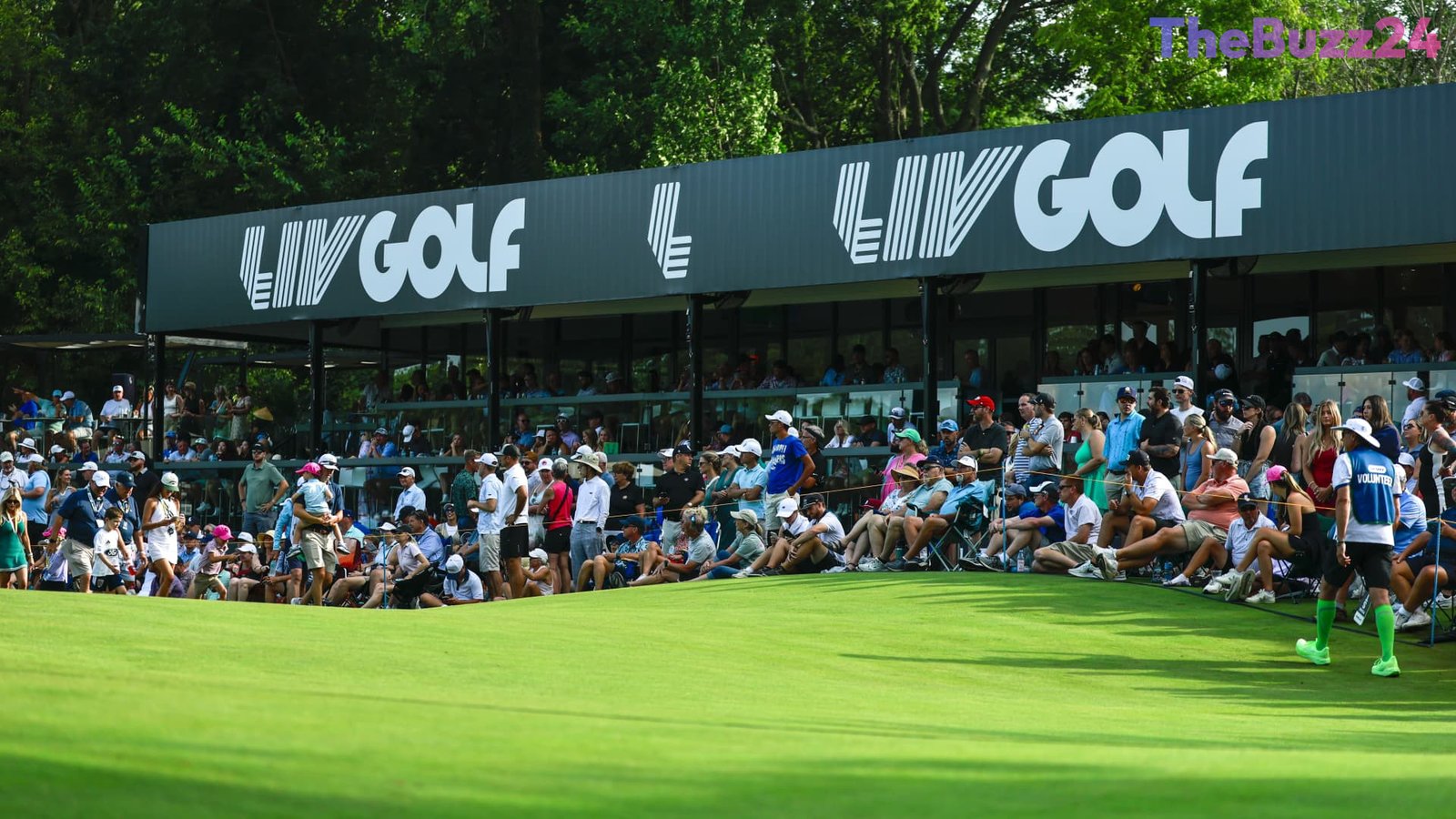
The future of LIV Golf hangs in the balance as the breakaway league faces a critical bankruptcy hearing this Thursday. Plans for a $300 million rescue package, spearheaded by BC Partners, have officially collapsed after the league failed to secure the necessary player commitments required to move forward with a revamped business model, internally referred to as ‘LIV 2.0.’
This development follows a period of intense instability for the organization. In September, Saudi Arabia’s Public Investment Fund (PIF)—which had poured over $5 billion into the venture since its 2022 inception—announced it would cease funding the league after the 2026 season. The proposed BC Partners deal aimed to transition the league into a player-owned entity with a reduced schedule, but the lack of buy-in from top-tier talent effectively derailed the strategy.
Prominent stars, including Jon Rahm and Sergio Garcia, have already moved to exit the league, citing concerns over the organization’s long-term viability and shifting competition formats. With only a handful of players publicly committed to the new vision, the upcoming U.S. bankruptcy court hearing is now expected to pivot toward the liquidation of the league’s remaining assets rather than a successful reorganization.
Since its launch, LIV Golf has been a disruptive force in professional sports, sparking years of legal battles and industry polarization. As the court prepares to weigh the league’s fate, the professional golf landscape faces the prospect of a significant contraction, marking a dramatic end to one of the most expensive and controversial experiments in sports history.
Key Takeaways
- BC Partners has withdrawn a $300 million financing plan intended to save LIV Golf through a player-owned 'LIV 2.0' model.
- The league is currently in Chapter 11 bankruptcy, with an upcoming court hearing likely to focus on the liquidation of assets.
- Major players like Jon Rahm and Sergio Garcia have departed the league, citing uncertainty and dissatisfaction with proposed structural changes.
Editor’s Analysis & Impact
The potential collapse of LIV Golf represents a significant failure of a ‘disruptor’ business model that relied heavily on unlimited capital rather than sustainable revenue streams. By failing to secure player buy-in for a scaled-back version of the league, the organization has demonstrated that its value proposition was inextricably linked to the massive, unsustainable signing bonuses provided by the PIF. The broader implication for professional sports is a cautionary tale regarding the limits of ‘sportswashing’ and capital-intensive market entry. If LIV Golf liquidates, the professional golf world will likely see a consolidation of talent back toward established tours, though the long-term damage to the sport’s unity and the lingering legal complexities from the past three years will remain a challenge for industry regulators and stakeholders for years to come.
Frequently Asked Questions
Q: Why did the rescue plan for LIV Golf fail?
A: The rescue plan failed primarily because the league could not secure enough commitments from its players to support the proposed 'LIV 2.0' model, which would have shifted ownership to the athletes.
Q: What happens next for LIV Golf in bankruptcy court?
A: With the rescue financing off the table, the upcoming bankruptcy hearing is expected to shift its focus toward the liquidation of the league's assets.
AI Disclosure: This article is based on verified data and official reports. Our Team and AI have cross-referenced every financial detail with primary sources to ensure total accuracy.
More from this Category