Global Energy Security at Risk as Strait of Hormuz Bottleneck Persists
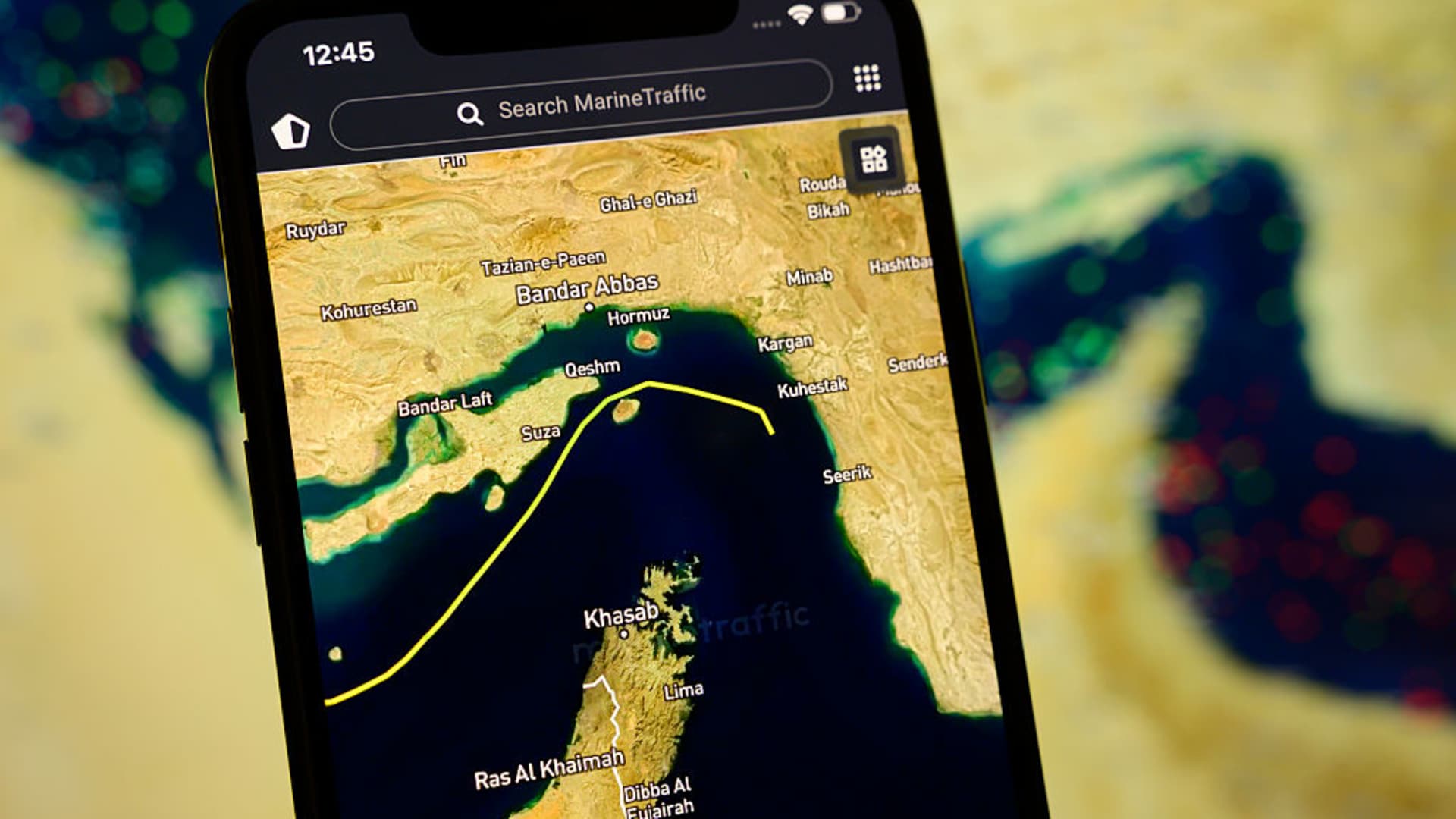
The Strait of Hormuz, a vital artery for global energy transit, remains under restrictive control despite recent ceasefire agreements. Sultan Ahmed Al Jaber, CEO of the Abu Dhabi National Oil Co. (ADNOC), has voiced significant alarm over the current state of the waterway, where Iranian authorities are enforcing a mandatory, conditioned access system. Under these protocols, vessels are required to secure explicit permission from Iranian officials to transit, a practice that many maritime experts argue constitutes a violation of international law and a form of geopolitical leverage.
Although the initial announcement of a ceasefire offered a temporary sense of stability to global oil markets, current shipping data paints a more precarious picture. The waterway is effectively at a standstill, with approximately 230 oil tankers currently stranded in the Gulf. These vessels are unable to reach international markets, creating a severe supply bottleneck that threatens to destabilize the global energy sector as existing inventories begin to deplete.
The economic consequences of this blockade are substantial, given that the Strait of Hormuz historically facilitates the movement of roughly 20% of the world’s oil supply. Leadership at ADNOC has cautioned that the situation is rapidly escalating from a logistical challenge into a systemic economic crisis. This supply scarcity is expected to trigger significant price volatility, with far-reaching impacts on industrial manufacturing costs and the daily expenses of households worldwide.
Restoring stability to the energy market hinges on the full and unrestricted reopening of the maritime passage, a primary requirement of the ceasefire that has yet to be fulfilled. International observers emphasize that the current system of controlled access is entirely inadequate for the demands of global trade. As the standoff continues, the mounting pressure on the global economy underscores the urgent need for diplomatic intervention to secure the waterway and restore the flow of essential energy resources.
Key Takeaways
- Iranian authorities are enforcing mandatory, conditioned access for vessels in the Strait of Hormuz, violating international maritime norms.
- Approximately 230 oil tankers are currently stranded, threatening to disrupt the flow of 20% of the world's oil supply.
- The ongoing blockade is transitioning into a systemic economic crisis, likely leading to increased global price volatility and inflationary pressure.
Editor’s Analysis & Impact
The continued restriction of the Strait of Hormuz represents a critical geopolitical and economic risk that threatens to derail global recovery efforts. By controlling one of the world’s most vital energy chokepoints, Iran is exerting immense leverage over international markets, effectively weaponizing energy logistics. The market impact is twofold: immediate supply-side shocks as tankers remain idle, and long-term inflationary pressure as energy costs rise due to supply scarcity. If the current ‘controlled access’ persists, we anticipate a sustained period of volatility in oil futures and a potential shift in global shipping routes, which would further increase operational costs. The failure to uphold the ceasefire terms regarding maritime freedom suggests that diplomatic solutions remain fragile, and the global economy will likely remain vulnerable to further supply chain disruptions until the passage is fully restored to international standards.
Frequently Asked Questions
Q: Why is the Strait of Hormuz considered critical to the global economy?
A: The Strait of Hormuz is a vital maritime chokepoint that historically accounts for approximately 20% of the world's total oil supply, making it essential for global energy security.
Q: What is the current status of oil tankers in the region?
A: Currently, about 230 oil tankers are stranded in the Gulf, unable to transit the strait to deliver their cargo to international markets due to Iranian-imposed restrictions.
AI Disclosure: This article is based on verified data and official reports. Our Team and AI have cross-referenced every financial detail with primary sources to ensure total accuracy.
More from this Category