Hurricane Lala Batters Hawaii: Thousands Without Power as Life-Threatening Floods Loom
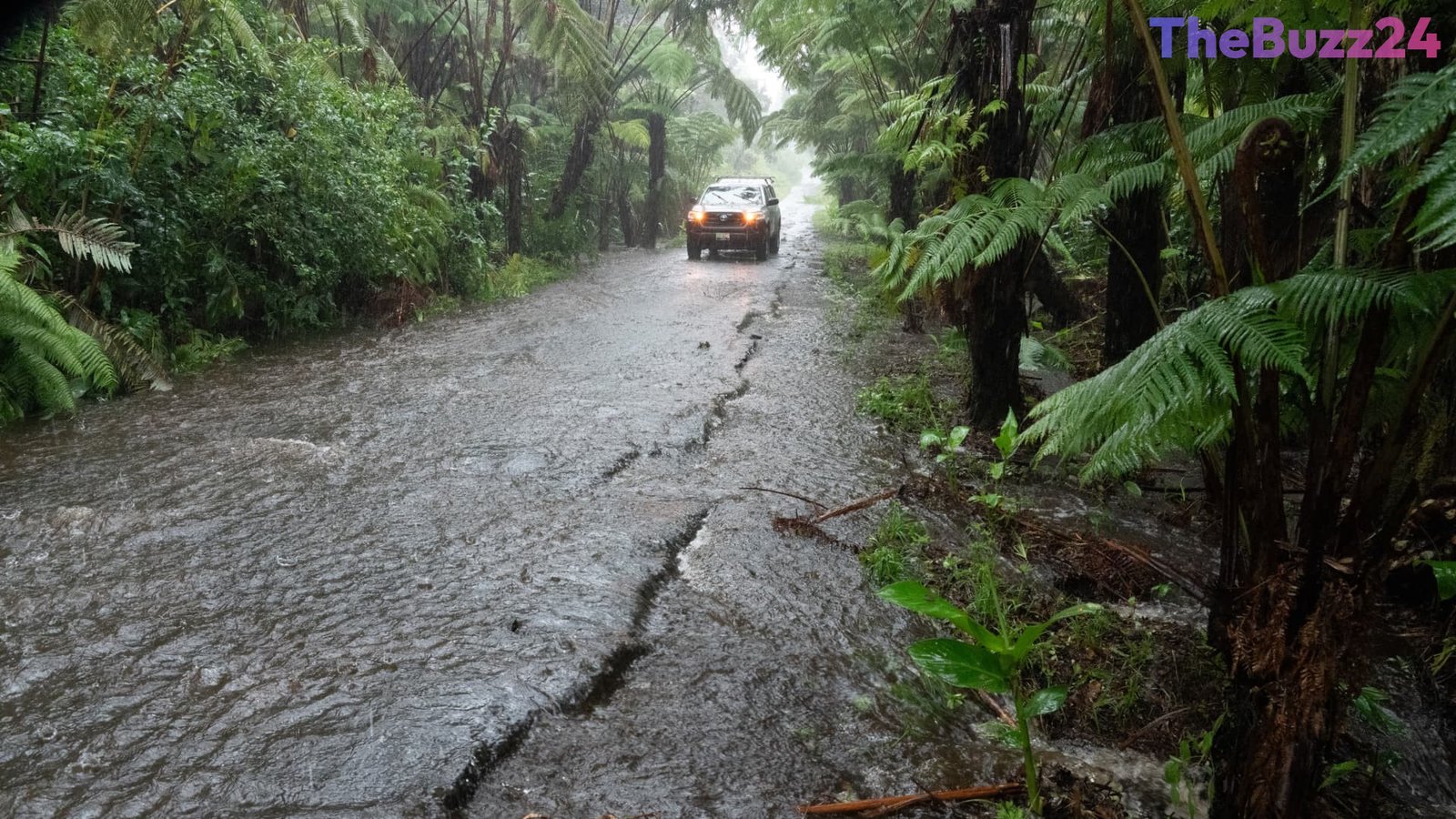
Hurricane Lala has made a severe impact on Hawaii, leaving over 40,000 utility customers in the dark as the storm brings dangerous winds and torrential rainfall to the islands. The Category 1 hurricane, which reached sustained wind speeds of 75 mph, has triggered widespread infrastructure damage, particularly on the Big Island and throughout Maui County.
Emergency officials have issued urgent warnings regarding life-threatening conditions, with meteorologists forecasting up to 25 inches of rain in certain areas. This extreme precipitation is expected to cause significant flooding and dangerous mudslides, particularly in regions characterized by steep terrain. The Maunakea Weather Center reported wind gusts exceeding 100 mph at higher elevations, further complicating the situation for local infrastructure.
Hawaiian Electric has cautioned residents that power outages could be extended, as crews struggle to access damaged transmission lines. On the Big Island’s Hamakua Coast, fallen trees have decimated multiple utility poles, forcing repair teams to assess extensive damage across a 42-mile stretch. In response to the escalating threat, the Hawaii Department of Transportation has shuttered major airports, including Hilo International and Ellison Onizuka Kona International, while also closing commercial ports across the affected islands to ensure public safety.
Key Takeaways
- Hurricane Lala has caused power outages for over 40,000 customers across Hawaii, with the Big Island and Maui County hit hardest.
- Meteorologists are warning of up to 25 inches of rain, which poses a high risk of life-threatening flooding and mudslides.
- Major transportation hubs, including Hilo and Kona international airports and commercial ports, have been closed due to the storm's intensity.
Editor’s Analysis & Impact
The arrival of Hurricane Lala highlights the ongoing vulnerability of Hawaii’s isolated power grid to extreme weather events. The reliance on overhead transmission lines in rugged, mountainous terrain creates a recurring challenge for utility providers, often leading to prolonged recovery times after major storms. From an economic perspective, the closure of key airports and commercial ports disrupts the state’s tourism and supply chain sectors, which are vital to the local economy. As climate patterns shift, the frequency and intensity of such storms necessitate a long-term strategy focused on grid hardening and infrastructure resilience. Future outlooks suggest that utility companies will face increasing pressure to invest in undergrounding lines and diversifying energy sources to mitigate the impact of future climate-driven disasters.
Frequently Asked Questions
Q: What is the current status of power restoration in Hawaii?
A: Utility companies have warned that outages may be extended, potentially lasting overnight or longer, as crews work to clear debris and repair damaged transmission lines.
Q: Are airports currently operating in Hawaii during the storm?
A: No, the Hawaii Department of Transportation has closed Hilo International Airport, Ellison Onizuka Kona International Airport, and commercial ports across the affected islands to ensure safety.
AI Disclosure: This article is based on verified data and official reports. Our Team and AI have cross-referenced every financial detail with primary sources to ensure total accuracy.
More from this Category