JD Vance Leads High-Stakes Diplomatic Mission to Resolve Iran Conflict
Vice President JD Vance has arrived in Islamabad, Pakistan, to spearhead a pivotal United States delegation tasked with negotiating a permanent resolution to the ongoing conflict with Iran. This diplomatic mission marks a critical juncture for the current administration, as it seeks to address the multifaceted regional tensions and global economic instability that have persisted following months of military engagement in the Middle East.
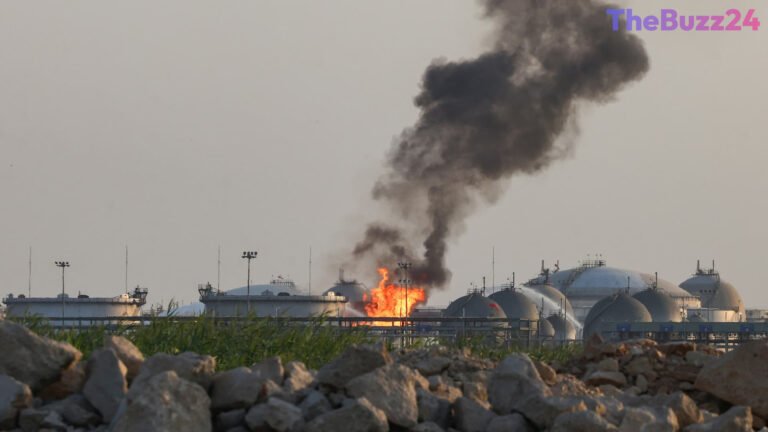
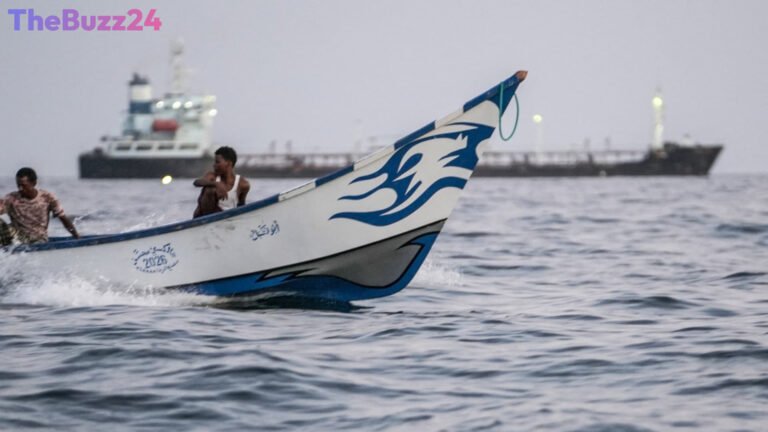
The diplomatic effort unfolds against a backdrop of shifting rhetoric from the White House, where the administration has oscillated between calls for immediate de-escalation and assertive warnings directed at the Iranian government. The primary objective of the mission is to secure a durable peace agreement that would stabilize the region and restore security to essential maritime corridors, most notably the Strait of Hormuz. However, the path to a resolution remains fraught with political complexity.
For Vance, the assignment represents a significant test of his diplomatic capabilities, particularly given his background as a proponent of a more restrained American foreign policy. He must now reconcile his personal skepticism toward overseas military entanglements with the administration’s broader strategic goals. The Vice President is navigating a delicate balance, aiming to satisfy the security concerns of international allies while addressing the demands of a domestic audience that remains deeply divided over the scope of American involvement in foreign conflicts.
Supported by a team that includes special envoy Steve Witkoff and Jared Kushner, the delegation is focused on moving past the current fragile ceasefire. The ultimate goal is to establish a comprehensive framework that addresses Iran’s nuclear ambitions while fostering long-term regional stability. The success of these negotiations is widely viewed as a defining challenge for the administration’s foreign policy legacy.
Key Takeaways
- Vice President JD Vance is leading a high-level delegation in Islamabad to negotiate a permanent peace deal with Iran.
- The mission aims to stabilize the Middle East and secure critical maritime routes like the Strait of Hormuz.
- Vance must balance his personal history of foreign policy restraint with the administration's strategic 'America First' objectives.
Editor’s Analysis & Impact
The deployment of Vice President JD Vance to Islamabad signals a strategic pivot toward high-level, direct diplomacy to resolve the protracted Iran conflict. By tasking a figure known for his non-interventionist roots with such a critical mission, the administration is attempting to bridge the gap between its populist base and the realities of global statecraft. The inclusion of experienced negotiators like Jared Kushner and Steve Witkoff suggests a desire to leverage past diplomatic frameworks while seeking a fresh breakthrough. If successful, this mission could significantly lower global energy prices and reduce the risk of a wider regional war. However, the inherent volatility of the current geopolitical landscape means that any misstep could further entrench the conflict, leaving the administration vulnerable to criticism regarding its long-term foreign policy efficacy and regional influence.
Frequently Asked Questions
Q: What is the primary goal of the delegation led by JD Vance?
A: The primary goal is to move beyond the current fragile ceasefire and negotiate a comprehensive, permanent peace agreement that addresses Iran's nuclear program and ensures regional stability.
Q: Who is accompanying the Vice President on this diplomatic mission?
A: The delegation includes key figures such as special envoy Steve Witkoff and Jared Kushner, both of whom have been involved in previous diplomatic initiatives.
AI Disclosure: This article is based on verified data and official reports. Our Team and AI have cross-referenced every financial detail with primary sources to ensure total accuracy.
More from this Category