Can a Smart Ring Save the AI Wearable Market? Sandbar Bets Big on Voice and User Control
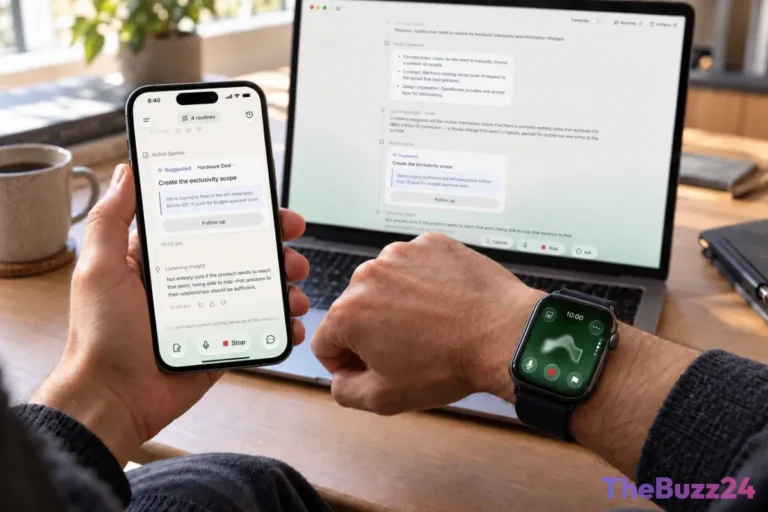
The market for AI-powered note-taking hardware has expanded rapidly over the last few years, with consumers seeing an influx of devices ranging from smart pendants and pins to transcribing earbuds. These gadgets promise to seamlessly record meetings, generate summaries, and organize action items. Now, a new wave of wearable technology is emerging, with a specific focus on smart rings designed to capture spontaneous thoughts and ideas on the go.
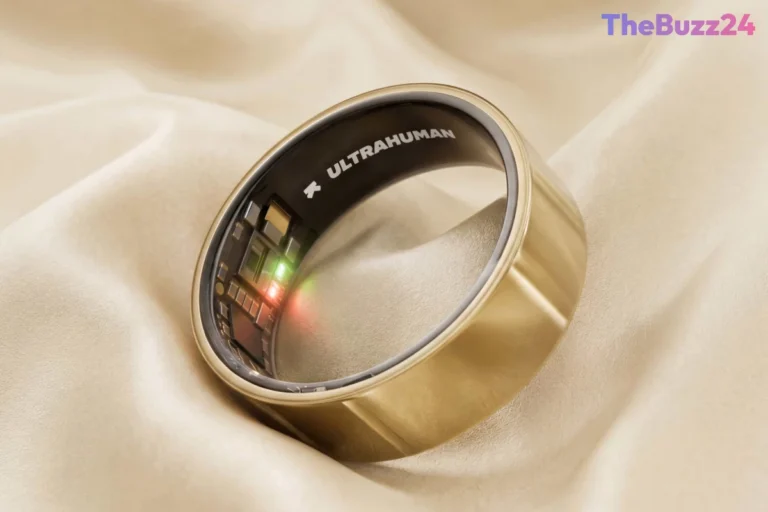
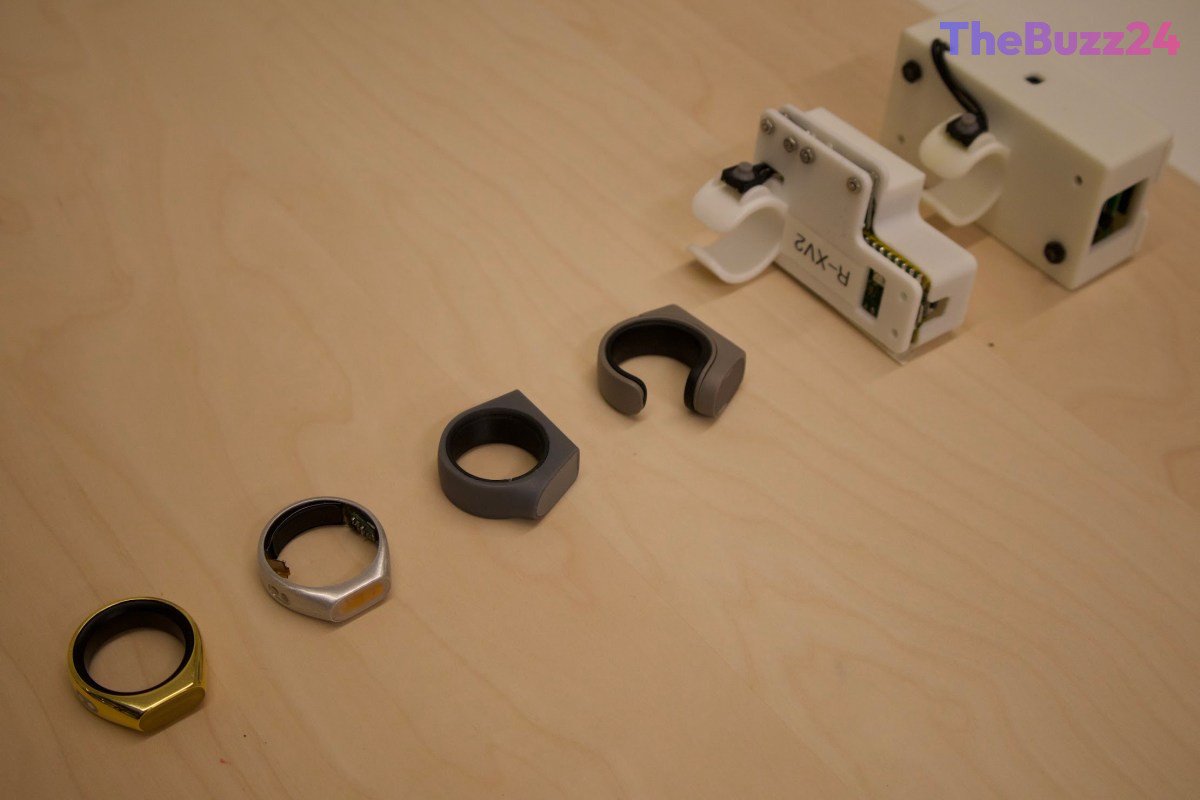
At the forefront of this movement is Sandbar, a hardware startup behind the “Stream” private voice ring. The company has successfully secured $36 million in total funding, bolstered by a recent $23 million Series A funding round led by venture capital firms Adjacent and Kindred Ventures. Sandbar’s approach aims to refine how users interact with voice-activated technology by integrating it into a sleek, unobtrusive ring format.
Sandbar’s co-founder and CEO, Mina Fahmi, believes that previous voice-enabled hardware devices failed to gain mainstream traction because they lacked user-centric design. According to Fahmi, the key to unlocking the potential of wearable AI is keeping the human user firmly in control of the technology, rather than letting the device passively record or dictate the interaction. By focusing on intentional voice capture, the Stream ring aims to overcome the privacy and usability hurdles that have plagued earlier AI wearables.
Key Takeaways
- Sandbar, the creator of the Stream voice ring, has raised $36 million to date, including a $23 million Series A round.
- The startup is targeting the growing AI wearable market by focusing on a ring form factor designed to capture spontaneous thoughts and voice notes.
- CEO Mina Fahmi attributes the failure of past voice hardware to a lack of user control, positioning Stream as a more intentional, user-centric alternative.
Editor’s Analysis & Impact
The wearable AI market has experienced a turbulent start, with high-profile hardware launches often failing to live up to software-driven expectations. Sandbar’s focus on a smart ring form factor, specifically optimized for voice, represents a strategic pivot toward micro-interactions rather than continuous ambient monitoring. By securing $36 million in funding, Sandbar has the runway to address the hardware limitations—such as battery life and microphone accuracy—that have hindered its predecessors. However, the success of the Stream ring will ultimately depend on consumer willingness to adopt yet another screenless device. If Sandbar can successfully balance seamless voice capture with robust privacy controls, it could carve out a highly profitable niche in the productivity sector, paving the way for a broader acceptance of specialized AI accessories.
Frequently Asked Questions
Q: What is the Sandbar Stream?
A: Stream is a private voice-capturing smart ring developed by startup Sandbar, designed to help users record thoughts, ideas, and notes hands-free.
Q: How much funding has Sandbar raised?
A: Sandbar has raised a total of $36 million, which includes a $23 million Series A funding round led by Adjacent and Kindred Ventures.
Q: Why does Sandbar believe other voice wearables have struggled?
A: Sandbar's leadership believes previous devices failed because they did not keep the user in control, whereas Stream focuses on intentional, user-driven interactions.
AI Disclosure: This article is based on verified data and official reports. Our Team and AI have cross-referenced every financial detail with primary sources to ensure total accuracy.
More from this Category