Global Markets Reel as U.S. Enforces Naval Blockade in Strait of Hormuz
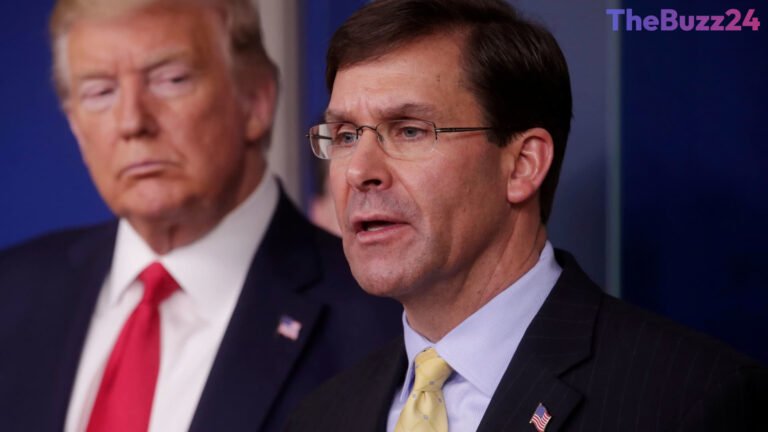
Global financial markets experienced a sharp downturn on Monday following the U.S. military’s decision to implement a naval blockade of the Strait of Hormuz. The strategic move follows the collapse of high-level diplomatic negotiations in Islamabad, where U.S. officials and Iranian representatives failed to reach an agreement concerning nuclear proliferation and maritime security. The breakdown of these talks effectively terminated a brief two-week period of relative stability, sending shockwaves through international trading floors.
U.S. Central Command confirmed that the blockade is designed to restrict all maritime traffic moving to or from Iranian ports. While officials have indicated that vessels transiting the strait to non-Iranian destinations should remain unaffected, the announcement has sparked intense anxiety regarding the security of global energy supply chains. The sudden escalation has placed significant downward pressure on major U.S. stock indices, including the Dow Jones Industrial Average, the S&P 500, and the Nasdaq-100, as investors move to mitigate risk in an increasingly volatile environment.
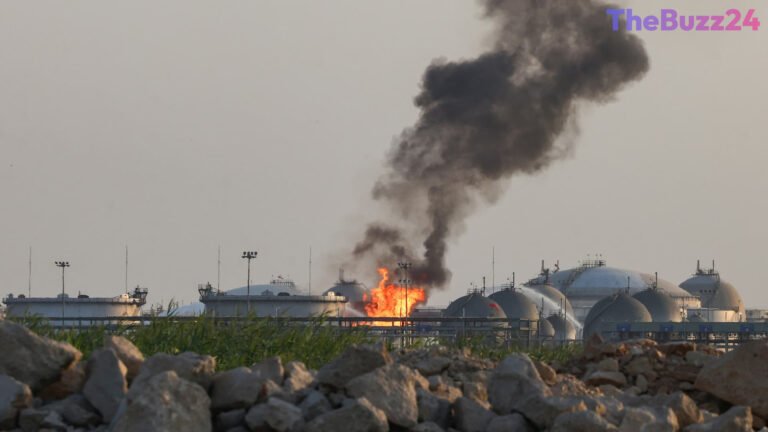
Energy markets were among the first to show the impact of the blockade, with West Texas Intermediate crude oil surging 8.1% to reach $104.38 per barrel, while Brent crude saw a similar increase of 7.8% to $102.64. This rapid rise in energy costs threatens to fuel global inflation, further complicating the economic landscape. International markets, including the Nikkei 225 and the Kospi, also finished the trading session in the red. As the financial sector prepares for the upcoming first-quarter earnings season, major institutions such as JPMorgan Chase, Goldman Sachs, and Bank of America are expected to navigate a period of heightened uncertainty and market instability.
Key Takeaways
- A U.S. naval blockade of the Strait of Hormuz has been enacted following the failure of diplomatic talks with Iran.
- Crude oil prices spiked by over 8% in immediate response to the heightened geopolitical tensions.
- Global stock markets and major indices are facing significant volatility as investors brace for potential supply chain disruptions.
Editor’s Analysis & Impact
The implementation of a naval blockade in the Strait of Hormuz is a major geopolitical event with severe implications for the global economy. As a critical chokepoint for international oil transit, any restriction in this region inevitably triggers a supply shock, as evidenced by the immediate surge in crude prices. This inflationary pressure arrives at a precarious time, potentially forcing central banks to pivot their monetary strategies to combat rising costs. Furthermore, the timing of this crisis—occurring just as the U.S. banking sector begins its first-quarter earnings reports—creates a volatile environment for investors. If the blockade remains in place, we can expect sustained market turbulence, increased operational costs for energy-dependent sectors, and a potential cooling of consumer spending as the broader economic impact of the conflict unfolds.
Frequently Asked Questions
Q: What is the primary objective of the U.S. naval blockade in the Strait of Hormuz?
A: The blockade is intended to restrict all maritime traffic entering or exiting Iranian ports following the failure of diplomatic negotiations regarding nuclear ambitions and regional maritime control.
Q: Are all vessels passing through the Strait of Hormuz being blocked?
A: No. According to U.S. officials, the blockade is specifically targeted at vessels bound for or departing from Iranian ports, while transit to non-Iranian destinations is intended to remain unaffected.
Q: Why did the recent diplomatic talks in Islamabad fail?
A: The negotiations concluded without a resolution due to deep-seated disagreements over Iran's nuclear program, demands for the release of frozen assets, and disputes regarding war reparations.
AI Disclosure: This article is based on verified data and official reports. Our Team and AI have cross-referenced every financial detail with primary sources to ensure total accuracy.
More from this Category