California Energy Security Under Pressure as Global Supply Chains Falter
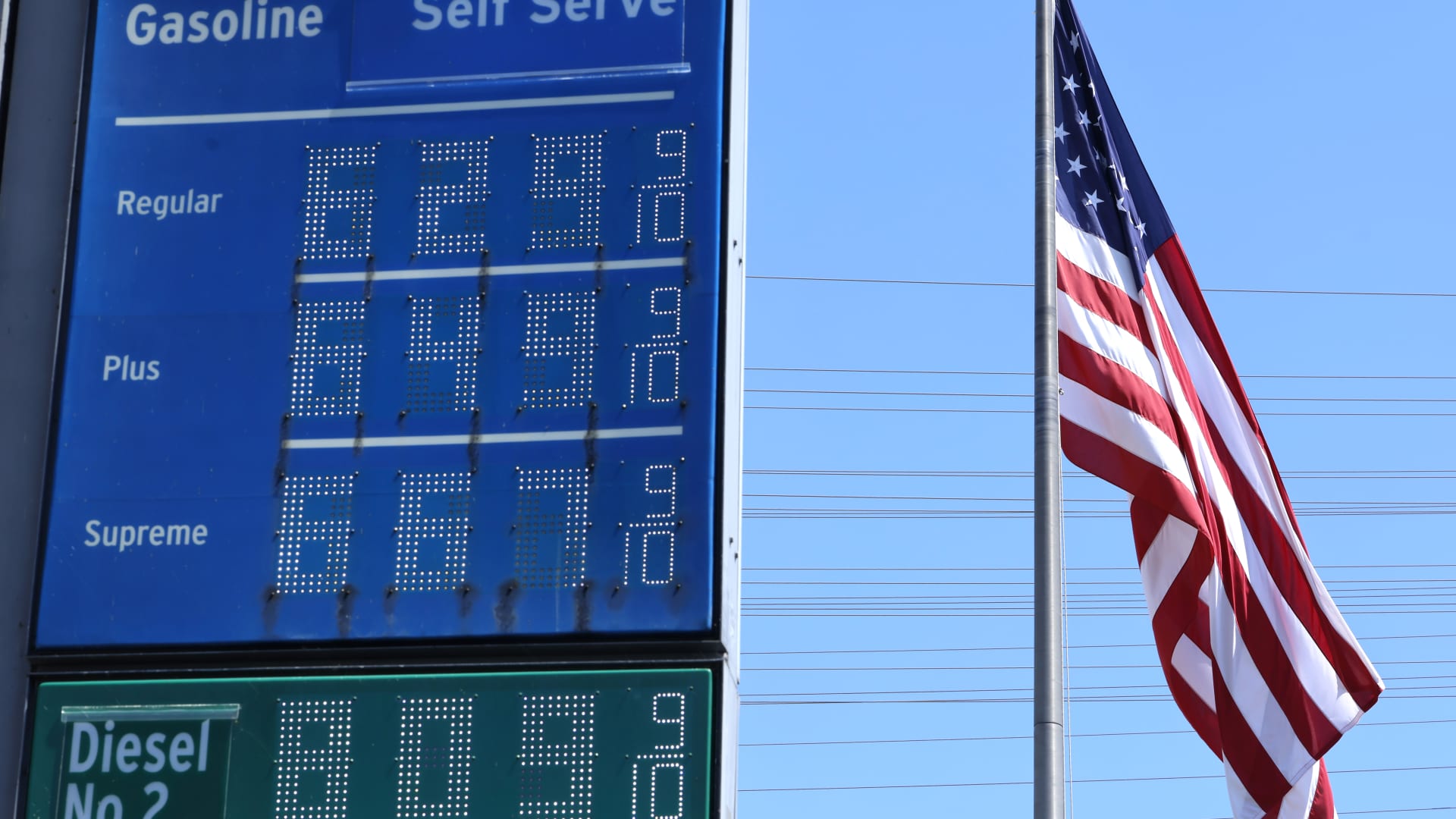
The escalation of geopolitical tensions in the Middle East has triggered a significant disruption in global energy markets, most notably impacting the flow of oil through the Strait of Hormuz. Since the onset of hostilities in late February, maritime traffic through this vital energy artery has dropped by more than 90%, creating a ripple effect that is being felt acutely in the United States. While the national average for gasoline remains relatively stable, California is experiencing a severe energy crunch, with pump prices for regular gasoline surging to $5.89 per gallon and diesel reaching record highs of $7.75 per gallon.
California’s vulnerability stems from its unique market structure and reliance on international imports. The state requires specialized fuel formulations that increase production costs, and its limited pipeline connectivity to the U.S. Gulf Coast forces it to source approximately 75% of its crude oil from abroad. Because California is deeply integrated into the Asian energy supply chain, it is particularly susceptible to shifts in that region. Countries like South Korea and India, which typically supply refined products to the West Coast, have seen their own inventories dwindle, leading to export caps that further tighten supply for California.
Industry experts, including leadership at Chevron, have warned that the state’s reliance on these international trade routes poses a long-term risk to energy security. As Asian suppliers prioritize their own domestic needs or demand higher premiums to divert fuel to the U.S., California faces the dual threat of sustained high prices and potential fuel scarcity. This situation highlights the precarious nature of the state’s energy infrastructure and the challenges of maintaining stability in an increasingly volatile global market.
Key Takeaways
- Geopolitical instability in the Middle East has reduced traffic through the Strait of Hormuz by over 90%, disrupting global oil supplies.
- California is uniquely exposed to these disruptions because it imports 75% of its crude oil and relies heavily on Asian supply chains for refined products.
- Stricter state fuel mandates and limited pipeline access to domestic Gulf Coast supplies are exacerbating the price surge and supply risks for California consumers.
Editor’s Analysis & Impact
The current energy crisis in California serves as a stark case study on the risks of regional over-reliance on globalized supply chains for essential commodities. By tethering its fuel supply to Asian markets rather than domestic pipelines, California has effectively outsourced its energy security to a region highly sensitive to Middle Eastern volatility. The market impact is twofold: immediate inflationary pressure on consumers and a long-term strategic threat to industrial stability. Moving forward, this crisis will likely reignite debates regarding the necessity of expanding domestic pipeline infrastructure and diversifying energy sources. If global tensions persist, the state may be forced to reconsider its regulatory environment to incentivize local production or risk recurring supply shocks that could stifle economic growth and increase the cost of living for residents.
Frequently Asked Questions
Q: Why are gas prices in California significantly higher than the national average?
A: California requires unique, stricter fuel formulations that are more expensive to produce. Additionally, the state lacks sufficient pipeline connections to the U.S. Gulf Coast, forcing it to import the vast majority of its crude oil and refined products from international markets.
Q: How does the conflict in the Middle East affect California's fuel supply?
A: The conflict has disrupted shipping through the Strait of Hormuz, reducing the global supply of crude oil. Because California relies on Asian countries to refine and supply its fuel, the shortage of Middle Eastern oil in Asia has caused those suppliers to limit exports to California, leading to higher prices and potential scarcity.
AI Disclosure: This article is based on verified data and official reports. Our Team and AI have cross-referenced every financial detail with primary sources to ensure total accuracy.
More from this Category