Systemic Failures Linked to Alarming HIV Outbreak Among Children in Pakistan
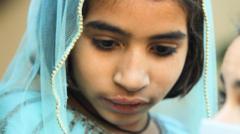
A harrowing HIV outbreak has gripped Taunsa, a city in Pakistan’s Punjab province, where over 330 children have tested positive for the virus between late 2024 and late 2025. Families of the affected children, including those of 10-year-old Asma and her brother, have pointed to unsafe medical practices at the government-run THQ Taunsa hospital as the primary source of transmission. The crisis came to light after local medical professionals observed a disturbing spike in pediatric HIV cases, all linked to prior treatments at the facility.
Despite official promises of reform and the suspension of hospital leadership in early 2025, investigations suggest that dangerous clinical habits remain entrenched. Undercover documentation captured at the hospital revealed staff frequently reusing syringes on multi-dose vials and administering medication to multiple patients from the same source. Furthermore, medical personnel were observed operating without sterile gloves, and waste management protocols were routinely ignored. Experts warn that even when needles are changed, the contamination of the syringe body itself creates a high risk of viral transmission.
While current hospital administration has questioned the validity of these findings, independent reports from international health organizations have corroborated the presence of systemic negligence. These reports highlight critical shortages of medical supplies and a lack of basic hygiene infrastructure, which often force staff to cut corners. The situation in Taunsa is part of a broader, recurring pattern of healthcare-related outbreaks across Pakistan, where a cultural preference for unnecessary injections, combined with inadequate oversight, continues to endanger vulnerable populations.
The long-term impact on these children is profound, as they now face a lifetime of medical treatment and the heavy burden of social stigma. As the healthcare system struggles to address these deep-seated issues, the families of the victims are left to navigate the consequences of preventable medical errors, while the children themselves remain caught in a cycle of systemic failure.
Key Takeaways
- Over 330 children in Taunsa, Pakistan, have been diagnosed with HIV following treatment at a local government hospital.
- Investigations and undercover footage confirm the reuse of syringes and a lack of sterile practices, which are primary drivers of the transmission.
- The outbreak highlights systemic issues in the Pakistani healthcare sector, including supply shortages and a reliance on unnecessary injections.
Editor’s Analysis & Impact
The HIV outbreak in Taunsa serves as a grim indictment of the systemic vulnerabilities within Pakistan’s public healthcare infrastructure. The crisis is not merely a result of individual negligence but reflects a deeper failure in regulatory oversight, supply chain management, and clinical training. The industry-wide preference for injections over oral medication, often driven by patient demand and lack of education, creates a high-risk environment when combined with resource scarcity. Moving forward, the government faces immense pressure to implement rigorous infection control audits and modernize medical waste disposal protocols. Failure to address these structural deficiencies will likely lead to further preventable outbreaks, eroding public trust in state-run medical facilities and placing an unsustainable long-term burden on the nation’s health resources.
Frequently Asked Questions
Q: What is the primary cause of the HIV outbreak in Taunsa?
A: The outbreak is primarily linked to unsafe medical practices at the THQ Taunsa hospital, specifically the reuse of syringes and the contamination of multi-dose medicine vials.
Q: Are these incidents isolated to the Taunsa hospital?
A: No, similar outbreaks have been documented in other parts of Pakistan, including Ratodero and Karachi, where reuse of contaminated medical equipment has been identified as a recurring factor.
AI Disclosure: This article is based on verified data and official reports. Our Team and AI have cross-referenced every financial detail with primary sources to ensure total accuracy.
More from this Category