LVMH Faces Market Headwinds as Geopolitical Instability Impacts Luxury Sales
LVMH shares experienced a notable decline this week following a quarterly earnings report that failed to meet analyst expectations. While the luxury conglomerate demonstrated some resilience in its core operations, the overall growth trajectory was hampered by a 1% sales contraction directly linked to the escalating conflict in the Middle East. Organic growth for the period stalled at 1%, falling short of the 1.5% benchmark projected by market observers.
During an investor briefing, Chief Financial Officer Cécile Cabanis highlighted the severity of the regional disruption, noting that specific business segments suffered demand drops ranging from 30% to 70% during March. Although the Middle East represents roughly 6% of the group’s total revenue, the geopolitical uncertainty has triggered a wave of investor caution. While management expressed optimism that regional wealth remains intact and could eventually be reallocated to other markets, the timeline for such a recovery remains speculative.
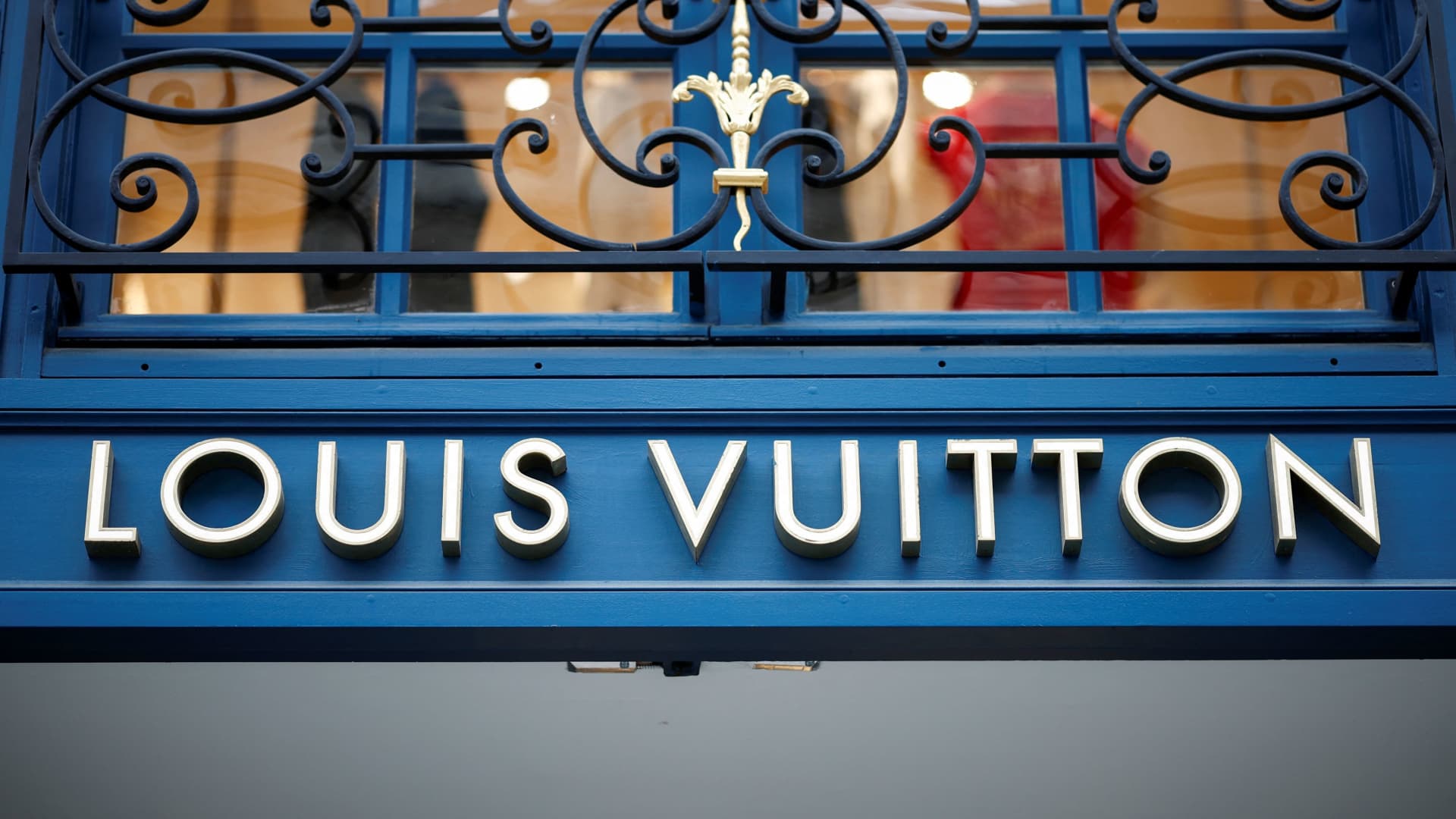
The company’s flagship fashion and leather goods division, typically the primary driver of profitability, reported a 2% decline in sales. Executives suggested that performance would have remained flat were it not for the specific disruptions in the Middle East. Despite these hurdles, LVMH emphasized the enduring strength of iconic brands such as Louis Vuitton and Dior, which have benefited from recent strategic shifts in creative leadership.
In the wake of the earnings announcement, several financial institutions have revised their price targets for LVMH, signaling a more conservative outlook for the luxury sector. While long-term confidence in the brand’s creative direction and its reach in the American and Chinese markets remains, the industry at large continues to navigate a complex environment defined by fluctuating consumer sentiment and volatile global travel patterns.
Key Takeaways
- LVMH shares dipped after quarterly organic growth of 1% missed the 1.5% analyst target.
- Geopolitical conflict in the Middle East caused significant demand drops, impacting the company's flagship fashion and leather goods division.
- Financial institutions have lowered price targets for LVMH as the broader luxury sector faces ongoing volatility in consumer confidence.
Editor’s Analysis & Impact
The recent performance of LVMH serves as a bellwether for the broader luxury goods sector, which is currently grappling with a transition from post-pandemic exuberance to a more cautious, macro-sensitive environment. The impact of the Middle East conflict highlights the vulnerability of high-end brands to geopolitical instability, even when those regions represent a relatively small portion of total revenue. Investors are increasingly wary of how localized crises can ripple through global supply chains and consumer demand. Looking ahead, the luxury industry’s ability to maintain margins will depend on its agility in shifting focus toward more stable markets like the U.S. and China. While LVMH’s creative leadership changes provide a buffer, the sector remains under pressure to prove that its pricing power can withstand cooling global economic sentiment.
Frequently Asked Questions
Q: How much did the Middle East conflict impact LVMH's quarterly sales?
A: The conflict resulted in a 1% negative impact on total sales, with specific business segments experiencing demand shortfalls between 30% and 70% during the month of March.
Q: Which division was most affected by the recent market challenges?
A: The flagship fashion and leather goods division, which is the primary profit engine for LVMH, saw a 2% decline in sales during the quarter.
AI Disclosure: This article is based on verified data and official reports. Our Team and AI have cross-referenced every financial detail with primary sources to ensure total accuracy.
More from this Category