Nissan Unveils Aggressive Global Restructuring Plan Centered on AI and Efficiency
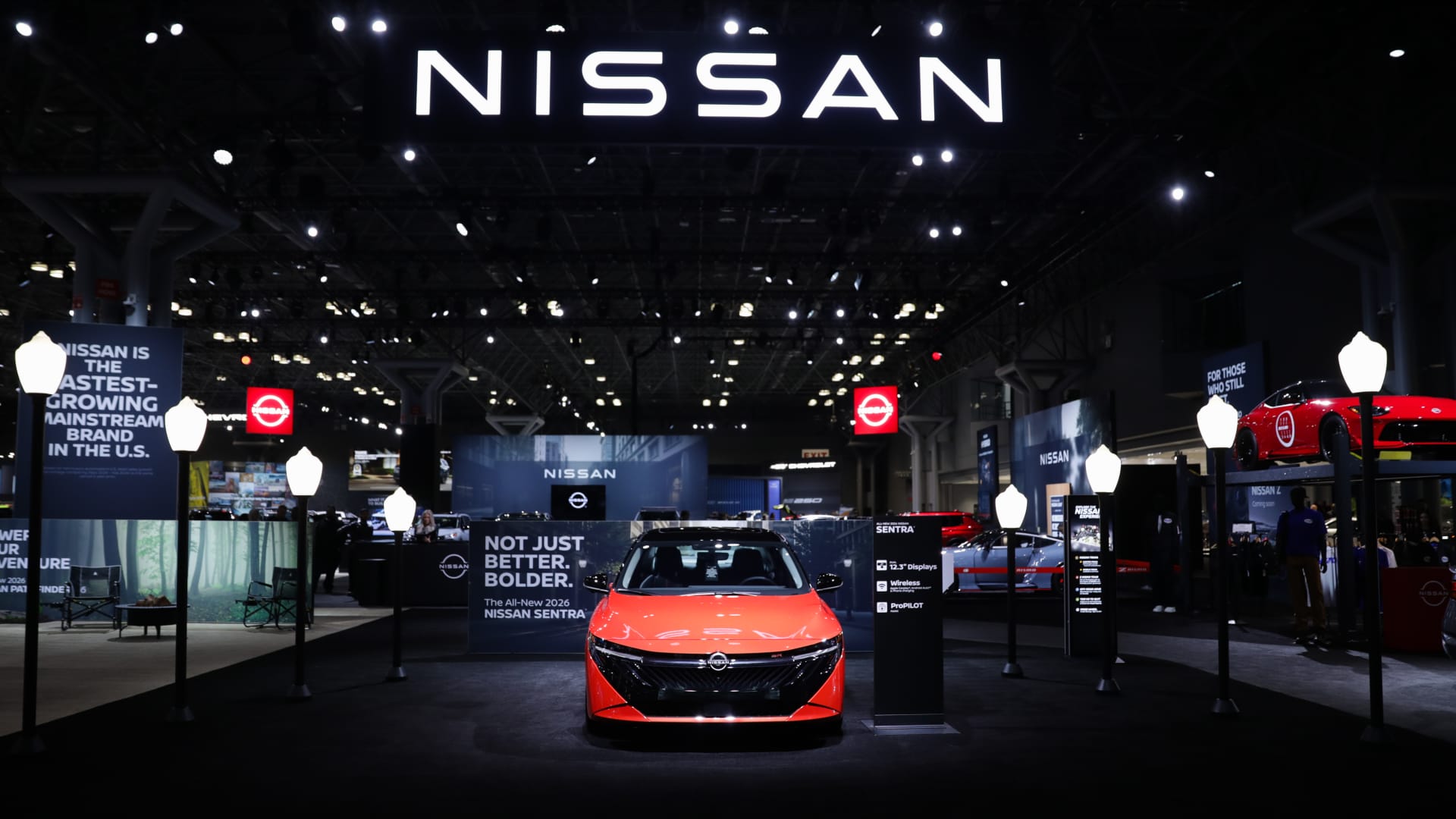
Nissan has officially launched a comprehensive strategic overhaul designed to streamline its global operations and secure long-term profitability. The automaker is moving to simplify its product lineup, reducing the total number of available models from 56 to 45. This shift is intended to focus resources on high-performing vehicles while accelerating the integration of advanced artificial intelligence into its driving systems, with a target of embedding AI-driven digital technology into 90% of its future fleet.
To support this transformation, the company has established ambitious sales benchmarks for the 2030 fiscal year, aiming for 1 million annual sales in both the U.S. and China, and 550,000 units in Japan. Achieving these targets will involve a significant optimization of manufacturing processes, including a 15% reduction in the global workforce. Furthermore, Nissan plans to bolster its domestic presence in the United States by increasing local production capacity from 60% to 80%.
The company’s updated product roadmap emphasizes a diverse range of powertrains, including hybrid versions of the Rogue and all-electric iterations of the Juke. Expansion efforts are also underway, with the N7 electric sedan slated for export to Latin American and ASEAN markets, and the Frontier Pro pickup truck targeting the Middle East. Additionally, the Infiniti luxury brand is expected to undergo a significant refresh with the introduction of new models.
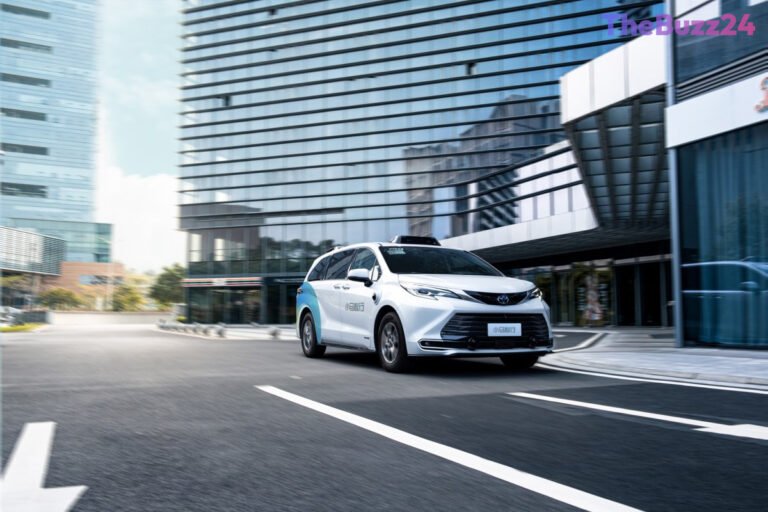
Technological innovation remains a primary driver of this strategy, particularly in autonomous driving. Nissan is currently developing end-to-end autonomous capabilities for its upcoming Elgrand minivan. In a collaborative effort with Uber Technologies and the startup Wayve, the company is also developing robotaxi technology, with a pilot program scheduled to debut in Tokyo by late 2026.
Key Takeaways
- Nissan is reducing its global model lineup from 56 to 45 to improve operational efficiency and focus on high-performing vehicles.
- The company plans to integrate AI-driven digital systems into 90% of its vehicle fleet by 2030.
- A strategic partnership with Uber and Wayve is set to launch a robotaxi pilot program in Tokyo by late 2026.
Editor’s Analysis & Impact
Nissan’s strategic pivot represents a necessary response to the dual pressures of electrification and the rapid evolution of autonomous driving software. By trimming its model portfolio, the company is attempting to shed legacy inefficiencies that have hampered its margins. The aggressive push toward AI integration and robotaxi development suggests that Nissan is positioning itself to compete not just as a hardware manufacturer, but as a software-defined mobility provider. While the 15% workforce reduction will likely face internal and regulatory scrutiny, it underscores the severity of the company’s commitment to fiscal discipline. If successful, this restructuring could stabilize Nissan’s market share in critical regions like the U.S. and China, though the success of the plan hinges heavily on the seamless execution of its ambitious 2030 electrification and autonomous technology targets.
Frequently Asked Questions
Q: What is the primary goal of Nissan's new strategic plan?
A: The primary goal is to revitalize the company's global presence by streamlining its product lineup, improving profitability, and aggressively integrating AI technology into its vehicles.
Q: When does Nissan plan to launch its robotaxi pilot program?
A: Nissan, in collaboration with Uber and Wayve, plans to launch a robotaxi pilot program in Tokyo by late 2026.
AI Disclosure: This article is based on verified data and official reports. Our Team and AI have cross-referenced every financial detail with primary sources to ensure total accuracy.
More from this Category