Beijing Condemns U.S. Strait of Hormuz Blockade as Regional Tensions Escalate
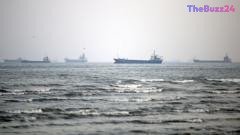
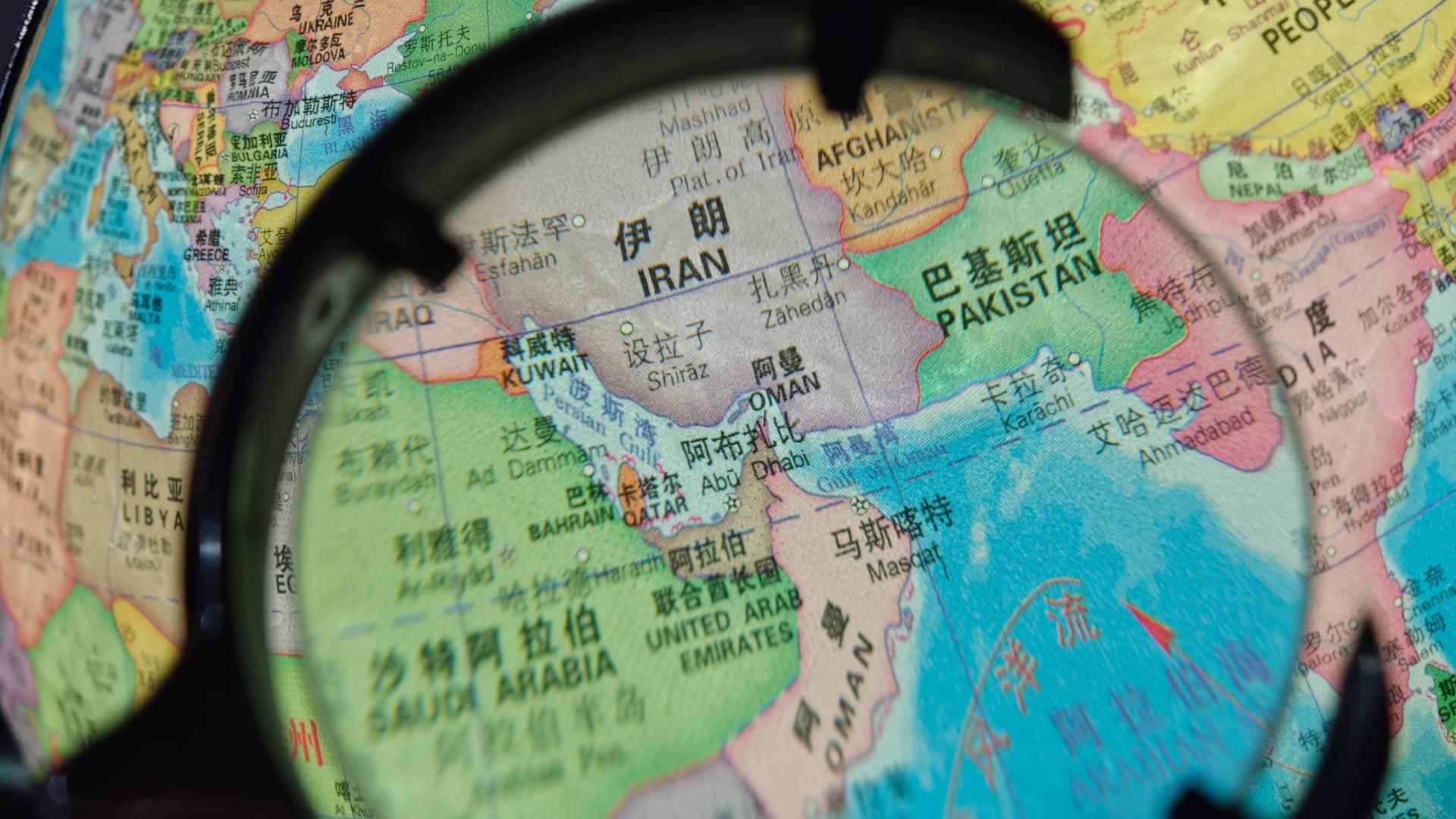
The Chinese government has issued a sharp rebuke of the United States’ decision to implement a blockade on Iranian ports within the Strait of Hormuz. Describing the maneuver as both dangerous and irresponsible, Beijing warned that the increased U.S. military presence and the subsequent closure of this vital maritime artery threaten to unravel the fragile ceasefire currently in place across the Middle East.
The blockade, which began Monday morning, follows the breakdown of peace negotiations held in Islamabad. The U.S. strategy appears designed to force Iran to reopen the shipping lane, representing a major escalation in hostilities that contradicts the ceasefire agreement established on April 7. For China, the stability of the Strait of Hormuz is a critical economic priority, as the nation relies heavily on the region for its crude oil imports. Any prolonged disruption to this transit route poses a direct risk to China’s energy security and broader economic stability.
In response to the mounting crisis, Chinese Foreign Ministry spokesman Guo Jiakun called for an immediate return to diplomatic dialogue and strict adherence to existing ceasefire protocols. During his briefing, Guo also addressed and dismissed claims regarding Chinese military support for Iran, labeling such allegations as entirely fabricated. As diplomatic efforts continue behind the scenes, global energy markets have reacted to the uncertainty, with Brent crude and West Texas Intermediate both seeing notable price declines as traders weigh the potential for a de-escalation of the six-week conflict.
Key Takeaways
- China has officially condemned the U.S. blockade of the Strait of Hormuz, citing risks to regional stability and global energy flows.
- The blockade was initiated by the U.S. following the collapse of peace talks in Islamabad, effectively challenging the April 7 ceasefire.
- Global oil prices, including Brent and WTI, dipped as markets reacted to the potential for renewed diplomatic efforts to resolve the six-week conflict.
Editor’s Analysis & Impact
The escalation in the Strait of Hormuz represents a significant geopolitical flashpoint with immediate consequences for global energy markets. By blocking a critical chokepoint for oil transit, the U.S. has effectively raised the stakes for all major importers, particularly China, which views the region as essential to its energy security. The market’s reaction—a decline in oil prices—suggests that investors are currently betting on a diplomatic resolution rather than a prolonged military confrontation. However, the situation remains highly volatile. If the blockade persists, the resulting supply chain disruptions could trigger inflationary pressures and force a realignment of global energy trade routes. The broader implication is a deepening divide between major powers, as China positions itself as a mediator while simultaneously protecting its own strategic economic interests in the Middle East.
Frequently Asked Questions
Q: Why is the Strait of Hormuz significant to the global economy?
A: The Strait of Hormuz is one of the world's most important oil chokepoints, as a significant percentage of the world's total petroleum consumption passes through this narrow waterway daily.
Q: What is China's primary concern regarding the U.S. blockade?
A: China's primary concern is the security of its energy supply, as it is a major purchaser of Iranian crude oil and relies on the uninterrupted flow of traffic through the Strait to maintain its domestic energy needs.
AI Disclosure: This article is based on verified data and official reports. Our Team and AI have cross-referenced every financial detail with primary sources to ensure total accuracy.
More from this Category