Spain’s Renewable Energy Strategy Bolsters Economic Resilience Amid Global Geopolitical Tensions
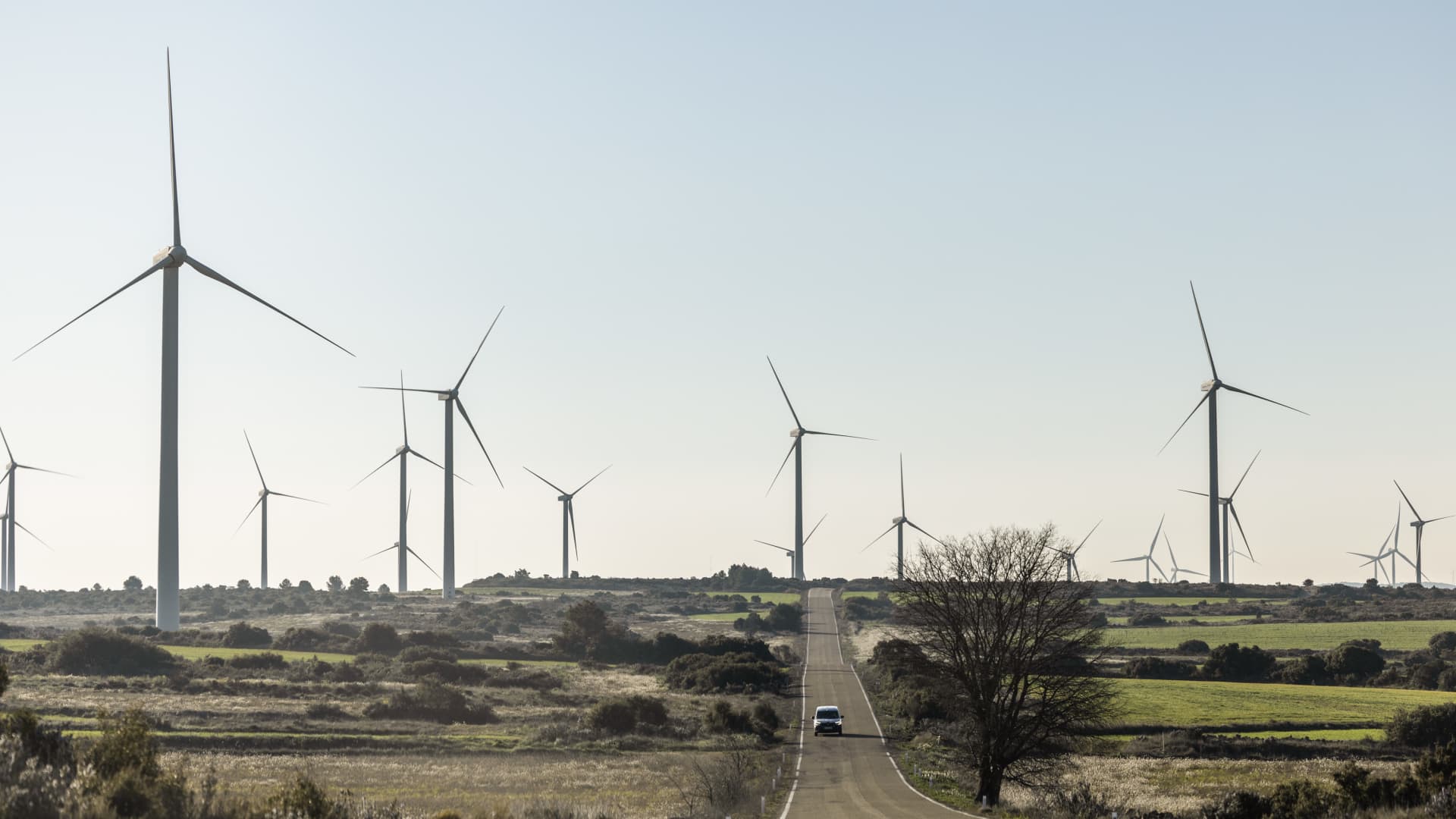
Spain has successfully fortified its national economy against global energy shocks by aggressively transitioning toward solar and wind power. According to Economy Minister Carlos Cuerpo, the nation’s strategic investment in renewable infrastructure has provided a critical buffer against the volatility caused by the ongoing conflict in the Middle East. By significantly reducing its dependence on fossil fuels, Spain has managed to maintain some of the lowest gas prices within the European Union, positioning itself as a leader in energy sovereignty.
The shift in Spain’s energy mix has been profound, with natural gas reliance for electricity generation dropping from 75% in 2019 to a mere 16% this year. This transition has not only insulated the country from external market fluctuations but has also contributed to a period of robust economic growth. Spain currently stands as the fastest-growing advanced economy in Europe, accounting for 40% of all new jobs created in the eurozone last year, while simultaneously working to bring national debt levels back to pre-pandemic standards.
Despite these domestic achievements, the country faces significant diplomatic challenges, particularly regarding its relationship with the United States. Tensions have escalated due to Spain’s refusal to allow the use of shared military bases for operations against Iran and its stance on NATO defense spending. While U.S. leadership has threatened potential trade repercussions, Spanish officials maintain that their energy independence and alignment with broader European Union trade policies provide a necessary shield against unilateral economic pressure.
Furthermore, the nation has addressed concerns regarding grid stability following a 2025 blackout. While some critics initially attempted to link the incident to the rapid integration of green energy, official investigations determined that the outage was the result of a complex interaction of multiple factors rather than a failure of renewable infrastructure. Despite these successes, the government acknowledges that the broader regional conflict continues to exert pressure on the economy through increased costs for essential commodities like fuel and fertilizer.
Key Takeaways
- Spain reduced its electricity generation reliance on natural gas from 75% in 2019 to 16% today through renewable energy investments.
- The country has emerged as the fastest-growing advanced economy in Europe, contributing significantly to eurozone job creation.
- Diplomatic friction with the U.S. over military base usage and defense spending remains a challenge, though EU trade agreements offer a layer of protection.
Editor’s Analysis & Impact
Spain’s economic trajectory serves as a compelling case study for the intersection of climate policy and national security. By decoupling its power grid from volatile fossil fuel markets, Madrid has effectively mitigated the ‘energy weapon’ often wielded by geopolitical adversaries. This strategy has provided the fiscal space necessary to outperform its European peers in growth and employment. However, the future outlook remains tempered by the reality of global interdependence. While energy independence is a major victory, Spain’s reliance on international trade and its complex military-diplomatic ties with the U.S. demonstrate that domestic policy success cannot fully insulate a nation from global power dynamics. Moving forward, Spain’s ability to maintain its economic momentum will depend on its capacity to balance its independent foreign policy with the collective trade interests of the European Union.
Frequently Asked Questions
Q: How has Spain reduced its reliance on natural gas?
A: Spain has aggressively invested in solar and wind energy infrastructure, which allowed it to drop its reliance on natural gas for electricity generation from 75% in 2019 to 16% in the current year.
Q: Why are there trade tensions between Spain and the United States?
A: Tensions stem from Spain's refusal to allow the use of jointly operated military bases for strikes against Iran and disagreements regarding Spain's progress toward NATO defense spending targets.
AI Disclosure: This article is based on verified data and official reports. Our Team and AI have cross-referenced every financial detail with primary sources to ensure total accuracy.
More from this Category