U.S. Initiates Naval Blockade in Strait of Hormuz Following Diplomatic Impasse
The United States has launched a strategic naval blockade targeting Iranian ports within the Strait of Hormuz, signaling a major escalation in the ongoing geopolitical tensions between the two nations. This move follows the collapse of high-level diplomatic discussions in Islamabad, which failed to yield a breakthrough regarding regional security and nuclear policy. President Donald Trump and Vice President JD Vance have characterized the blockade as a critical tool for applying economic pressure, intended to compel Tehran to resume negotiations under terms more favorable to American security interests.
The Strait of Hormuz remains one of the most vital maritime chokepoints in the world, serving as a primary artery for global oil transit. By restricting vessel movement, the U.S. administration aims to counter what it describes as Iranian obstructionism. The blockade serves as a direct response to the perceived failure of a recent 14-day ceasefire, which was contingent upon the full and unrestricted reopening of the waterway—a condition Washington asserts has not been met.
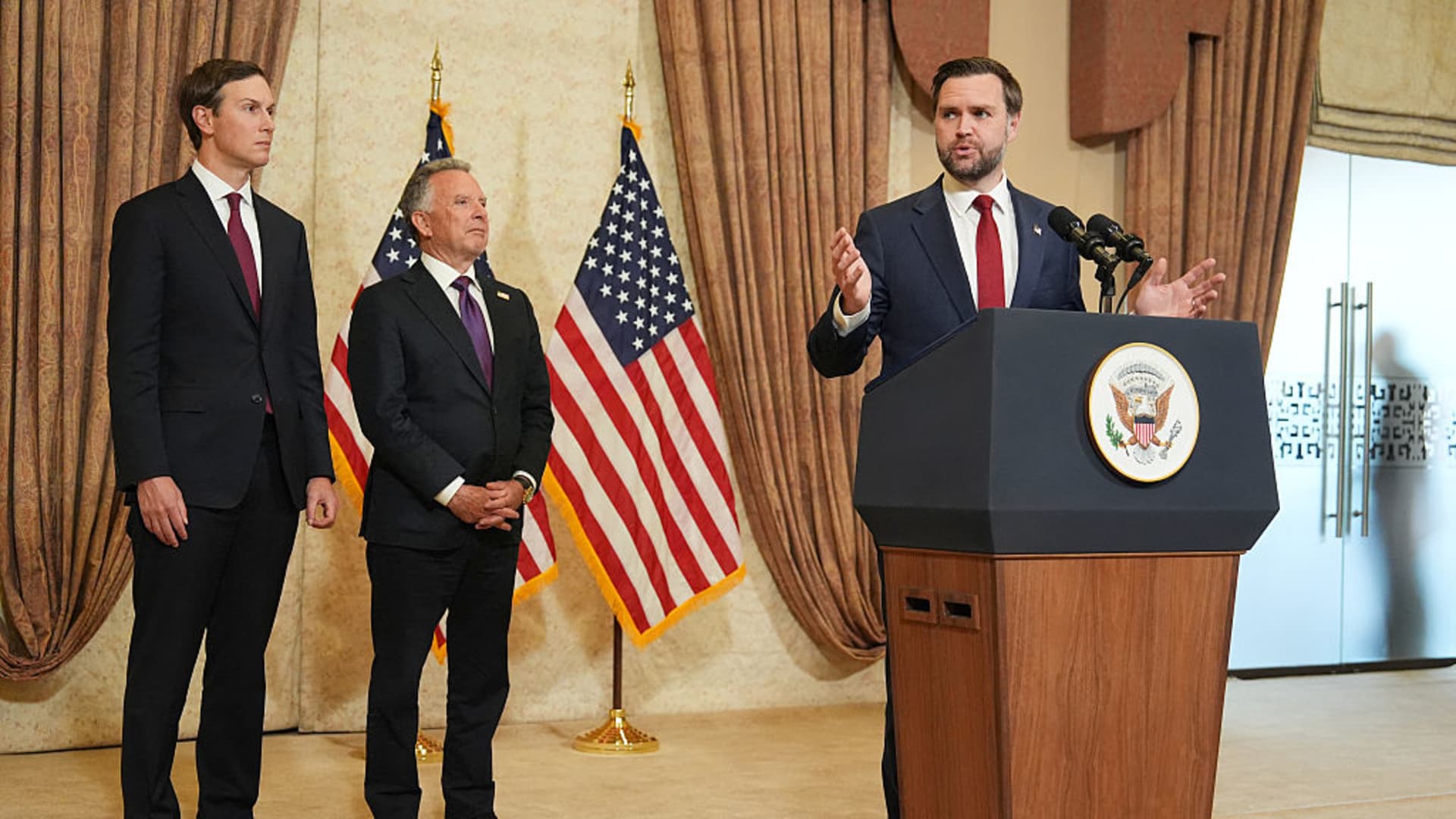
Special envoys Steve Witkoff and Jared Kushner, who led the U.S. negotiating team, indicated that while there were initial signs of progress during the Islamabad talks, the ultimate outcome was insufficient. The U.S. continues to maintain a firm stance on nuclear non-proliferation, demanding the complete removal of enriched uranium from Iranian soil and the implementation of rigorous international verification protocols. As the diplomatic window remains stalled, the administration has placed the responsibility on Tehran to meet these non-negotiable requirements to restore regional stability and maritime access.
Key Takeaways
- The U.S. has implemented a naval blockade in the Strait of Hormuz following the failure of recent diplomatic talks in Islamabad.
- Washington is demanding the removal of Iran's enriched uranium and the acceptance of strict international nuclear verification protocols.
- The blockade is intended to exert maximum economic pressure on Tehran to force a change in its nuclear policy and ensure the free flow of maritime traffic.
Editor’s Analysis & Impact
The implementation of a naval blockade in the Strait of Hormuz marks a significant shift in U.S. foreign policy, moving from traditional diplomatic pressure to direct, kinetic intervention in global supply chains. By targeting a critical energy chokepoint, the administration is effectively using global oil market volatility as a lever to force domestic policy changes in Iran. This strategy carries immense risk; it not only threatens to spike global energy prices but also increases the likelihood of a broader regional military confrontation. The future outlook remains precarious, as the effectiveness of this blockade relies on the assumption that economic hardship will outweigh Iran’s strategic commitment to its nuclear program. If Tehran chooses to retaliate through asymmetric naval tactics, the situation could rapidly escalate beyond the current diplomatic framework, potentially leading to a sustained period of geopolitical and economic instability.
Frequently Asked Questions
Q: Why is the Strait of Hormuz considered a critical global chokepoint?
A: The Strait of Hormuz is a narrow waterway that serves as the primary transit route for a significant portion of the world's daily oil production. Any disruption to shipping in this area has an immediate and profound impact on global energy prices.
Q: What are the specific conditions the U.S. has set for lifting the blockade?
A: The U.S. requires Iran to remove its enriched uranium from the country, agree to stringent international nuclear verification protocols, and guarantee the permanent, unrestricted passage of international shipping through the Strait.
AI Disclosure: This article is based on verified data and official reports. Our Team and AI have cross-referenced every financial detail with primary sources to ensure total accuracy.
More from this Category