U.S. Naval Forces Enforce Strategic Blockade on Iranian Ports to Secure Strait of Hormuz
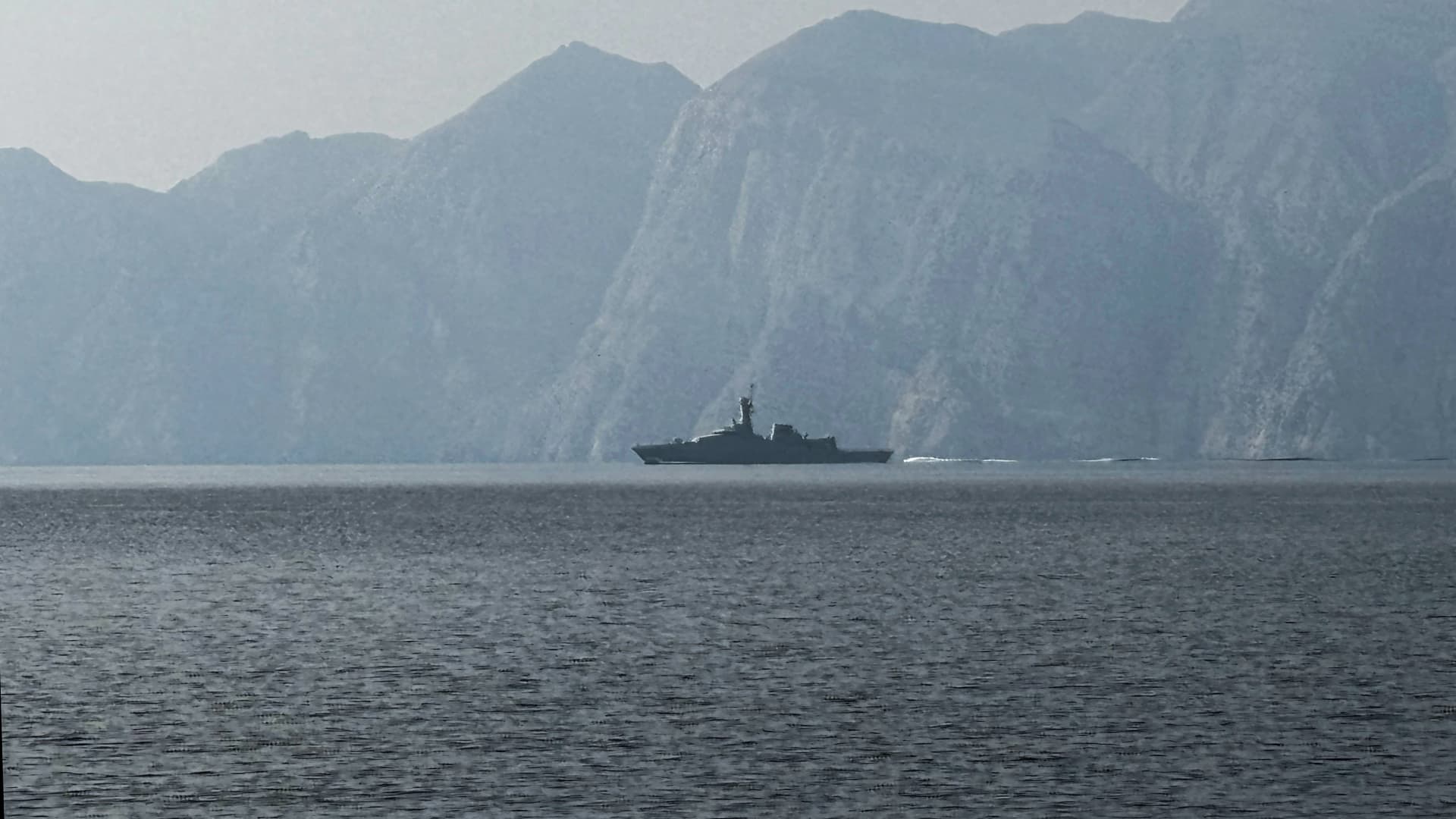
The United States has initiated a strategic naval blockade targeting Iranian ports along the Persian Gulf, a move designed to neutralize ongoing maritime disruptions in the Strait of Hormuz. By restricting vessel movement in and out of Iranian coastal waters, the operation aims to sever the nation’s primary oil export routes, which have become a focal point of instability threatening global energy supply chains.
This ‘close blockade’ strategy is intended to exert maximum economic pressure on Tehran by halting oil exports, which account for approximately 4% of total global production. The U.S. Fifth Fleet, bolstered by multiple carrier strike groups currently stationed in the region, is actively monitoring and intercepting maritime traffic to ensure strict compliance. The administration characterizes this operation as a necessary measure to restore freedom of navigation through one of the world’s most vital shipping chokepoints.
In response, Iranian leadership has denounced the blockade as a violation of international norms, warning of potential volatility in global fuel markets. While Tehran possesses various asymmetric military capabilities, including drone fleets and coastal missile batteries, experts suggest these assets may struggle against a sustained, conventional naval enforcement operation. With crude oil prices hovering near $100 per barrel, the international community remains on high alert, assessing whether this economic strategy will successfully de-escalate the standoff or inadvertently trigger a broader regional confrontation.
Key Takeaways
- The U.S. has deployed the Fifth Fleet to enforce a naval blockade on Iranian ports, targeting the country's oil export capabilities.
- The operation aims to secure the Strait of Hormuz, a critical global shipping chokepoint, following weeks of maritime instability.
- Global oil prices are experiencing significant upward pressure, trading near $100 per barrel as the geopolitical standoff intensifies.
Editor’s Analysis & Impact
The implementation of a naval blockade marks a major escalation in the geopolitical tension between the U.S. and Iran. By focusing on economic attrition through the disruption of oil exports, the U.S. is attempting to force a shift in regional behavior without resorting to direct kinetic warfare. However, the market impact is profound; the Strait of Hormuz is an essential artery for global energy, and any prolonged closure risks sustained inflation and severe supply chain instability. The future outlook is highly uncertain, as the efficacy of this strategy depends on whether Iran opts for diplomatic engagement or retaliatory asymmetric maneuvers. If the blockade continues, energy markets will likely remain volatile, and the risk of a miscalculation leading to a wider regional conflict remains a primary concern for global security and economic stability.
Frequently Asked Questions
Q: Why is the Strait of Hormuz considered strategically important?
A: The Strait of Hormuz is one of the world's most critical maritime chokepoints, as a significant percentage of the world's total oil production passes through this narrow passage daily.
Q: What is a 'close blockade' in naval terms?
A: A close blockade involves positioning naval forces directly off an adversary's coast to prevent any vessels from entering or leaving their ports, effectively cutting off maritime trade.
AI Disclosure: This article is based on verified data and official reports. Our Team and AI have cross-referenced every financial detail with primary sources to ensure total accuracy.
More from this Category