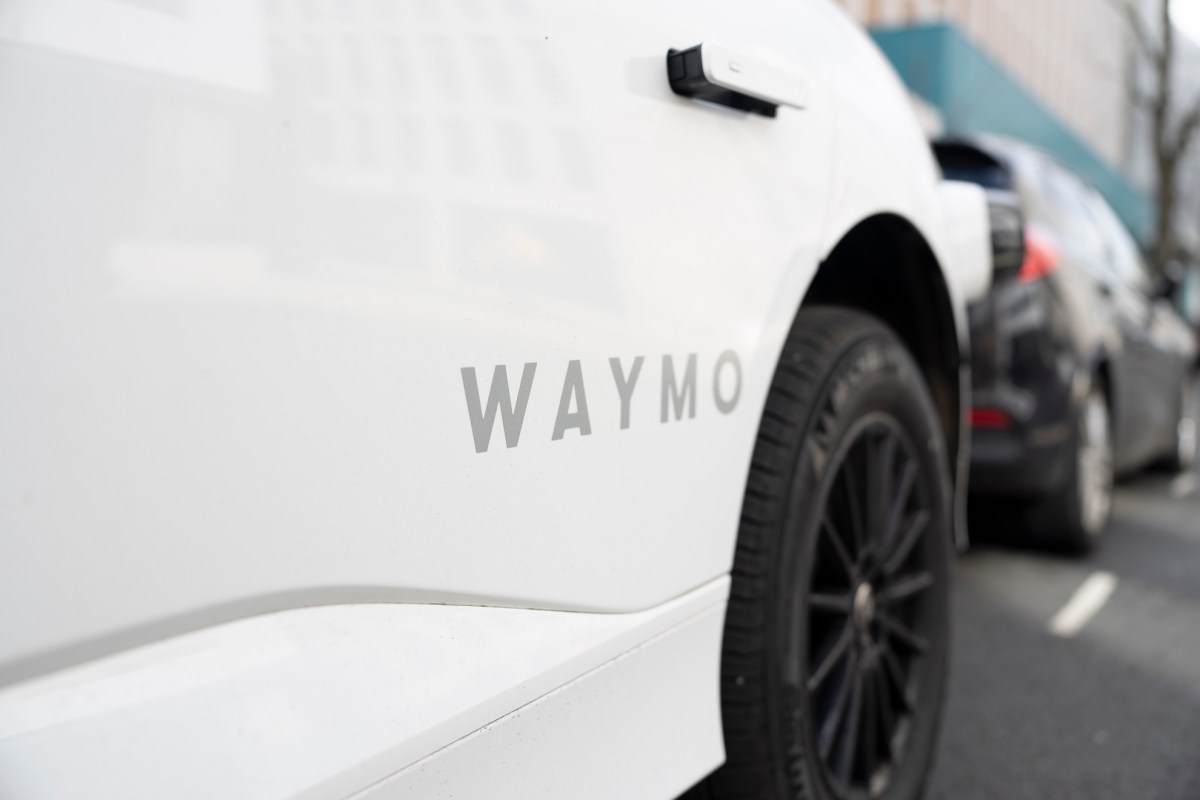
Waymo Launches Autonomous Vehicle Trials on London Streets
Waymo has officially commenced testing its autonomous vehicle fleet in London, marking a significant step toward introducing commercial robotaxi services to the United Kingdom. The initial phase of the program utilizes a fleet of 100 all-electric Jaguar I-Pace vehicles, each outfitted with advanced sensor arrays and proprietary autonomous driving software. To ensure safety and compliance with local traffic laws, every vehicle currently features a human safety driver who monitors the system’s performance in real-time.
The testing initiative covers a 100-square-mile radius, allowing the company to gather essential data on London’s complex road networks, narrow thoroughfares, and distinct traffic patterns. This data is vital for refining the artificial intelligence systems before the company can transition to a fully driverless, rider-only model. While the technology has demonstrated significant adaptability, the shift to removing human operators is contingent upon upcoming legislative updates regarding autonomous vehicle safety standards in the U.K.
To facilitate this expansion, the company is investing in local infrastructure, including the establishment of dedicated service centers and the recruitment of specialized personnel within the capital. Furthermore, the firm is working closely with local emergency services to align its operational protocols with public safety requirements. While the company aims for a full-scale commercial launch by 2026, the timeline remains subject to ongoing regulatory scrutiny and final government approval.
This expansion intensifies competition within the British autonomous driving sector, pitting the company against established rivals like Wayve and Uber. The move builds upon the company’s long-standing presence in the region, which was bolstered by its 2019 acquisition of simulation startup Latent Logic and the creation of an engineering hub in Oxford.
Key Takeaways
- Waymo has deployed 100 electric Jaguar I-Pace vehicles in London to begin testing autonomous driving capabilities.
- The trials are currently conducted with human safety drivers to navigate complex urban road layouts and collect performance data.
- The company is targeting a 2026 commercial launch, pending regulatory approval and legislative updates in the U.K.
Editor’s Analysis & Impact
Waymo’s entry into the London market represents a pivotal moment for the global autonomous vehicle industry. By moving into one of the world’s most complex urban environments, the company is stress-testing its technology against some of the most challenging traffic conditions imaginable. This expansion is not merely a technical milestone but a strategic play to capture a foothold in the European market before competitors like Wayve and Uber can solidify their own positions. The success of these trials will likely influence future U.K. transport policy and set a precedent for how autonomous systems are integrated into historic, high-density cities. If Waymo successfully navigates the regulatory hurdles, it could accelerate the adoption of robotaxi services across Europe, fundamentally altering urban mobility and reducing reliance on traditional ride-hailing models.
Frequently Asked Questions
Q: Are the Waymo vehicles in London currently driverless?
A: No, all vehicles currently operating in London are staffed with a human safety driver to oversee performance and ensure compliance with local traffic regulations.
Q: When does Waymo plan to launch a full commercial service in London?
A: The company is targeting a full-scale commercial launch by 2026, though this timeline is subject to regulatory review and the evolution of U.K. safety legislation.
AI Disclosure: This article is based on verified data and official reports. Our Team and AI have cross-referenced every financial detail with primary sources to ensure total accuracy.
More from this Category