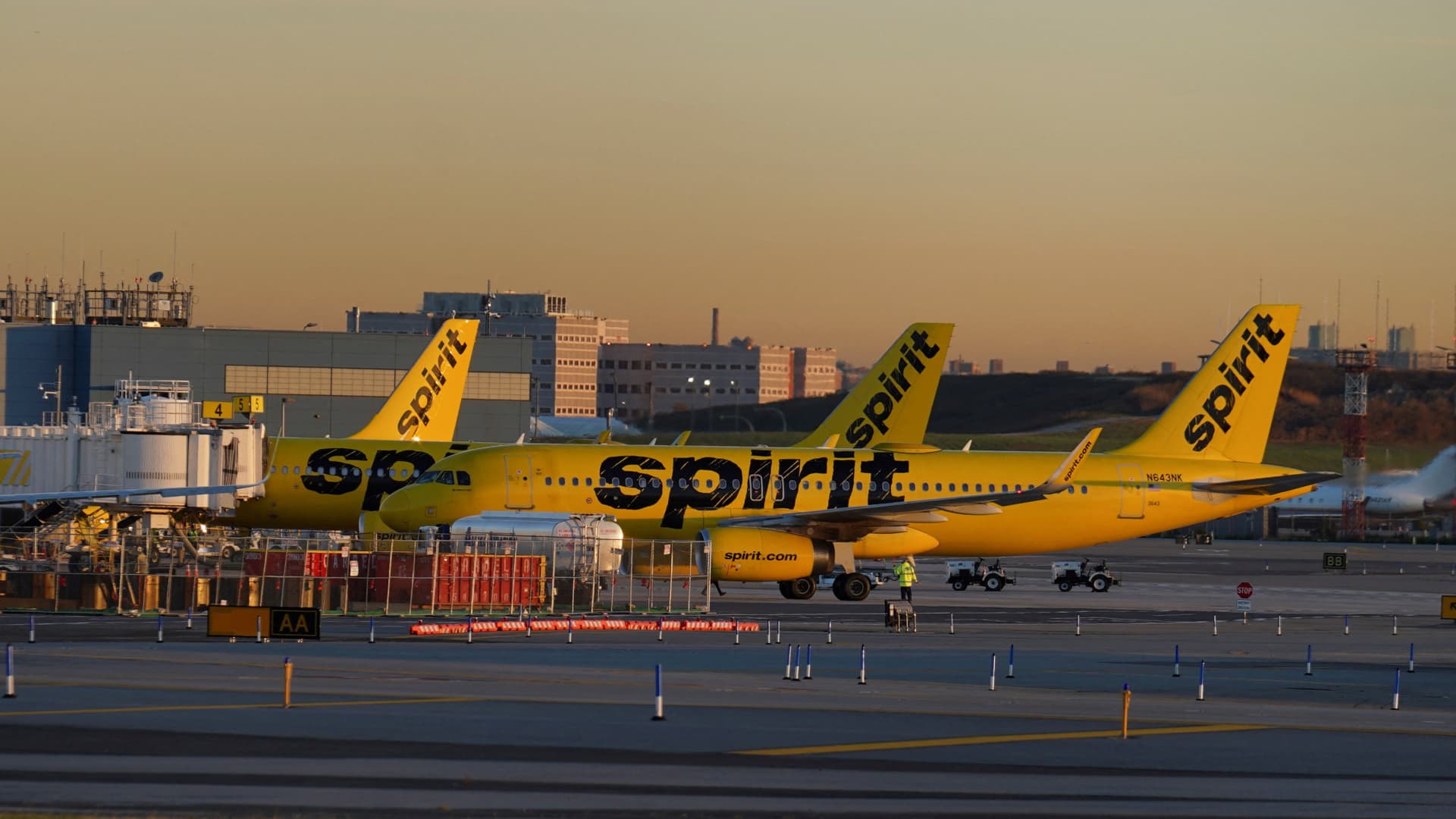
Spirit Airlines Faces Imminent Bankruptcy Filing Amid Financial Crisis
Spirit Airlines is reportedly preparing to file for bankruptcy as early as this week, marking a critical juncture for the budget carrier. The airline has faced months of severe financial instability, struggling to overcome persistent operational challenges and a volatile market environment that have blocked its path to recovery. Despite management’s attempts to restructure and streamline operations, the company remains burdened by a significant debt load that has become increasingly difficult to manage.
The airline’s current distress is largely tied to a challenging domestic aviation landscape characterized by an oversupply of flight capacity, which has driven down ticket prices across the industry. For low-cost carriers operating on razor-thin margins, this pricing pressure has proven unsustainable. Previous efforts to stabilize the business, including route optimization and labor contract negotiations, have failed to provide the necessary fiscal relief to secure the company’s future.
Operational setbacks have further compounded these financial difficulties, most notably a widespread engine recall that has forced the grounding of a substantial portion of the airline’s Airbus fleet. These technical issues, coupled with the failed merger attempt with JetBlue Airways, have left Spirit with few strategic options to compete against larger, more established rivals. The situation underscores the structural volatility currently impacting the low-cost air travel sector as companies grapple with rising costs and shifting consumer demand.
Key Takeaways
- Spirit Airlines is nearing a potential bankruptcy filing as early as this week due to mounting debt and financial instability.
- The airline has been severely impacted by an oversupply of flight capacity in the domestic market, which has depressed ticket prices.
- Operational challenges, including a major engine recall and the collapse of a merger with JetBlue, have left the company with limited options for survival.
Editor’s Analysis & Impact
The potential bankruptcy of Spirit Airlines serves as a stark indicator of the fragility within the low-cost carrier segment. As the aviation industry continues to normalize post-pandemic, the ‘ultra-low-cost’ model is facing an existential threat from both operational headwinds and shifting consumer preferences. The failure of the JetBlue merger removed a vital lifeline for Spirit, leaving it vulnerable to the current pricing wars and supply chain constraints, specifically the Pratt & Whitney engine issues. Looking ahead, this development may trigger a broader consolidation trend in the U.S. airline industry, as smaller players struggle to maintain profitability against legacy carriers. The outcome of this filing will likely set a precedent for how budget airlines manage debt and fleet maintenance in an era of high interest rates and unpredictable demand.
Frequently Asked Questions
Q: Why is Spirit Airlines considering bankruptcy?
A: Spirit is facing a combination of high debt, intense competition that has lowered ticket prices, and significant operational issues, including the grounding of aircraft due to engine recalls.
Q: Did the failed merger with JetBlue contribute to this situation?
A: Yes, the collapse of the planned merger with JetBlue Airways removed a key strategic path for Spirit to stabilize its finances and improve its competitive position in the market.
AI Disclosure: This article is based on verified data and official reports. Our Team and AI have cross-referenced every financial detail with primary sources to ensure total accuracy.
More from this Category