Tesla Accelerates AI Ambitions with New Chip Milestone and Strategic Production Pivot
Tesla shares experienced a notable rally this week, surging nearly 8% to close at $391.95 following a series of strategic updates from the company. Central to this growth is the announcement that the next-generation AI5 chip has achieved a critical engineering milestone. This development, supported by a collaborative effort with SpaceX and Intel under the Terafab initiative, indicates that the hardware is nearing mass production. To support this, Tesla is moving forward with plans to construct two dedicated manufacturing facilities in Austin, Texas, intended to supply components for its vehicle fleet, robotics division, and orbital data center operations.
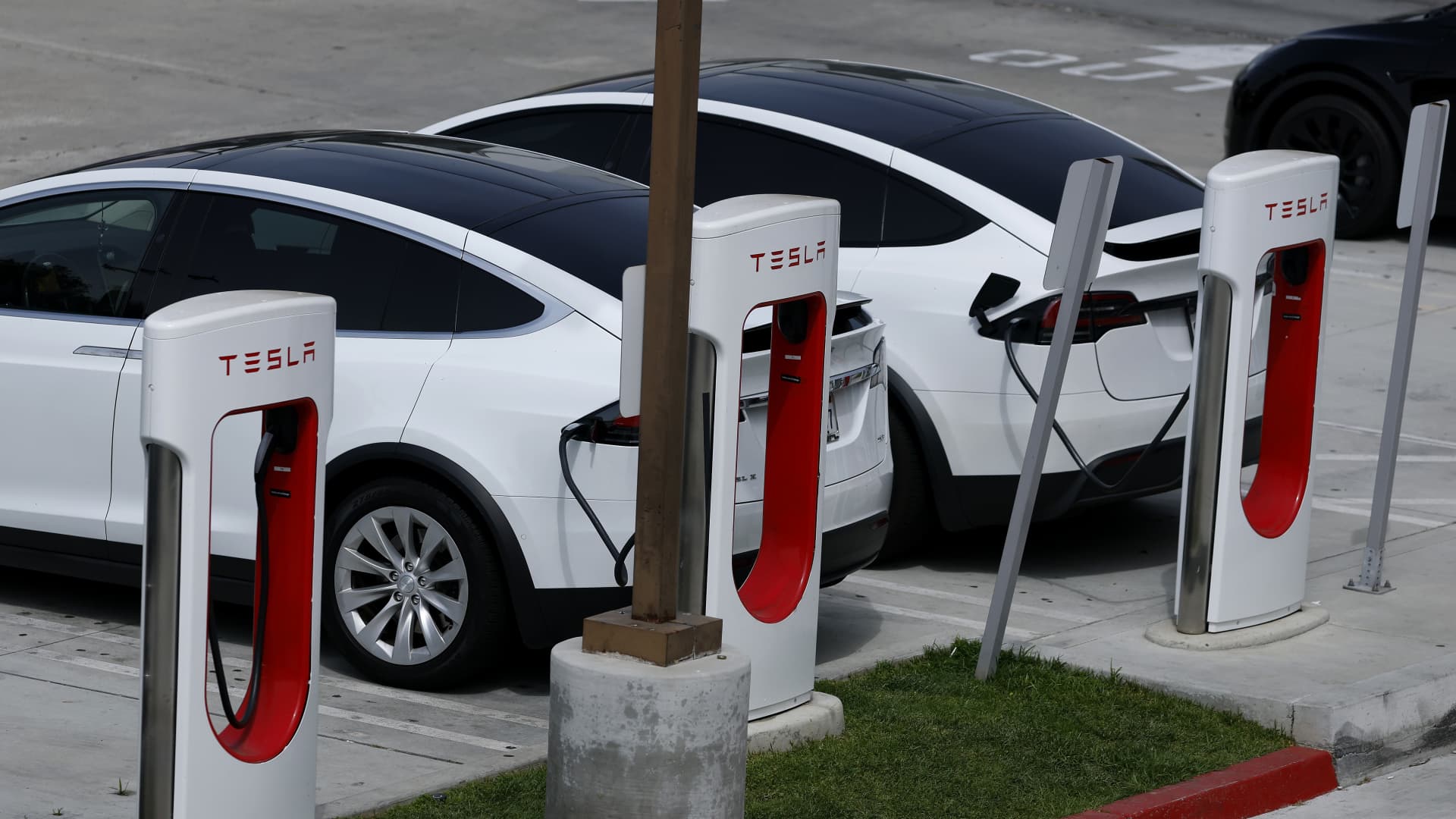
Market confidence has been further bolstered by a shift in analyst sentiment, with several firms upgrading the stock and increasing price targets. This optimism is largely tied to reports of a new, compact SUV currently in development, which is expected to fill a strategic gap in Tesla’s existing product portfolio. To accommodate these shifts, the company has begun streamlining its manufacturing footprint, phasing out the Model S and Model X to repurpose space at the Fremont factory for the production of the Optimus humanoid robot.
In addition to hardware advancements, Tesla has rolled out a significant software update designed to improve vehicle functionality and user experience. The update simplifies the subscription process for Full Self-Driving (Supervised) services, currently priced at $99 per month. Furthermore, the integration of the xAI-developed Grok chatbot now enables hands-free, voice-activated controls within the cabin. These moves, combined with ongoing testing of the Robotaxi service in Austin, highlight Tesla’s aggressive strategy to transition from a traditional automaker into a leader in autonomous transport and artificial intelligence.
Key Takeaways
- Tesla’s AI5 chip has reached a key engineering milestone, with plans for dedicated manufacturing facilities in Austin, Texas.
- The company is shifting its production focus, phasing out older models to prioritize the development of the Optimus humanoid robot.
- New software updates have integrated the Grok AI chatbot and streamlined access to Full Self-Driving subscription services.
Editor’s Analysis & Impact
Tesla’s recent pivot demonstrates a clear transition from a hardware-centric automotive company to an AI-first technology firm. By internalizing chip production through the Terafab project and repurposing legacy manufacturing space for robotics, Tesla is attempting to vertically integrate its supply chain to reduce costs and accelerate innovation. The introduction of a compact SUV addresses a critical market segment that could drive volume growth, while the integration of Grok AI suggests that Tesla is leveraging its massive fleet as a data-gathering engine for its broader AI ecosystem. If the company successfully scales its AI5 hardware and Robotaxi infrastructure, it could create a significant competitive moat, though the success of these initiatives remains heavily dependent on regulatory approval and the technical reliability of its autonomous systems.
Frequently Asked Questions
Q: What is the significance of the AI5 chip milestone?
A: The AI5 chip milestone indicates that Tesla is nearing full-scale production of its next-generation hardware, which is essential for powering its vehicle fleet, robotics, and data center infrastructure.
Q: How is Tesla changing its vehicle production strategy?
A: Tesla is phasing out the Model S and Model X to repurpose manufacturing space at its Fremont facility, focusing instead on the development of the Optimus humanoid robot and a new, more compact SUV.
AI Disclosure: This article is based on verified data and official reports. Our Team and AI have cross-referenced every financial detail with primary sources to ensure total accuracy.
More from this Category