The Corporate Takeover: Why Independent Car Dealerships Are Vanishing
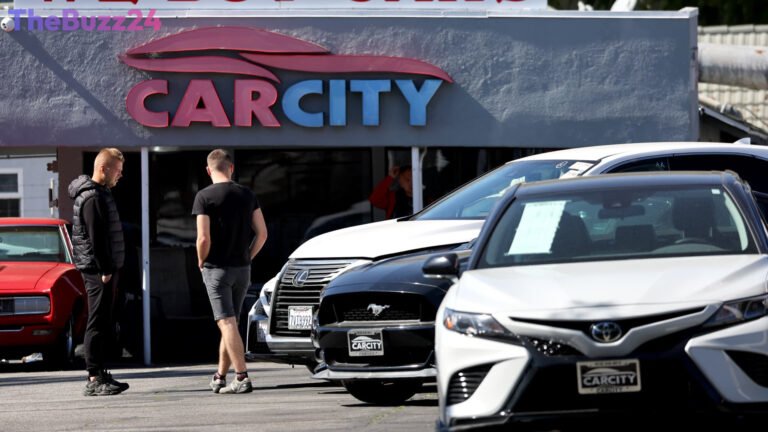
The American automotive retail sector is experiencing a profound transformation as the traditional, family-owned dealership model rapidly declines. Once a cornerstone of local commerce, the independent car lot is being systematically replaced by large-scale, publicly traded automotive groups. This structural shift is fundamentally altering the consumer experience and the economic landscape of vehicle sales across the nation.
Driving this consolidation is the rising cost of modern automotive business requirements. As the industry transitions toward electric vehicles and integrates complex artificial intelligence, the necessary infrastructure and digital systems have become prohibitively expensive for smaller operators. Unable to keep pace with the capital-intensive demands of modern facilities and technology, many legacy owners are choosing to exit the market by selling their businesses to national conglomerates.
Market data confirms that this trend is gaining significant momentum. Major industry players, including Lithia Motors and AutoNation, have aggressively expanded their footprints through strategic acquisitions. Today, the top 150 dealership groups in the United States control more than 25% of all new vehicle sales, a figure that continues to climb. This transition toward a centralized, high-efficiency corporate model is quickly becoming the industry standard.
Despite the loss of the local, community-focused dealership, the sector remains a prime target for institutional investment. The existing franchised dealer framework provides a stable, regulated environment that favors organizations with the scale to manage large operations efficiently. As consolidation continues, the future of automotive retail appears destined to be dominated by streamlined, national entities rather than independent proprietors.
Key Takeaways
- Independent, family-owned car dealerships are being rapidly absorbed by large, publicly traded automotive corporations.
- High costs associated with EV infrastructure and advanced digital systems are forcing smaller dealers to sell their operations.
- The top 150 dealership groups now control over a quarter of all new vehicle sales in the U.S., signaling a shift toward centralized retail.
Editor’s Analysis & Impact
The consolidation of the automotive retail market represents a broader trend of capital-intensive industries favoring scale over local presence. For consumers, this shift may lead to more standardized pricing and digital-first purchasing experiences, but it also risks eroding the personalized service and community ties that defined the traditional dealership model. From an investment perspective, the move toward national conglomerates creates a more predictable, albeit less competitive, landscape. As these corporations continue to integrate AI and EV-specific service requirements, the barrier to entry for new, independent players will likely become insurmountable. The long-term implication is a highly efficient, oligopolistic market where profit margins are protected by sheer volume and technological dominance, leaving little room for the legacy ‘mom-and-pop’ business model to survive.
Frequently Asked Questions
Q: Why are independent car dealerships selling their businesses?
A: Many independent owners are selling because they cannot afford the massive capital investments required for modern EV infrastructure, advanced digital systems, and facility upgrades.
Q: How much of the U.S. auto market do the largest dealership groups control?
A: The top 150 dealership groups in the United States currently account for over 25% of all new vehicle sales, and this market share is continuing to grow.
AI Disclosure: This article is based on verified data and official reports. Our Team and AI have cross-referenced every financial detail with primary sources to ensure total accuracy.
More from this Category