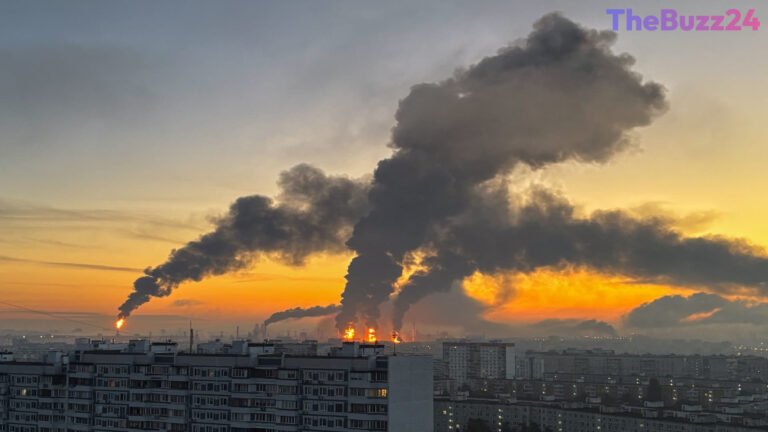
Ukraine Grapples with Devastating Russian Barrage Amidst Strained Air Defenses
A recent large-scale aerial assault by Russia has resulted in the deaths of twenty-one people and left dozens more injured across Ukraine. The extensive attack involved a barrage of 115 drones and 24 ballistic missiles, marking one of the more intense bombardments in recent times.
While Ukrainian air defense systems successfully intercepted a significant number of the incoming drones, the ballistic missiles proved far more challenging. Reports indicate that many of these high-speed projectiles penetrated defenses, largely due to Ukraine’s increasingly depleted air defense capabilities. This disparity in interception rates highlights a critical vulnerability in the nation’s protective infrastructure.
The human cost of the assault is profound, with widespread damage to civilian infrastructure and homes. Residents described the night as one of the “scariest” since the conflict began. Anastasiia Dudley, whose home near Kyiv sustained considerable damage, shared her harrowing experience, underscoring the severe emotional and material toll on communities caught in the crossfire. The destruction extends beyond physical structures, deeply impacting the psychological well-being of those living under constant threat.
Key Takeaways
- A recent Russian aerial attack killed 21 people and injured dozens, involving 115 drones and 24 ballistic missiles.
- Ukraine's air defenses struggled to intercept ballistic missiles due to depletion, despite successfully downing many drones.
- The assault caused significant damage to homes and infrastructure, inflicting severe emotional distress on civilians.
Editor’s Analysis & Impact
This latest large-scale Russian attack underscores the critical and escalating challenge facing Ukraine’s air defense capabilities. The inability to effectively counter ballistic missiles, even while intercepting numerous drones, signals a dangerous shift in the conflict’s dynamics. For the market, this sustained aggression could further destabilize global energy prices and supply chains, particularly if critical infrastructure is targeted. The broader implications point to an urgent need for increased international military aid, specifically advanced air defense systems, to prevent further humanitarian catastrophe and protect civilian populations. Without robust defensive measures, the economic and social recovery of Ukraine will remain severely hampered, prolonging instability in Eastern Europe.
Frequently Asked Questions
Q: What was the scale of the recent Russian attack on Ukraine?
A: The attack involved a significant barrage of 115 drones and 24 ballistic missiles, resulting in 21 fatalities and dozens of injuries.
Q: Why were ballistic missiles more difficult to intercept than drones?
A: Ballistic missiles typically travel at much higher speeds and altitudes, making them harder to detect and intercept. Ukraine's air defenses are also reportedly depleted, further complicating their ability to counter such advanced threats effectively.
Q: What was the human impact of this particular assault?
A: Beyond the tragic loss of life and injuries, the attack caused extensive damage to homes and infrastructure, leaving residents like Anastasiia Dudley with significant material losses and profound emotional trauma, describing the night as one of the "scariest" of the war.
AI Disclosure: This article is based on verified data and official reports. Our Team and AI have cross-referenced every financial detail with primary sources to ensure total accuracy.
More from this Category