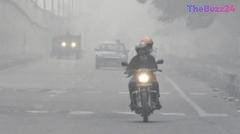
Delhi Faces Familiar Winter Crisis as Toxic Smog Returns Despite New Action Plans
As winter settles over the Indian capital, residents are once again bracing themselves for months of severe air pollution. The arrival of colder temperatures and calmer winds traps hazardous pollutants near the ground, turning the air into a thick, grey haze accompanied by a familiar smoky odor. For many families, preparing for the season now involves stocking up on air purifiers, sealing windows, and donning masks before stepping outside.
In an effort to curb the annual crisis, the local government rolled out its comprehensive Winter Action Plan months ahead of schedule, spanning from November through February. The initiative introduces temporary bans on dust-generating construction and demolition activities, restricts older commercial vehicles from entering the city, and encourages remote work arrangements to reduce traffic congestion. Additionally, multi-tiered emergency protocols have been activated, which limit the use of diesel generators and prohibit the burning of coal and firewood as air quality deteriorates.
Despite these proactive policy measures, environmental experts emphasize that long-term success relies heavily on strict enforcement and regional cooperation rather than isolated seasonal interventions. Pollution in the capital is exacerbated by cross-border agricultural residue burning, industrial emissions, and secondary pollutants formed when various gases react in the atmosphere. Because pollutants easily drift across state boundaries, localized restrictions alone are insufficient to resolve the broader ecological challenge.
Meanwhile, the heavy smog continues to take a severe toll on public health, with local Air Quality Index readings frequently soaring into hazardous categories. Medical professionals warn that prolonged exposure to such high concentrations of fine particulate matter can severely impact respiratory and cardiovascular health, potentially reducing overall life expectancy. While policy debates and enforcement hurdles persist, millions of residents remain bound to the city by employment and education, left with little choice but to adapt to the hazardous seasonal reality.
Key Takeaways
- Delhi's winter air quality sharply deteriorates due to trapped pollutants, crop stubble burning, and vehicular emissions.
- The government introduced an early Winter Action Plan featuring construction bans, vehicle restrictions, and work-from-home guidelines.
- Experts warn that seasonal policies alone are inadequate without strict enforcement and cross-state collaboration to target all emission sources.
Editor’s Analysis & Impact
The recurring air pollution crisis in northern India highlights the deep-seated challenges of balancing rapid urbanization, industrial growth, and public health. While early government intervention marks a positive shift from reactive firefighting to structured planning, the economic and social costs of enforcement remain high. Satellite towns and daily commuters face significant disruptions, while local healthcare systems shoulder the burden of rising respiratory illnesses. Moving forward, sustainable mitigation will require cross-sectoral accountability—spanning power generation, transport, and agriculture—backed by robust inter-state cooperation. Without systemic, long-term technological and regulatory overhauls, the region risks remaining locked in a perpetual cycle of seasonal environmental emergencies.
Frequently Asked Questions
Q: Why does air pollution peak in Delhi during the winter months?
A: Winter weather brings lower temperatures and slower winds, which trap pollutants close to the ground. This is compounded by local vehicular and industrial emissions, construction dust, and the seasonal burning of crop residue in neighboring states.
Q: What measures are included in the government's Winter Action Plan?
A: The plan includes temporary bans on dust-heavy construction work, restrictions on older polluting vehicles entering the city, promotion of public transit, and encouragement for offices to implement work-from-home policies and staggered timings.
Q: How does toxic air affect residents' health?
A: High levels of fine particulate matter (PM2.5) can penetrate deep into the lungs and enter the bloodstream, causing immediate throat irritation, coughing, and breathlessness, while significantly worsening chronic heart and lung conditions over time.
AI Disclosure: This article is based on verified data and official reports. Our Team and AI have cross-referenced every financial detail with primary sources to ensure total accuracy.
More from this Category