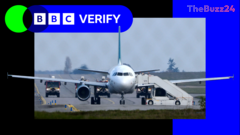
European Airspace Shaken by Wave of Malicious Bomb Hoaxes Targeting Multiple Flights
A coordinated wave of malicious bomb threats has targeted over 20 commercial aircraft operating across European airspace, sparking security concerns and prompting official investigations. Aviation authorities and government officials have classified the incidents as coordinated hoaxes designed to disrupt regional travel and test emergency response protocols.
Security analysts and aviation experts have been closely examining communication logs between flight decks and air traffic control centers to understand how these threats are handled in real time. When a flight receives a potential security alert, strict protocol dictates immediate coordination with ground authorities, emergency landing preparations, and thorough security sweeps upon arrival.
While multiple flights faced disruptions and mandatory security checks, thorough investigations by law enforcement agencies have thus far confirmed that the threats are unfounded hoaxes. Authorities across affected nations are collaborating to trace the origin of the malicious messages and enhance protective measures for European aviation infrastructure.
Key Takeaways
- Over 20 commercial aircraft across Europe were targeted by coordinated bomb threats.
- Government officials and aviation authorities have confirmed the incidents are malicious hoaxes.
- Strict emergency protocols were successfully implemented, ensuring passenger safety despite the disruptions.
Editor’s Analysis & Impact
The recent surge of bomb hoaxes targeting European aviation highlights vulnerabilities in the communication networks connecting flight operations and air traffic control. While these incidents have proven to be false alarms, they impose significant economic costs, cause severe travel delays, and strain emergency response resources across multiple jurisdictions. The broader implications point toward an urgent need for enhanced cybersecurity frameworks and standardized international protocols to verify and trace communications within the aviation sector. Moving forward, intelligence-sharing among European nations will be critical in identifying the perpetrators and deterring similar disruptions that undermine public confidence in regional travel safety.
Frequently Asked Questions
Q: How many aircraft were affected by the bomb threats?
A: More than 20 aircraft operating across European airspace were targeted during the recent wave of security alerts.
Q: Were any of the bomb threats determined to be legitimate?
A: No, thorough investigations and security sweeps confirmed that all the threats were malicious hoaxes.
Q: What happens when a flight receives a bomb threat?
A: Crews immediately follow established aviation security protocols, communicating with air traffic control, preparing for priority landings, and conducting security sweeps upon arrival.
AI Disclosure: This article is based on verified data and official reports. Our Team and AI have cross-referenced every financial detail with primary sources to ensure total accuracy.
More from this Category